Films
1 film
About Madame Davesnes
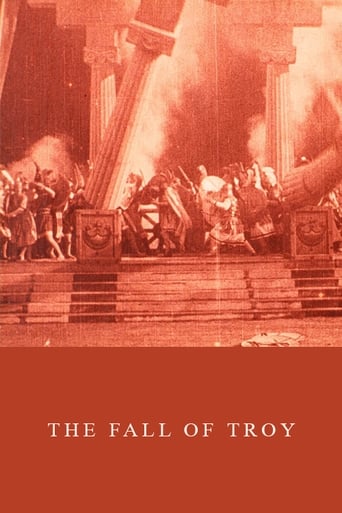
Actress active during the silent film era, best known for her appearance in the 1911 Italian epic 'The Fall of Troy.' She was part of the cast assembled by director Giovanni Pastrone for this ambitious production, which was elaborate and expensive films of its time. Like many performers from this early period of cinema, her career appears to have been brief, with film records showing only her participation in this 1911 production. The film itself was for its scale, featuring massive sets, thousands of extras, and sophisticated special effects for the era. Madame Davesnes would have been among the international cast that Pastrone assembled for this Italian production, which sought to bring classical literature to the screen with unprecedented spectacle. Her specific role in the film is not well documented in surviving records, which is common for supporting actors from this period. Her career represents the transient nature of early film stardom, where many performers appeared in significant productions but were quickly forgotten as the film industry evolved.
The Craft
Milestones
- Appeared in Giovanni Pastrone's epic 'The Fall of Troy' (1911)
Best Known For
Iconic Roles
Must-See Films
Working Relationships
Worked Often With
Studios
Why They Matter
Impact on Culture
Madame Davesnes' contribution to cinema history, while modest, is part of the broader story of early European film production. Her appearance in 'The Fall of Troy' connects her to a significant milestone in cinematic history - the development of the epic film genre. The film itself demonstrated how cinema could adapt classical literature with unprecedented visual spectacle, influencing subsequent epic productions worldwide. Though her individual contribution may be lost to history, she represents the countless actors who participated in these groundbreaking early films that helped establish cinema as a serious art form.
Lasting Legacy
Madame Davesnes' legacy is primarily tied to her participation in one of early cinema's most ambitious productions. While she did not achieve lasting fame, her work in 'The Fall of Troy' places her within the historical context of filmmakers and actors who helped establish the language of cinema. The film itself has been studied by film historians for its technical innovations and influence on the epic genre, making all contributors to the production part of cinema's foundational history.
Who They Inspired
As an obscure figure from early cinema, Madame Davesnes did not have a documented influence on subsequent performers or filmmakers. However, like all actors who worked on films, she contributed to the development of film acting techniques during the transition from theatrical to cinematic performance styles in the silent era.
Off Screen
Very little is known about Madame Davesnes' personal life, which is typical for actors from the earliest days of cinema who did not achieve lasting fame. Like many performers of her era, she appears to have had a brief career in the rapidly evolving film industry of the 1910s.
Did You Know?
- 'The Fall of Troy' (1911) was
- The film featured over 2,000 extras in the battle sequences
- Director Giovanni Pastrone would later direct the even more ambitious 'Cabiria' (1914)
- Early Italian epics like 'The Fall of Troy' helped establish Italy as a major film-producing nation before World War I
- The film was based on Homer's Iliad and Virgil's Aeneid
- Many actors from this period used stage names, making identification difficult for historians
- Silent film actors often came from theatrical backgrounds, adapting their performance styles for the new medium
- Early film production was international, with actors frequently working across national borders
- Most actors from this era have been lost to history due to incomplete records and the perishable nature of early film stock
Frequently Asked Questions
Who was Madame Davesnes?
Screen credits include the 1911 Italian epic 'The Fall of Troy.' Very little is known about her beyond this single film credit, which was common for many actors from this early period of cinema history.
What films is Madame Davesnes best known for?
Titles linked here include The Fall of Troy (1911).
When was Madame Davesnes born and when did she die?
The birth and death dates of Madame Davesnes are unknown, which is typical for many obscure actors from the earliest days of cinema. Detailed biographical information was rarely preserved for supporting performers of this era.
What awards did Madame Davesnes win?
Madame Davesnes did not receive any documented awards or nominations. The formal award systems for cinema, such as the Academy Awards, would not be established until many years after her brief career.
What was Madame Davesnes' acting style?
No specific information about Madame Davesnes' acting style has survived. Actors in early silent films typically used exaggerated gestures and expressions adapted from theatrical traditions, as the medium was still developing its own performance techniques.