Films
1 film
About Emilio Gallo
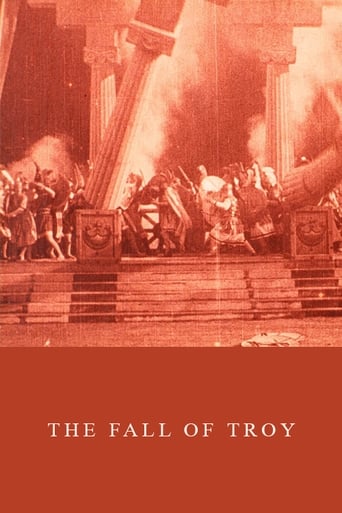
Emilio Gallo is credited on a single production — The Fall of Troy (1911). Specifically active in the year 1911. His career was notably brief but significant as he participated in one of early Italian cinema's most ambitious productions. Gallo was part of the cast of 'The Fall of Troy' (1911), an epic silent film directed by Giovanni Pastrone and Luigi Romano Borgnetto, which was one of the earliest examples of large-scale historical epics in cinema history. Like many actors of this period, Gallo likely came from a theatrical background, transitioning from stage to the new medium of film as cinema gained popularity in Italy. His appearance in this production places him among the early pioneers of Italian film acting during what would later be recognized as the golden age of Italian silent cinema. Unfortunately, detailed records of his life and career are scarce, which was common for many supporting actors of this era who were overshadowed by the growing star system.
The Craft
On Screen
Like most actors of the early silent era, Gallo likely employed theatrical, exaggerated gestures and facial expressions to convey emotion without dialogue, typical of the transitional period between stage acting and the emerging film acting techniques of the time
Milestones
- Appeared in 'The Fall of Troy' (1911), one of early Italian cinema's most ambitious epic productions
- Participated in the era of Italian film when the country was establishing itself as a major cinematic force
Best Known For
Iconic Roles
Must-See Films
Working Relationships
Worked Often With
Studios
Why They Matter
Impact on Culture
Emilio Gallo represents the countless anonymous actors who contributed to the birth of cinema during its formative years. His participation in 'The Fall of Troy' places him within the context of early Italian cinema's ambition to create epic historical narratives that would influence global filmmaking. Though his individual contribution may seem minor, he was part of a collective effort that helped establish Italy as a dominant force in early international cinema, particularly in the genre of historical epics that would later influence filmmakers worldwide.
Lasting Legacy
While Emilio Gallo's legacy as an individual actor is largely lost to history, his work survives as part of the broader legacy of early Italian cinema. 'The Fall of Troy' remains an important artifact of film history, and Gallo's contribution, however small, is preserved within this work. His career exemplifies the transient nature of early film acting, where many performers participated in groundbreaking productions without achieving lasting fame or recognition.
Who They Inspired
As a minor actor from the earliest days of cinema, Emilio Gallo's direct influence on subsequent performers is difficult to trace. However, his participation in early epic productions contributed to the development of film acting techniques that would evolve throughout the silent era. The collective work of actors like Gallo helped establish the foundation for more sophisticated screen acting that would emerge in later years.
Off Screen
Very little is documented about Emilio Gallo's personal life, which was typical for many supporting actors in early cinema who were not part of the emerging star system. Like many actors of his era, he may have had a background in theater before transitioning to film.
Did You Know?
- The Fall of Troy (1911) was
- The film was produced by Itala Film, one of Italy's most important early production companies
- Early Italian epics like 'The Fall of Troy' helped establish Italy as a major force in international cinema before World War I
- The film's running time was approximately 40 minutes, which was considered substantial for the period
- Many actors in early Italian films, like Gallo, were stage actors transitioning to the new medium of cinema
- The fall of Troy was a popular subject in early cinema due to its dramatic potential and spectacular visual possibilities
- Very few complete prints of early Italian films from this period survive today
- Actors in early cinema often performed multiple roles within the same film due to limited cast sizes
Frequently Asked Questions
Who was Emilio Gallo?
Italian with credits in this catalog. His career was brief, spanning only the year 1911, placing him among the actors of early Italian cinema.
What films is Emilio Gallo best known for?
Titles linked here include The Fall of Troy (1911).
When was Emilio Gallo born and when did he die?
Unfortunately, specific birth and death dates for Emilio Gallo are not documented in historical records, which was common for many supporting actors in early cinema who were not part of the star system.
What awards did Emilio Gallo win?
Emilio Gallo did not receive any formal awards or recognition, as the award systems for cinema had not yet been established in 1911. The Academy Awards would not be created until 1929, nearly two decades after his brief career.
What was Emilio Gallo's acting style?
Like most actors of the early silent era, Gallo likely employed theatrical and exaggerated acting techniques with broad gestures and expressive facial features to convey emotion without dialogue, typical of the transitional period between stage and screen acting.