Films
2 films
About Liu Jiang
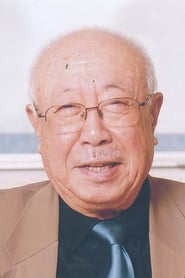
Chinese actor active during the late 1950s and mid-1960s, a period that coincided with significant developments in Chinese cinema. Liu appears in several notable war films that reflected the political and social themes prevalent in Chinese cinema of that era. His most recognized performances came in propaganda-style war films that celebrated Chinese military achievements and revolutionary spirit. Liu Jiang's career, though relatively brief, coincided with the pre-Cultural Revolution period when Chinese cinema was heavily influenced by socialist realist principles. His roles typically embodied the heroic ideals promoted by the Chinese film industry of the time, often portraying soldiers or revolutionary figures. Liu Jiang's work in films like 'Tunnel Warfare' contributed to the genre of Chinese war cinema that emphasized collective heroism and military strategy. His filmography, though limited, represents an important chapter in the history of Chinese cinema during the early People's Republic era.
The Craft
On Screen
Liu Jiang's acting style was characteristic of the socialist realist approach prevalent in Chinese cinema during his active period. His performances emphasized collective heroism and ideological commitment rather than individual psychological complexity. He portrayed characters with a straightforward, earnest demeanor that reflected the revolutionary ideals promoted in Chinese cinema of the era. His technique was more declarative than subtle, focusing on embodying the noble qualities of revolutionary heroes rather than exploring nuanced human emotions. This style was typical of actors working in state-sponsored Chinese films during the 1950s and 1960s.
Milestones
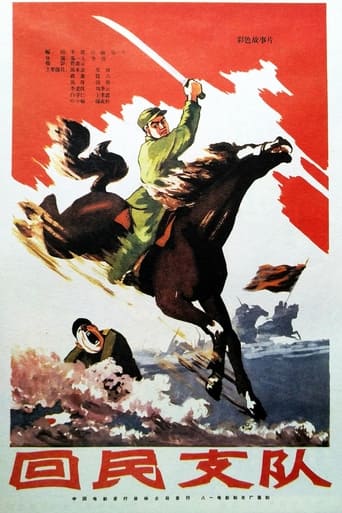
- Starred in 'Ethnic Hui Detachment' (1959)
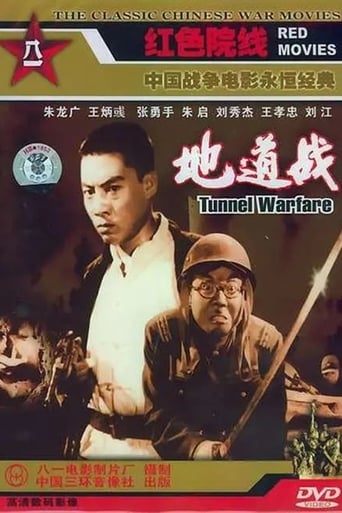
- Appeared in 'Tunnel Warfare' (1965)
- Contributed to Chinese war cinema genre
- Worked during pre-Cultural Revolution Chinese cinema era
Best Known For
Iconic Roles
Must-See Films
Working Relationships
Studios
Why They Matter
Impact on Culture
Liu Jiang contributed to the development of Chinese war cinema during a crucial period in the country's film history. His work in films like 'Tunnel Warfare' helped establish conventions for depicting military conflicts and revolutionary heroism in Chinese cinema. These films served both as entertainment and as tools for political education, reinforcing socialist values and military pride among Chinese audiences. The actor's participation in these productions contributed to the visual and narrative language of Chinese propaganda cinema, which influenced generations of filmmakers in China.
Lasting Legacy
Liu Jiang's legacy is preserved through his contributions to classic Chinese war films that continue to be studied for their historical and cultural significance. His work represents an important chapter in the history of Chinese cinema, particularly the genre of revolutionary war films that dominated the industry during the 1950s and 1960s. While not widely known internationally, his films remain significant within Chinese film history as examples of the socialist realist style and its role in promoting revolutionary ideology. The actor's performances in 'Ethnic Hui Detachment' and 'Tunnel Warfare' continue to be referenced in discussions of Chinese cinema's development during the early People's Republic period.
Who They Inspired
As an actor working within the constraints and opportunities of state-sponsored Chinese cinema, Liu Jiang's influence was primarily through his embodiment of the revolutionary hero archetype. His performances helped establish the visual and behavioral templates for portraying soldiers and revolutionary fighters in Chinese cinema. This influence extended to subsequent generations of Chinese actors who worked in similar genres, particularly during periods when ideological content remained central to Chinese filmmaking.
Off Screen
Very limited information is available about Liu Jiang's personal life, which is common for many Chinese actors from this period who worked primarily in state-sponsored productions. Personal details were often not emphasized in film credits or public documentation during this era of Chinese cinema.
Did You Know?
- 'Tunnel Warfare' (1965) became
- The films Liu Jiang appeared in were typical of the revolutionary war genre popular in 1960s Chinese cinema
- Chinese actors from this period often received little individual recognition, with emphasis placed on collective achievement
- The 1959-1965 period was a relatively stable time for Chinese cinema before the disruptions of the Cultural Revolution
- War films like those Liu Jiang appeared in often served both entertainment and educational purposes in Chinese society
- Many Chinese actors from this era were trained in state-sponsored acting schools
- The films Liu Jiang worked on were likely produced by major state studios like August First Film Studio
Frequently Asked Questions
Who was Liu Jiang?
Screen credits include notable war films including 'Ethnic Hui Detachment' (1959) and 'Tunnel Warfare' (1965). His work contributed to the genre of revolutionary Chinese cinema during the early People's Republic era.
What films is Liu Jiang best known for?
Titles linked here include Ethnic Hui Detachment (1959), Tunnel Warfare (1965).
When was Liu Jiang active as an actor?
Liu Jiang's known acting active years covered from 1959 to 1965, coinciding with an important period in Chinese cinema before the Cultural Revolution disrupted the film industry.
What was Liu Jiang's acting style?
Liu Jiang's acting style reflected the socialist realist approach common in Chinese cinema of his era, emphasizing collective heroism, ideological commitment, and the portrayal of revolutionary ideals through earnest, declarative performances rather than psychological nuance.
What is Liu Jiang's significance in Chinese cinema history?
Liu Jiang represents the generation of Chinese actors who worked in state-sponsored war films during the early People's Republic period. His contributions helped establish conventions for depicting revolutionary heroism and military themes that influenced subsequent Chinese cinema.