Films
1 film
About Lauro Borges
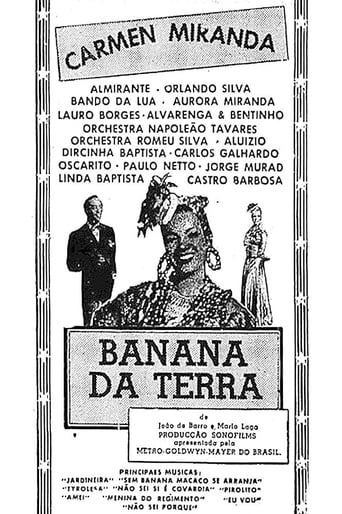
Lauro Borges appears once in this catalog: Banana-da-Terra (1939). His known filmography consists primarily of his appearance in the 1939 musical comedy 'Banana-da-Terra,' which was a significant production in Brazilian film history. The film marked an important milestone in Brazilian cinema as it featured Carmen Miranda in her first major film role before her international success. Borges' career appears to have been brief, with records only showing his activity in 1939, suggesting he may have been a character actor or had a limited role in the film industry. His participation in 'Banana-da-Terra' places him within the context of Brazil's burgeoning sound film era, when the country was developing its own cinematic identity separate from Hollywood influences. Unfortunately, detailed records about his life and career beyond this single film appearance are scarce, which was common for many supporting actors of this period in Brazilian cinema.
The Craft
Milestones
- Appeared in 'Banana-da-Terra' (1939)
- Participated in early Brazilian sound cinema
Best Known For
Must-See Films
Working Relationships
Studios
Why They Matter
Impact on Culture
Lauro Borges represents the many supporting actors who contributed to the development of Brazilian cinema during its formative years. While his individual impact may be difficult to trace due to limited documentation, his participation in 'Banana-da-Terra' connects him to a pivotal moment in Brazilian film history. The film itself was significant for showcasing Brazilian culture and music during a period when the country was establishing its cinematic voice. Actors like Borges, even in minor roles, were part of the foundation that allowed Brazilian cinema to flourish and eventually gain international recognition.
Lasting Legacy
Lauro Borges' legacy is primarily preserved through his appearance in 'Banana-da-Terra,' a film that has become historically significant as Carmen Miranda's breakthrough role. While he may not have achieved lasting fame individually, his contribution to this important Brazilian film ensures his place in the broader narrative of Latin American cinema history. The film serves as a time capsule of Brazilian entertainment in the late 1930s, and all participants, including Borges, are part of this cultural heritage.
Who They Inspired
Due to the limited documentation of his career and apparent brief time in the film industry, Lauro Borges' direct influence on other actors or filmmakers cannot be clearly established. However, like all actors who participated in early Brazilian cinema, he contributed to the professionalization of the industry and helped create opportunities for future generations of Brazilian performers.
Off Screen
Very little is documented about Lauro Borges' personal life, which was common for many supporting actors in Brazilian cinema during this period. His brief film career suggests he may have pursued other professions outside of the entertainment industry.
Did You Know?
- 'Banana-da-Terra' was one of the first Brazilian films to achieve international distribution
- The film featured Carmen Miranda before she became a Hollywood star
- 1939 was a significant year for Brazilian cinema's transition to sound
- The film's title refers to a Brazilian expression meaning something of little value
- Many supporting actors from this era of Brazilian cinema have incomplete biographical records
- The film was produced by Cinédia, one of Brazil's major early film studios
Frequently Asked Questions
Who was Lauro Borges?
Brazilian with credits in this catalog.' He was part of the early generation of actors in Brazilian sound cinema during a pivotal period in the country's film industry development.
What films is Lauro Borges best known for?
Titles linked here include Banana-da-Terra (1939).
When was Lauro Borges born and when did he die?
Unfortunately, specific birth and death dates for Lauro Borges are not available in documented records, which is common for many supporting actors from early Brazilian cinema.
What awards did Lauro Borges win?
There are no documented awards or nominations for Lauro Borges, which was typical for many supporting actors in Brazilian cinema during the 1930s when formal award systems were not yet established.
What was Lauro Borges' acting style?
Due to limited documentation of his work beyond 'Banana-da-Terra' and the scarcity of detailed reviews from the period, specific information about Lauro Borges' acting style is not available in historical records.