David Holt
Actor
Born: August 14, 1927 in Jacksonville, Florida, USA Died: November 15, 2003 Active: 1934-1953
Films
1 film
About David Holt
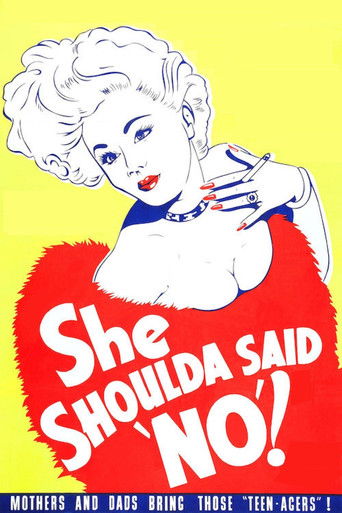
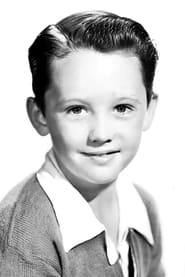
American child actor who rose to prominence during the Golden Age of Hollywood, beginning his career in the early 1930s as a model before transitioning to film. He was discovered by a talent scout while modeling for children's clothing and quickly signed with MGM, appearing in numerous prestigious productions including 'The Great Ziegfeld' (1936) and 'The Story of Vernon and Irene Castle' (1939). Holt was famously considered for the role of Beau Wilkes in 'Gone with the Wind' (1939) but lost the part, marking a significant turning point in his career trajectory. As he transitioned from child roles to teenage and young adult parts, he found opportunities diminishing, leading him to appear in lower-budget productions and exploitation films like 'Wild Weed' (1949). His career extended into the early 1950s, after which he largely retired from acting and pursued other business ventures including real estate. Holt's journey from major studio contract player to exploitation film actor reflected the challenging transition many child actors faced in Hollywood. He spent his later years away from the entertainment industry, occasionally participating in film nostalgia events before his passing in 2003.
The Craft
On Screen
As a child actor, Holt was known for his natural, expressive performances that avoided the overly theatrical style common among many child stars of the era. He had a wholesome, all-American appearance that made him ideal for playing the son or younger brother of lead characters. His acting was characterized by genuine emotional depth and the ability to convey complex feelings beyond his years, which made him particularly effective in dramatic roles. In his later exploitation film work, he adapted a more mature, world-weary persona that reflected the changing nature of his career.
Milestones
- Child actor contract with MGM in the 1930s
- Appeared in Academy Award-winning 'The Great Ziegfeld' (1936)
- Considered for major role in 'Gone with the Wind' (1939)
- Starred opposite Fred Astaire and Ginger Rogers in 'The Story of Vernon and Irene Castle'
- Transitioned to exploitation films in late 1940s including 'Wild Weed' (1949)
Best Known For
Iconic Roles
Must-See Films
Working Relationships
Worked Often With
Studios
Why They Matter
Impact on Culture
David Holt represents the archetype of the Hollywood child actor who struggled to maintain success into adulthood. His career trajectory from major studio productions to exploitation films illustrates the challenges faced by many young performers in the studio system. His near-casting in 'Gone with the Wind' has become a footnote in Hollywood history, often mentioned in discussions about famous casting decisions and alternate casting choices. Holt's story serves as a case study in the transition from the Golden Age of Hollywood to the post-war era, when the studio system began to crumble and many contract players found themselves without steady work.
Lasting Legacy
David Holt's legacy lies primarily in his contributions as a child actor during Hollywood's golden era, appearing in several films that have become classics. His performances in major productions like 'The Great Ziegfeld' have been preserved as part of Hollywood's cinematic heritage. While he never achieved the lasting fame of some of his contemporaries, his career serves as an important example of the experiences of child actors during the studio system era. His later work in exploitation films also documents an important, though less prestigious, genre of American cinema that flourished in the post-war period.
Who They Inspired
While David Holt did not have a major influence on subsequent generations of actors, his career path influenced how Hollywood and the public viewed the challenges of child stardom. His transition from prestigious studio films to exploitation films highlighted the precarious nature of acting careers, especially for those who began as children. His story has been referenced in film histories discussing the treatment of child actors and the evolution of Hollywood from the studio system to the independent film era.
Off Screen
David Holt was married twice during his lifetime. He married his first wife in the early 1950s, and after their divorce, he remarried later in life. After retiring from acting, he successfully transitioned into business, particularly in real estate, which became his primary career for several decades. He maintained a relatively private life away from Hollywood, though he occasionally participated in classic film conventions and nostalgia events. Holt spent his final years in California, where he passed away in 2003 at the age of 76.
Education
Attended professional schools for child actors while under contract to major studios
Family
- First wife (1950s-1960s)
- Second wife (1970s-2003)
Did You Know?
- Was discovered as a model for children's clothing before becoming an actor
- Was one of the final actors considered for the role of Beau Wilkes in 'Gone with the Wind'
- Appeared in over 30 films during his career
- Was under contract to three major studios during his career
- Served in the military during World War II
- His role in 'Wild Weed' was one of his last film appearances
- Worked as a real estate broker after leaving acting
- Appeared with many of Hollywood's biggest stars including Mickey Rooney and Judy Garland
- Was part of the MGM stable of child actors in the 1930s
- His active years covered the transition from silent films to talkies, though he primarily worked in sound films
Frequently Asked Questions
Who was David Holt?
American child with credits in this catalog.
What films is David Holt best known for?
Titles linked here include The Great Ziegfeld (1936), The Story of Vernon and Irene Castle (1939).
When was David Holt born and when did he die?
Born August 14, 1927; died November 15, 2003.
Was David Holt almost cast in 'Gone with the Wind'?
Yes, Holt was one of the final actors considered for the role of Beau Wilkes in 'Gone with the Wind' (1939), though he ultimately did not receive the part.
What was David Holt's acting style?
Holt was known for his natural, expressive performances as a child actor, avoiding overly theatrical mannerisms and conveying genuine emotional depth beyond his years.
Why did David Holt's career change in the 1940s?
Like many child actors, Holt struggled to transition to adult roles, leading him from major studio productions to smaller films and exploitation movies as opportunities diminished.
What did David Holt do after acting?
After retiring from acting in the early 1950s, Holt successfully transitioned to a career in real estate and business, remaining largely out of the public eye.