
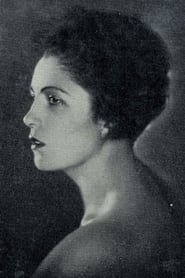
Carola Neher
Actor
- Born
- July 22, 1900, Munich, Bavaria, German Empire
- Died
- June 26, 1942
- Active
- 1923-1942
Films 1
About Carola Neher
Carola Neher was a German stage and screen actress born on July 22, 1900, in Munich, Germany, who became one of the notable performers of the late Weimar era. She is remembered in film history as a striking actress associated with the artistic ferment of German cinema and theatre in the 1920s, including her early screen appearance in The Mysteries of a Hairdresser's Shop (1923). Although her film career was not extensive, she achieved greater renown on the stage, where she worked with important dramatists and directors of her era and became identified with the socially conscious, politically engaged theatre of the period. Neher was also strongly connected to Bertolt Brecht's theatrical world, and her best-known role was as Polly Peachum in The Threepenny Opera, which cemented her reputation as a major interpreter of modern German drama. Her life was tragically shaped by the political upheavals of the 1930s; as a left-leaning artist, she eventually left Germany, lived in exile, and was later arrested in the Soviet Union during Stalin's purges. She died in Soviet custody on June 26, 1942, after imprisonment in a labor camp, a fate that has made her a symbol of the devastation inflicted on European intellectual and artistic life by totalitarian regimes. Today she is primarily remembered not only for her work in performance but also for the tragic historical circumstances that cut short a career of considerable promise.
More about Carola Neher
On screen
Neher was admired for a modern, intelligent, and emotionally precise style that suited the sharp-edged theatrical experiments of the Weimar period. Rather than relying on broad melodramatic gesture, she was associated with a cooler, more contemporary manner of performance that emphasized wit, clarity of line, and social realism. In Brechtian contexts, her work helped embody the distance, irony, and musicality central to that theatrical approach. On screen, her limited film work suggests a performer whose strengths lay in presence, intelligence, and stage-trained expressiveness rather than in a large silent-film catalogue.
In film history
Carola Neher occupies an important place in the cultural history of the Weimar Republic because she embodied the artistic experimentation, political urgency, and cosmopolitan sophistication of the era. Her association with Bertolt Brecht and The Threepenny Opera places her at the center of one of the most influential theatrical works of the 20th century, a production that reshaped modern acting, musical theatre, and political performance. Even though her screen filmography was limited, her name remains significant in classic cinema studies because it intersects with the broader history of German silent-era and early sound-era performance. Her fate in the Soviet Union also gave her life an enduring historical resonance, making her a figure remembered not only for artistry but for the human cost of dictatorship and exile.
Later reputation
Neher's legacy is strongest in theatre history, but she also retains a place in film history as part of the remarkable generation of German performers who bridged silent cinema, the modern stage, and the politically charged art of the Weimar years. She is especially remembered as one of the definitive Polly Peachums, a role that became inseparable from the legacy of The Threepenny Opera and Brechtian performance practice. Her life story has continued to attract attention because it illustrates both the brilliance and fragility of interwar European culture. In the broader history of classic cinema, she stands as a representative of artists whose screen careers were overshadowed by larger theatrical achievements and by the political catastrophes of the 1930s and 1940s.
Influence
Neher influenced later performers through her association with Brechtian acting, helping define a style that valued social awareness, critical distance, and musical precision over romantic illusion. Her work in the Weimar environment contributed to the development of modern German performance traditions that later resonated in theatre, opera, and politically conscious film. While she is not known as a major screen star whose performances were widely imitated in cinema, her role in shaping modern stage interpretation had lasting effects on actors working in socially engaged repertory. Her tragic biography also influenced the historical memory of artists displaced by fascism and Stalinism, making her an emblematic figure in studies of exile and repression.
Off screen
Carola Neher's personal life was closely tied to the cultural and political world of interwar Germany. She was married to the poet and writer Klabund (Alfred Henschke) from 1923 until his death in 1928, a relationship that linked her to literary circles of the period. She later married the writer Anatoly Bisk, with whom she lived during her exile years after leaving Germany. Neher's political sympathies and associations placed her at risk after the Nazi seizure of power, leading to her departure from Germany and eventual displacement in the Soviet Union. Her life ended in tragedy when she was arrested during Stalin's purges, imprisoned, and died in captivity; her family history is therefore inseparable from the political violence that engulfed Europe in the first half of the 20th century.
Education
Formal educational details are not consistently documented in available sources; she appears to have entered acting through theatre rather than through a widely recorded academic or conservatory path.
Credits
- Early screen appearance in The Mysteries of a Hairdresser's Shop (1923)
- Major stage success in Weimar Germany and Berlin theatre circles
- Acclaimed portrayal of Polly Peachum in Bertolt Brecht's The Threepenny Opera
- Association with politically engaged modernist theatre of the late 1920s and early 1930s
- Exile from Germany after the Nazi rise to power
- Victim of Stalinist repression in the Soviet Union
Roles
- Polly Peachum in The Threepenny Opera
- Early Weimar-era stage roles in politically engaged repertory
- Screen appearance in The Mysteries of a Hairdresser's Shop
Films
Collaborators
- Bertolt Brecht
- Klabund (Alfred Henschke)
- Other figures in the Weimar theatre scene
Studios
- Associated with German Weimar-era theatre and film production circles
Family
- Klabund (Alfred Henschke) (1923-1928)
- Anatoly Bisk (dates not firmly established in available sources)
Notes
- She was born in Munich but became most closely associated with Berlin's Weimar-era theatre scene.
- Her filmography is very small, which is why she is remembered more as a stage actress than a cinema star.
- She married the poet Klabund, one of the literary figures of the German modernist era.
- Her best-known role was Polly Peachum in The Threepenny Opera, one of the landmark works of modern theatre.
- She was arrested in the Soviet Union during Stalin's purges and died in custody, a fate shared by many exiled artists and intellectuals.
- Her career bridges silent-era film and the politically charged performance culture of the late Weimar Republic.
- She is often discussed in the context of Brechtian theatre rather than mainstream film history.
- Her life story is frequently cited as an example of how 20th-century political turmoil destroyed artistic careers.
Questions
Who was Carola Neher?
Carola Neher was a German stage and screen actress born in 1900 who became one of the notable performers of the Weimar Republic. She is best remembered for her theatre work, especially her celebrated portrayal of Polly Peachum in The Threepenny Opera, and for her tragic fate after exile and imprisonment in the Soviet Union.
What films is Carola Neher best known for?
Her screen work was limited, and the principal film associated with her in classic cinema records is The Mysteries of a Hairdresser's Shop (1923). Her reputation rests far more on her stage career than on a large body of film appearances.
When was Carola Neher born and when did she die?
She was born on July 22, 1900, in Munich, Bavaria, German Empire. She died on June 26, 1942, while imprisoned in the Soviet Union.
What awards did Carola Neher win?
No major formal awards are widely documented in the surviving record of her career. Her recognition came primarily through critical acclaim, major theatrical roles, and her lasting historical importance rather than through recorded prize wins.
What was Carola Neher's acting style?
Neher was known for a modern, intelligent, and socially aware performance style that fit the experimental theatre of the Weimar era. Her work, especially in Brechtian contexts, emphasized clarity, irony, and expressive control rather than broad melodrama.
What is Carola Neher's legacy in film history?
Although her filmography was small, she remains important because she belonged to the culturally vital generation of German performers who shaped modern European theatre and early cinema. Her life also stands as a powerful historical reminder of how political persecution destroyed many artists of the 20th century.