James Bamforth
Director
Born: 1847 in Holmfirth, Yorkshire, England Died: 1911 Active: 1900-1900
Films
1 film
About James Bamforth
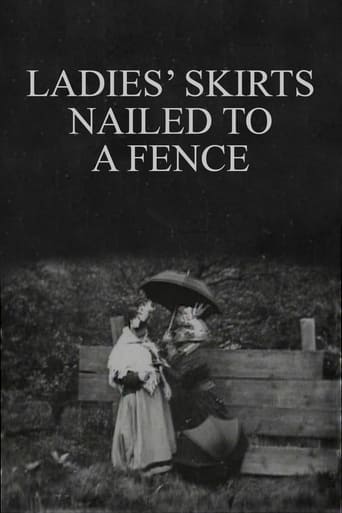
James Bamforth (1847-1911) was an English filmmaker and photographer who founded the Bamforth company in Holmfirth, Yorkshire. Originally establishing himself as a successful photographer in the 1870s, Bamforth expanded into producing comic postcards that became immensely popular throughout Britain. With the advent of cinema in the late 1890s, he recognized the commercial potential of moving pictures and began producing short films, often comedic in nature, that paralleled the style of his popular postcards. His most famous work, 'Ladies' Skirts Nailed to a Fence' (1900), exemplified the risqué humor and slapstick comedy that characterized early British cinema. Bamforth's company was among the first in Britain to systematically produce films for commercial distribution, making him a crucial figure in the development of the British film industry. Though his active period in film was brief (1900-1900), his influence on early British comedy cinema was significant, and his company continued producing films after his death until the 1920s.
The Craft
Behind the Camera
Bamforth's directing style was characterized by simple, direct comedic situations often involving risqué humor and slapstick elements. His films typically featured single setups with minimal camera movement, focusing on visual gags that could be easily understood by audiences of the silent era. His approach mirrored the straightforward humor of his popular postcards, emphasizing immediate visual impact and broad comedy over narrative complexity.
Milestones
- Founded Bamforth & Company Ltd. In 1870
- Pioneered comic postcard industry in Britain
- Transitioned from photography to filmmaking in 1900
- Directed 'Ladies' Skirts Nailed to a Fence' (1900)
- Established one of Britain's first film production companies
Best Known For
Must-See Films
Accolades
Special Recognition
- Recognized as a pioneer of British cinema by film historians
- Holmfirth Film Festival honors his contributions to local cinema history
Working Relationships
Worked Often With
Studios
Why They Matter
Impact on Culture
James Bamforth played a crucial role in establishing British cinema's comedic tradition, influencing generations of British comedy filmmakers. His work helped establish Yorkshire as an early center of British film production, predating the later dominance of London studios. Bamforth's transition from still photography to moving pictures exemplified the technological adaptation that defined early cinema pioneers. His films, though simple by modern standards, captured the Victorian and Edwardian sense of humor and provided entertainment that helped establish cinema as a popular art form in Britain.
Lasting Legacy
Bamforth's legacy lies in his role as one of Britain's first film producers and his contribution to establishing British comedy cinema. The company he founded continued producing films well into the 1920s, influencing the development of British popular culture. His work is studied by film historians as an example of early British cinema's commercial and artistic development. The Holmfirth area's continued association with film production, including later television productions like 'Last of the Summer Wine,' traces its roots to Bamforth's efforts.
Who They Inspired
Bamforth influenced early British filmmakers by demonstrating the commercial viability of short comedy films. His success in combining risqué humor with visual comedy established a template that later British comedy filmmakers would follow. His business model of producing short, marketable films influenced the development of the British film industry's approach to commercial production. The postcard-to-film transition he pioneered showed how existing entertainment businesses could adapt to new media technologies.
Off Screen
James Bamforth was born and raised in Holmfirth, Yorkshire, where he built his business empire. He married and had children who continued the family business after his death. Bamforth was known as an astute businessman who successfully adapted to new technologies, moving from photography to postcards and then to film. His entrepreneurial spirit and artistic vision helped establish Holmfirth as an early center of British film production.
Education
Limited formal education typical of the Victorian era; largely self-taught in photography and business
Family
- Unknown (1847-1911)
Did You Know?
- Bamforth started as a photographer before moving into postcards and then films
- His company was based in Holmfirth, Yorkshire, not London like most early film companies
- 'Ladies' Skirts Nailed to a Fence' was considered risqué for its time
- The Bamforth company continued producing films until the 1920s after his death
- His postcards were as famous as his films in Victorian Britain
- He was one of the first to recognize the commercial potential of moving pictures in Britain
- His films were typically very short, often under a minute
- The company also produced magic lantern slides before moving into film
- Bamforth's work represents some of the earliest examples of British comedy cinema
- His films often featured local Yorkshire people as performers
In Their Own Words
No documented quotes exist from James Bamforth, typical of early cinema pioneers who left few written records
Frequently Asked Questions
Who was James Bamforth?
British filmmaker and photographer who founded Bamforth & Company in Holmfirth, Yorkshire. He was one of Britain's first film producers, creating short comedy films in 1900, most notably 'Ladies' Skirts Nailed to a Fence.' He began as a photographer before expanding into comic postcards and then early cinema.
What films is James Bamforth best known for?
Titles linked here include Ladies' Skirts Nailed to a Fence (1900), The Biter Bit (1900).
When was James Bamforth born and when did he die?
Born 1847; died 1911.
What awards did James Bamforth win?
James Bamforth did not receive formal awards during his lifetime, as the film industry's award system had not yet been established in 1900. However, he is recognized posthumously by film historians as a pioneer of British cinema, and his contributions are acknowledged in film history studies and by local organizations in Holmfirth.
What was James Bamforth's directing style?
Bamforth's directing style was characterized by simple, direct comedic situations with minimal camera movement and single setups. His films focused on visual gags and slapstick humor that could be easily understood by silent film audiences. His approach emphasized immediate visual impact and broad comedy, reflecting the straightforward humor of his popular postcards.
How did James Bamforth influence British cinema?
Bamforth influenced British cinema by establishing one of the country's first film production companies outside London and demonstrating the commercial viability of short comedy films. His work helped establish British cinema's comedy tradition and showed how existing entertainment businesses could adapt to new media. His company continued producing films for decades, influencing the development of British popular culture.