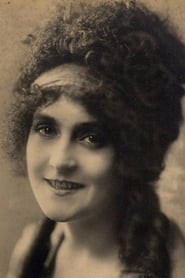
Fabienne Fabrèges
Actor
- Active
- 1909-1909
Films 1
About Fabienne Fabrèges
Fabienne Fabre8ges was a French screen actress associated with the earliest years of narrative cinema, active during the silent era. Her known film work is extremely limited in surviving records, but she is documented in the 1909 screen adaptation of Molie8re, placing her among the performers working in French cinema at the moment when short literary and theatrical adaptations were a major part of film production. Because so little biographical documentation has survived, details about her early life, training, and later career remain obscure. She appears to have been part of the generation of stage and screen performers who helped establish the possibilities of acting for the camera before film acting developed standardized conventions. Her surviving credit suggests participation in the culturally prestigious side of early French film, where adaptations of canonical authors were used to lend artistic legitimacy to the new medium. No reliable information has been found to confirm additional screen roles, personal details, or a subsequent public career. As a result, Fabienne Fabre8ges is chiefly remembered today as a documented name in the formative history of French silent cinema rather than as a widely chronicled star.
More about Fabienne Fabrèges
On screen
No detailed critical descriptions of her technique survive in standard film-reference sources. Based on the period and the kind of production in which she appeared, her performance would likely have relied on restrained but clearly legible silent-era gesture, facial expression, and stage-derived presence. Because there is no surviving critical commentary tied specifically to her work, any more precise description would be speculative.
In film history
Fabienne Fabre8ges's cultural importance lies less in a large surviving filmography than in what her documented credit reveals about the development of French silent cinema. Her appearance in a 1909 Molie8re adaptation places her within the early movement that brought respected literary and theatrical material to film, helping cinema gain cultural legitimacy among skeptical audiences. Performers like Fabre8ges were part of the transitional generation that bridged stage traditions and the emerging language of screen acting, even when their individual careers were not extensively documented. For modern historians, her name is valuable as evidence of the many artists whose work helped build early film culture but whose biographies were not preserved with the same care as later stars. Her legacy is therefore archival and historical: she stands as a representative figure of the anonymous or lightly documented contributors who made the silent-era film world possible.
Later reputation
Her lasting legacy is her presence in the historical record of early French cinema, especially in the context of literary adaptation and the prestige production culture of the late 1900s. Although she is not known to have become a major star or to have left a widely circulated body of work, her credit in Molie8re contributes to the reconstruction of silent-era casting networks and performance practices. Film historians and database users encounter names like hers as part of the essential but often under-credited workforce of early cinema. In that sense, her legacy is the preservation of a small but meaningful trace of the many performers who shaped film history without leaving extensive publicity material behind.
Influence
There is no documented evidence that Fabienne Fabre8ges directly mentored other actors or exerted a traceable personal influence on later performers. Her broader influence is indirect: as one of the early participants in French screen acting, she belongs to the cohort that helped establish accepted methods of performance for the camera. The work of such actors influenced the normalization of silent cinematic expression, particularly in film adaptations of established literary works. Her presence in the historical record therefore matters more as part of the collective evolution of acting style than as an individually documented influence.
Off screen
No reliable public information has been located concerning Fabienne Fabre8ges's private life, including family background, marriages, residence, or later activities. She does not appear to have left a substantial biographical footprint in the commonly cited film histories or reference databases available for early cinema personnel. As with many performers from the silent era, her personal history may have been lost, unindexed, or preserved only in archival sources that have not been widely digitized. Accordingly, any attempt to supply definitive personal details would be speculative.
Education
No verified information is available about her education or training. Given the period and her likely screen work in a literary adaptation, she may have had stage or dramatic training, but this cannot be confirmed from accessible records.
Credits
- Appeared in the 1909 silent film Molie8re, one of the documented screen credits associated with her name
- Worked in French cinema during the formative pre-feature era, when literary adaptation was a central prestige form
- Represents the early class of screen performers whose careers are preserved mainly through fragmentary filmographic records
Roles
- Role in Molie8re (1909)
Films
- Molie8re (1909)
Notes
- Fabienne Fabre8ges is chiefly documented for a single known screen credit rather than a long filmography.
- Her known film, Molie8re (1909), connects her to the early French tradition of adapting major literary figures for the screen.
- She worked during the period before film credit recordkeeping became standardized, which is one reason so little biographical information survives.
- Her surname with the accented e8 is often a clue that she was French, though detailed civil records are not readily available in widely used film references.
- Because there are no widely cited later credits, she is best regarded as an early silent-era performer whose career details have largely been lost to history.
- Early French film companies frequently used stage-trained performers for such adaptations, so her casting suggests proximity to theatrical performance traditions.
- Her surviving record is useful to historians studying the gap between documented star biographies and the many lesser-known contributors to early cinema.
Questions
Who was Fabienne Fabre8ges?
Fabienne Fabre8ges was a French silent-era actor known from early film records. Her surviving documentation is sparse, but she is associated with the 1909 film Molie8re. She is best understood as part of the pioneering generation of early French cinema performers.
What films is Fabienne Fabre8ges best known for?
She is best known for Molie8re (1909), which appears to be her primary surviving screen credit. No other reliably verified film titles are readily documented in standard accessible references.
When was Fabienne Fabre8ges born and when did she die?
Her birth and death dates are not currently verified in accessible film-reference sources. The historical record available for her is limited, so exact biographical dates and places cannot be stated confidently.
What awards did Fabienne Fabre8ges win?
No awards or formal honors are known to be associated with Fabienne Fabre8ges in the accessible record. This is not unusual for performers from the earliest years of cinema, when awards culture had not yet developed in the modern sense.
What was Fabienne Fabre8ges's acting style?
No contemporary critical description of her style survives in the sources available here. As a performer in a 1909 silent film, her work would have depended on expressive gesture, facial clarity, and stage-informed presence typical of early screen acting.
What is Fabienne Fabre8ges's legacy in film history?
Her legacy is historical rather than celebrity-based. She represents the many early cinema performers whose names survive in film credits even when their broader lives and careers were not fully recorded. That makes her a useful figure for scholars reconstructing the foundations of French silent cinema.