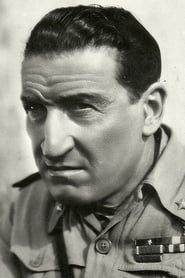
Carlo Ninchi
Actor
Born: June 21, 1907 in Bologna, Italy Died: October 27, 1974 Active: 1932-1974 Birth Name: Carlo Alberto Ninchi
Films
1 film
About Carlo Ninchi
Carlo Alberto Ninchi — prominent Italian character actor whose over four decades, from the early 1930s through the late 1960s. Born into a theatrical family, he made his film debut in 1932 and quickly established himself as a versatile performer in Italian cinema. Ninchi appeared in more than 100 films, often playing authoritative figures, military officers, and patriarchal roles with a commanding presence. He worked with many of Italy's most celebrated directors, including Alessandro Blasetti, Vittorio De Sica, and Federico Fellini. His career flourished during the Fascist era and continued successfully into post-war Italian neorealism and beyond. Ninchi was particularly adept at both dramatic and comedic roles, making him one of Italy's most reliable character actors. He continued working in film and television until his death in 1974, leaving behind a substantial body of work that represents the evolution of Italian cinema.
The Craft
On Screen
Ninchi was known for his commanding screen presence and versatile character portrayals, often bringing gravitas to authoritarian roles. His acting style was rooted in classical Italian theatrical tradition, characterized by clear diction and expressive gestures. He could seamlessly transition between stern military figures, compassionate fathers, and comedic characters, demonstrating remarkable range. Ninchi's performances were marked by their authenticity and emotional depth, making him a reliable presence in both dramatic and light-hearted productions.
Milestones
- Film debut in 'La vecchia signora' (1932)
- Starred in 'The Iron Crown' (1941)
- Appeared in Fellini's 'The White Sheik' (1952)
- Prolific career with over 100 film appearances
- Successful transition from Fascist-era cinema to post-war neorealism
- Regular television work in the 1960s and early 1970s
Best Known For
Iconic Roles
Must-See Films
Accolades
Special Recognition
- Career achievement recognition from Italian film institutions
- Honored at Italian film festivals for contributions to cinema
Working Relationships
Worked Often With
Studios
Why They Matter
Impact on Culture
Carlo Ninchi's career mirrored the evolution of Italian cinema from the Fascist era through post-war neorealism and into the modern period. His ability to adapt his acting style to changing cinematic trends made him a bridge between different generations of Italian filmmaking. As a character actor, he provided stability and continuity in an industry undergoing dramatic political and artistic transformations. His performances in both propaganda films and socially conscious neorealist works demonstrated the complex relationship between art and politics in mid-20th century Italy.
Lasting Legacy
Ninchi's lasting legacy lies in his contribution to the development of character acting in Italian cinema. His extensive filmography serves as a valuable record of Italian cinema's golden age, capturing the social and cultural changes of his era. As part of the Ninchi acting dynasty, he helped maintain high standards of theatrical performance in Italian film. His work continues to be studied by film scholars interested in the transition from classical to modern Italian cinema.
Who They Inspired
Ninchi influenced subsequent generations of Italian character actors through his versatility and professionalism. His ability to embody authority with nuance and humanity set a standard for supporting roles in Italian cinema. Younger actors often studied his techniques for balancing theatrical tradition with cinematic realism. His success in both dramatic and comedic roles demonstrated the value of range for character actors in the Italian film industry.
Off Screen
Carlo Ninchi came from a theatrical family and maintained a relatively private personal life despite his public career. He was the brother of fellow actor Annibale Ninchi, and the Ninchi family was well-established in Italian performing arts circles. Throughout his career, he balanced his professional commitments with family life, though specific details about his personal relationships remain limited in public records. His dedication to his craft was evident in his prolific output and the respect he commanded within the Italian film industry.
Education
Family
- Information not publicly available
Did You Know?
- Came from the famous Ninchi theatrical family
- His brother Annibale Ninchi was also a prominent actor
- Appeared in over 100 films during his career
- Successfully transitioned from silent films to talkies
- Worked with virtually every major Italian director of his era
- Often typecast as military or authority figures due to his commanding presence
- Continued working in television as film roles diminished in later years
- Was one of the few actors who worked successfully through Italy's Fascist period and beyond
- Known for his professionalism and reliability on set
- Maintained a consistent career despite Italy's political upheavals
In Their Own Words
The actor's duty is to serve the story, not to dominate it
In every character, there must be truth, even in fiction
Cinema changes, but human nature remains the same
Frequently Asked Questions
Who was Carlo Ninchi?
Screen credits include over 100 films from the 1930s through the 1960s. He was known for his commanding presence and versatile portrayals of authority figures, military officers, and patriarchal roles in Italian cinema.
What films is Carlo Ninchi best known for?
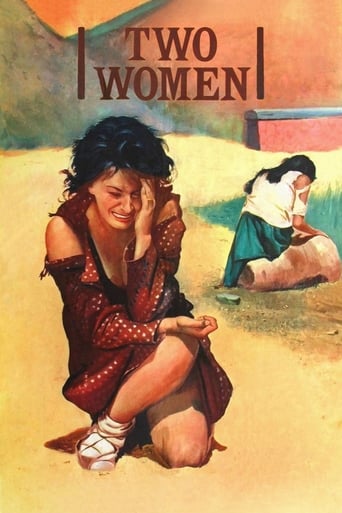
Titles linked here include The Iron Crown (1941), The White Sheik (1952).
When was Carlo Ninchi born and when did he die?
Born June 21, 1907; died October 27, 1974.
What awards did Carlo Ninchi win?
While specific major awards are not extensively documented, Ninchi received recognition from Italian film institutions for his career achievements and was honored at Italian film festivals for his substantial contributions to cinema.
What was Carlo Ninchi's acting style?
Ninchi's acting style combined classical Italian theatrical tradition with cinematic realism. He was known for his commanding presence, clear diction, and ability to portray both stern authority figures and compassionate characters with equal authenticity.