Films
1 film
About J.N. Douvan-Tarzow
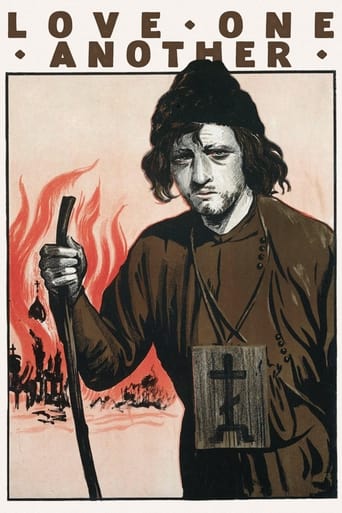
Actor from the silent film era: known filmography consists of a single appearance in the 1922 film 'Love One Another.' This film, also known by its original Danish title 'Die Gezeichneten,' was a significant production directed by the acclaimed Danish filmmaker Carl Theodor Dreyer. Douvan-Tarzow's participation in this particular project places him within the orbit of one of European cinema's most important early auteurs. The film itself was a German-Danish co-production that dealt with themes of anti-Semitism and persecution, making it a bold and socially conscious work for its time. Unfortunately, like many actors from this period, particularly those with brief careers or minor roles, detailed biographical records about Douvan-Tarzow's life, training, or other potential work have not survived the passage of time. His entire documented acting career is encapsulated within the single year of 1922, making him a representative figure of the countless supporting players who contributed to the silent cinema but whose personal stories remain largely lost to history. His legacy is therefore inextricably linked to this one powerful and enduring film.
The Craft
Milestones
- Appeared in Carl Theodor Dreyer's acclaimed 1922 film 'Love One Another' (Die Gezeichneten)
Best Known For
Must-See Films
Working Relationships
Worked Often With
Why They Matter
Impact on Culture
J.N. Douvan-Tarzow's cultural impact is not as an individual but as a component of a historically significant film. By participating in 'Love One Another,' he contributed to a work that was an early and powerful cinematic statement against social injustice and anti-Semitism. The film itself is studied by film historians for its directorial mastery by Carl Theodor Dreyer and its serious engagement with difficult subject matter. Douvan-Tarzow represents the collective of anonymous actors whose cumulative efforts made such landmark films possible, embodying the collaborative nature of cinematic art even in its earliest days.
Lasting Legacy
The legacy of J.N. Douvan-Tarzow is that of a silent-era enigma, a name preserved only in film credits, representing the thousands of performers who filled the frames of early cinema. While his individual contribution may have been small, his name is forever linked to a masterpiece by one of cinema's greatest directors. His story serves as a poignant reminder of the vast, unrecorded history of film and the many artists whose names survive only as footnotes, yet who were essential to the creation of the art form we cherish today. His enduring legacy is his connection to 'Love One Another,' ensuring his name is remembered as long as the film is studied and celebrated.
Who They Inspired
There is no documented evidence of J.N. Douvan-Tarzow directly influencing other filmmakers or performers, likely due to his brief and obscure career. His influence is indirect, tied to the lasting power of the film he helped create. The actors who followed and studied the performances within Dreyer's films were influenced by the entire ensemble, including performers like Douvan-Tarzow, who contributed to the film's overall realistic and affecting atmosphere.
Off Screen
Due to the extremely limited documentation of J.N. Douvan-Tarzow's career, no verifiable information is available regarding his personal life, family, or activities outside of his single known film credit. This is common for many bit-part actors from the silent era, whose lives were not considered newsworthy at the time and whose records have since been lost or were never formally documented.
Did You Know?
- J.N. Douvan-Tarzow's entire known filmography consists of just one film.
- His only known film, 'Love One Another,' was directed by the Danish auteur Carl Theodor Dreyer.
- The film is also known by its original German title, 'Die Gezeichneten,' which translates to 'The Stigmatized' or 'The Marked Ones.'
- Like many supporting actors from the silent era, virtually no biographical details about his life are known to film historians.
- His name appears in the credits, but the specific role he played is not widely documented, typical for minor cast members of the period.
- The film was a German-Danish co-production, suggesting Douvan-Tarzow may have been either German, Danish, or another European national.
- The film's negative was thought lost for many years but was later recovered, preserving Douvan-Tarzow's only known screen work for posterity.
Frequently Asked Questions
Who was J.N. Douvan-Tarzow?
with credits in this catalog.' He is representative of the many obscure actors whose entire documented careers consisted of minor roles in early cinema.
What films is J.N. Douvan-Tarzow best known for?
Titles linked here include Love One Another (1922).
When was J.N. Douvan-Tarzow born and when did he die?
Unfortunately, the birth and death dates for J.N. Douvan-Tarzow are not known. This lack of personal information is common for actors who had very brief or minor roles in silent films.
What awards did J.N. Douvan-Tarzow win?
There are no records of J.N. Douvan-Tarzow receiving any awards or nominations for his work. His career was too brief and his role too minor to have garnered such recognition.
What was J.N. Douvan-Tarzow's acting style?
Due to the lack of surviving information and the obscurity of his role, his specific acting style cannot be determined. He would have employed the standard techniques of silent film acting, which relied heavily on physical expression and pantomime.
Why is J.N. Douvan-Tarzow remembered if he was in only one film?
He is remembered because his only film, 'Love One Another,' is a significant work by the acclaimed director Carl Theodor Dreyer. His name is preserved in the film's credits, linking him forever to this important piece of cinema history.