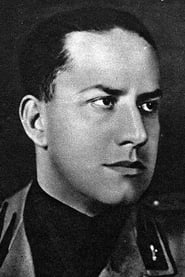
Galeazzo Ciano
Actor
Born: March 18, 1903 in Livorno, Italy Died: January 11, 1944 Active: 1943-1943 (as film subject) Birth Name: Galeazzo Ciano, Count of Cortellazzo and Buccari
Films
1 film
About Galeazzo Ciano
Galeazzo Ciano was not an actor but a prominent Italian diplomat and politician who served as Italy's Foreign Minister from 1936 to 1943 under Mussolini's fascist regime. Born into an aristocratic family, he rose rapidly through the diplomatic corps and married Edda Mussolini, becoming the dictator's son-in-law. As Foreign Minister, he initially supported Italy's alliance with Nazi Germany but later grew skeptical of the war's direction. Ciano in the Fascist Grand Council's July 1943 meeting that voted to remove Mussolini from power, an act that ultimately led to his downfall. After Mussolini was rescued by German forces, Ciano was arrested, tried for treason, and executed by firing squad in January 1944. His extensive diaries, smuggled out of Italy, became invaluable historical documents about the inner workings of the fascist regime.
The Craft
Milestones
- Appointed Italian Foreign Minister (1936)
- Signed Pact of Steel with Germany (1939)
- Voted to remove Mussolini from power (1943)
- Left behind controversial diaries documenting fascist regime
Best Known For
Iconic Roles
Must-See Films
Accolades
Special Recognition
- Count of Cortellazzo and Buccari (noble title)
Why They Matter
Impact on Culture
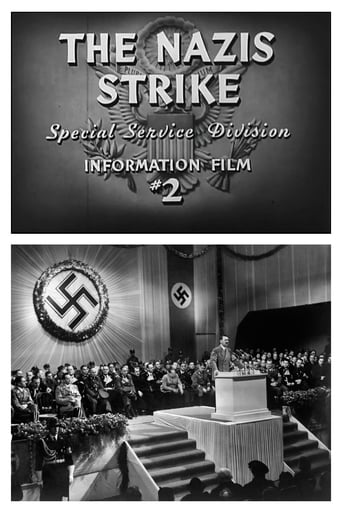
Galeazzo Ciano's appearance in Frank Capra's 'Why We Fight: The Nazis Strike' represents the use of archival footage in wartime propaganda to document and condemn fascist leadership. His presence in such films helped American audiences understand the hierarchy and personalities of the Axis powers. More significantly, his diaries, published posthumously as 'The Ciano Diaries,' provided unprecedented insight into the inner workings of Mussolini's regime and the deteriorating relationship between Italy and Germany during World War II.
Lasting Legacy
Ciano's legacy is complex - as a fascist collaborator who initially supported Mussolini's policies, but also as the man who helped vote to remove the dictator from power. His diaries remain. Historians view him as a tragic figure who recognized too late the catastrophic path of fascism and paid the ultimate price for his late-stage opposition to Mussolini.
Who They Inspired
Ciano's diaries have influenced countless historical works about World War II and the fascist period, providing scholars with detailed accounts of diplomatic negotiations, political maneuvering, and personal relationships within the fascist hierarchy. His execution demonstrated the brutal consequences of opposing totalitarian regimes from within.
Off Screen
Ciano married Edda Mussolini in 1930, making him Benito Mussolini's son-in-law. The couple had three children: Fabrizio, Raimonda, and Marzio. His marriage to Edda was both politically advantageous and personally complex, especially as he grew disillusioned with Mussolini's leadership. Despite his aristocratic background and diplomatic career, Ciano's life ended tragically when he was executed for treason after voting against his father-in-law.
Education
University of Rome (Law degree)
Family
- Edda Mussolini (1930-1944)
Did You Know?
- His diaries were smuggled out of Italy by his wife Edda and published after the war
- He was an avid photographer and documented many important political events
- His father was Admiral Costanzo Ciano, a World War I hero and fascist supporter
- He served as Italy's ambassador to China before becoming Foreign Minister
- The Ciano Palace in Livorno was built by his family and still stands today
- His execution was carried out by the same fascist regime he once served
- Franklin D. Roosevelt personally read excerpts from his diaries during wartime
- His vote against Mussolini was considered
In Their Own Words
"The war is lost. We must make peace at any cost." (from his diaries, 1943)
"Mussolini is no longer the man he was. He is tired, old, and isolated." (diary entry, July 1943)
"Better to die standing than to live on one's knees." (reported last words)
Frequently Asked Questions
Who was Galeazzo Ciano?
Galeazzo Ciano was Italy's Foreign Minister from 1936 to 1943 and Benito Mussolini's son-in-law. He was a prominent fascist politician who later voted to remove Mussolini from power and was executed for treason in 1944.
Why does Galeazzo Ciano appear in Why We Fight: The Nazis Strike?
Ciano appears in archival footage as a historical figure, not as an actor. The documentary used newsreel footage of him to illustrate the fascist leadership structure to American audiences during World War II.
When was Galeazzo Ciano born and when did he die?
Born March 18, 1903; died January 11, 1944.
What was Galeazzo Ciano's most significant contribution to history?
Ciano's most significant contribution was his detailed diaries documenting the inner workings of Mussolini's fascist regime, which provide invaluable historical insight into World War II diplomacy and politics.
How did Galeazzo Ciano die?
Ciano was executed by firing squad on January 11, 1944, after being found guilty of treason for his role in voting to remove Mussolini from power in July 1943.
Was Galeazzo Ciano really an actor?
No, Galeazzo Ciano was not an actor. He was a diplomat and politician whose archival footage appeared in documentaries. His listing in film databases reflects his appearance as himself in historical footage, not an acting career.