Amund Rydland
Actor
Born: November 29, 1888 in Voss, Norway Died: March 16, 1956 Active: 1921-1921
Films
1 film
About Amund Rydland
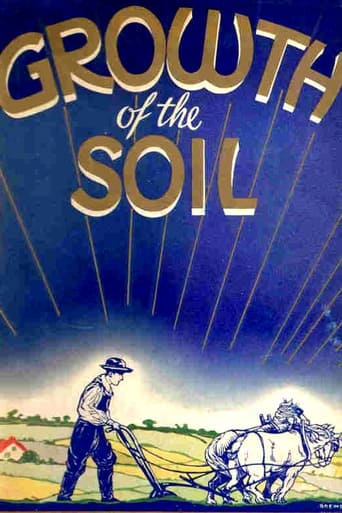
Amund Rydland worked on one surviving credit: Markens Grøde (Growth of the Soil) (1921). Rydland's performance in this landmark Norwegian film showcased the naturalistic acting style that was emerging in Scandinavian cinema during the 1920s. While his film career appears to have been brief, centered around this single significant production, his contribution to Norwegian cultural cinema was substantial. The film itself was one of Norway's most ambitious early cinematic productions, and Rydland was part of a cast that helped bring Hamsun's epic tale of rural Norway to the screen. His portrayal captured the essence of the Norwegian pioneer spirit that was central to the story. Though his filmography may be limited to this one known work, his role in 'Markens Grøde' secured his place in the annals of Norwegian film history as an early contributor to the country's cinematic heritage.
The Craft
On Screen
Naturalistic and authentic, reflecting the realistic acting style emerging in Scandinavian silent cinema. His approach emphasized genuine emotion and connection to the Norwegian rural setting, avoiding the exaggerated gestures common in earlier silent film acting.
Milestones
- Starred in the landmark Norwegian silent film 'Markens Grøde' (1921)
- Participated in one of Norway's earliest major film adaptations
- Contributed to the cinematic interpretation of Knut Hamsun's Nobel Prize-winning work
Best Known For
Iconic Roles
Must-See Films
Accolades
Special Recognition
- Recognized as part of Norway's early film heritage through his role in 'Markens Grøde'
Working Relationships
Worked Often With
Why They Matter
Impact on Culture
Amund Rydland's contribution to Norwegian cinema, while limited to one known film, represents an important moment in the country's film history. 'Markens Grøde' was one of Norway's first major literary adaptations and helped establish the tradition of bringing Norwegian literary works to the screen. The film itself was significant for its portrayal of Norwegian rural life and the pioneer spirit, themes that resonated deeply with Norwegian national identity. Rydland's participation in this cultural project helped cement cinema as a legitimate medium for expressing Norwegian cultural values and stories.
Lasting Legacy
Amund Rydland's legacy is primarily tied to his role in 'Markens Grøde', one of the foundational films of Norwegian cinema. Though his film career was brief, his contribution to this landmark production ensures his place in Norwegian film history. The film itself has become a cultural artifact, studied for its adaptation of Hamsun's work and its representation of early 20th-century Norwegian cinema. Rydland represents the generation of Norwegian actors who helped bridge the gap between theater and the emerging medium of film.
Who They Inspired
As an early contributor to Norwegian cinema, Rydland's naturalistic acting style in 'Markens Grøde' may have influenced subsequent generations of Norwegian actors who sought to bring authenticity to their performances. The film's success and the quality of its performances, including Rydland's, helped establish standards for Norwegian film acting that emphasized realism over theatricality.
Off Screen
Amund Rydland lived during a transformative period in Norwegian history, spanning from the late 19th century through the mid-20th century. His life coincided with Norway's early years as an independent nation following its separation from Sweden in 1905. Details about his personal life remain scarce, as was common for many early film actors whose primary recognition came from their stage work rather than film appearances.
Did You Know?
- 'Markens Grøde' was based on Knut Hamsun's novel that won the Nobel Prize in Literature in 1920
- The film was one of Norway's most ambitious productions of the silent era
- Rydland's film career appears to have been limited to this single production
- The film was directed by Danish filmmaker Gunnar Sommerfeldt
- The story follows the life of Isak, a man who settles in the Norwegian wilderness
- The film was significant for its authentic portrayal of Norwegian rural life
- The production was filmed on location in Norway to capture the authentic landscape
- The film represents an early example of literary adaptation in Norwegian cinema
- Rydland was part of the first generation of Norwegian film actors
- The film's themes of man's relationship with nature were central to Norwegian cultural identity
Frequently Asked Questions
Who was Amund Rydland?
Norwegian with credits in this catalog.
What films is Amund Rydland best known for?
Titles linked here include Markens Grøde (Growth of the Soil) (1921).
When was Amund Rydland born and when did he die?
Born November 29, 1888; died March 16, 1956.
What awards did Amund Rydland win?
There are no recorded major awards or nominations for Amund Rydland, which was common for actors in early Norwegian cinema during the silent era.
What was Amund Rydland's acting style?
Rydland employed a naturalistic acting style that reflected the emerging realistic approach in Scandinavian silent cinema, emphasizing authentic emotion over theatrical gestures.