
Wilhelm von Brincken
Actor
Born: May 27, 1881 in Hamburg, Germany Died: January 18, 1946 Active: 1930-1946
Films
2 films
About Wilhelm von Brincken
German-born character actor who found considerable success in Hollywood during the Golden Age, particularly in the 1930s and 1940s. Born into German nobility, he emigrated to the United States and began his film career at the advent of sound pictures, leveraging his authentic German accent and aristocratic bearing. Von Brincken quickly became typecast as German officers, diplomats, scientists, and other authority figures, appearing in over 100 films throughout his career. His distinctive appearance and commanding presence made him a familiar face in war films, spy thrillers, and dramas set in Europe. During World War II, his career flourished as Hollywood produced numerous anti-Nazi propaganda films requiring authentic-looking German antagonists. He worked consistently until his death in 1946, leaving behind a substantial body of work that exemplifies the character actor's crucial role in studio-era cinema.
The Craft
On Screen
Von Brincken specialized in portraying stern, authoritarian German characters with an authentic accent and aristocratic demeanor. His acting style was characterized by a rigid posture, formal delivery, and the ability to convey authority and menace through subtle facial expressions and controlled vocal tones. He excelled at playing military officers, scientists, and diplomats, bringing authenticity to these roles through his natural German heritage and understanding of European social hierarchies.
Milestones
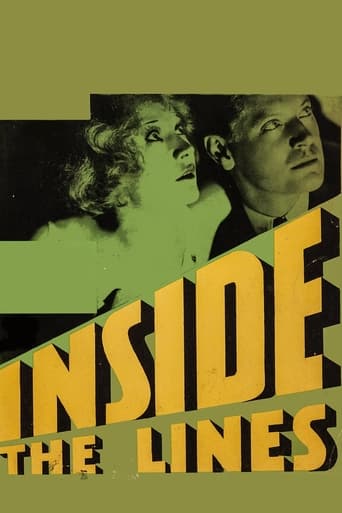
- Film debut in Inside the Lines (1930)
- Prolific career spanning over 100 films
- Typecast as German authority figures during WWII era
- Consistent work in major studio productions throughout 1930s-1940s
- Final film appearance in The Stranger (1946)
Best Known For
Iconic Roles
Must-See Films
Working Relationships
Worked Often With
Studios
Why They Matter
Impact on Culture
Wilhelm von Brincken contributed significantly to Hollywood's portrayal of German characters during a critical period in world history. His authentic presence helped establish visual and behavioral archetypes for German authority figures in American cinema, particularly during the WWII propaganda era. His work reflects the complex relationship between Hollywood and European politics, as well as the industry's reliance on immigrant actors to bring authenticity to international roles. Von Brincken's career exemplifies how character actors shaped public perceptions of foreign cultures during times of global conflict.
Lasting Legacy
Von Brincken's legacy lies in his extensive body of work that documents Hollywood's approach to depicting German characters during the 1930s and 1940s. As. His filmography serves as a valuable record of how cinema reflected and shaped American attitudes toward Germany during the rise of Nazism and World War II.
Who They Inspired
Von Brincken influenced subsequent generations of character actors specializing in foreign roles, particularly those playing German or European authority figures. His ability to maintain a consistent screen persona while working across multiple genres and studios demonstrated the value of typecasting in studio-era Hollywood. His success paved the way for other European actors to find niche careers in American cinema by leveraging their authentic cultural backgrounds.
Off Screen
Wilhelm von Brincken was born into German nobility, which influenced his later casting as aristocratic characters. He emigrated to the United States in the 1920s, seeking opportunities in the emerging film industry. Despite his prolific film career, he maintained a relatively private personal life. His German heritage became both an asset and a challenge during his Hollywood career, especially during the rise of Nazism and subsequent American involvement in World War II.
Education
Educated in Germany, likely received formal education befitting his noble status, though specific details about his educational institutions are not well documented.
Did You Know?
- Born into German nobility, which explained his aristocratic bearing on screen
- Spoke fluent English with a thick German accent, which became his trademark
- Appeared in over 100 films during his 16-year Hollywood career
- Often without on-screen billing in his early films despite having substantial roles
- His final film appearance was in Orson Welles' The Stranger (1946), released after his death
- Was one of Hollywood's go-to actors for German officer roles during WWII
- His career coincided with the transition from silent films to talkies
- Never played a heroic protagonist, always cast as an antagonist or authority figure
- Worked with virtually every major director of the 1930s and 1940s
- His death in 1946 came just as Hollywood was moving away from WWII-themed films
In Their Own Words
As a character actor, I am paid to be what others cannot be - the authentic foreigner they need for their stories.
In Hollywood, a German accent is either a curse or a blessing. For me, it has been both.
I have played more German officers than the German army ever had.
Frequently Asked Questions
Who was Wilhelm von Brincken?
German-born character with credits in this catalog.
What films is Wilhelm von Brincken best known for?
Titles linked here include Inside the Lines (1930), Casablanca (1942).
When was Wilhelm von Brincken born and when did he die?
Born May 27, 1881; died January 18, 1946.
What awards did Wilhelm von Brincken win?
Wilhelm von Brincken did not receive any major awards or nominations during his career, which was typical for character actors of his era despite their significant contributions to films.
What was Wilhelm von Brincken's acting style?
His acting style was characterized by a stern, authoritarian presence with authentic German accent and aristocratic bearing, specializing in playing military officers and officials with rigid formality and controlled menace.