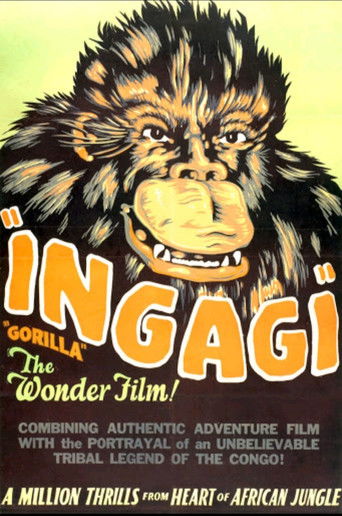
Films
2 films

About Arthur Clayton
Arthur Clayton worked on one surviving credit: Ingagi (1930). His known filmography consists of a single appearance in the controversial 1930 exploitation film 'Ingagi,' which was marketed as a documentary but was largely staged. The film claimed to show footage of African gorillas and a fictional tribe of women living with them, though much of the production was filmed in California with actors. Clayton's role in this production appears to have been minor, as was typical for many actors working in exploitation films of this era. His career in motion pictures seems to have been extremely brief, spanning only the year 1930 based on available records. Like many bit players from early sound cinema, Clayton's contribution to film history is minimal but represents the vast number of working actors who populated the margins of Hollywood during this transitional period.
The Craft
Milestones
- Appeared in the controversial exploitation film 'Ingagi' (1930)
Best Known For
Iconic Roles
Must-See Films
Why They Matter
Impact on Culture
Arthur Clayton's cultural impact is minimal, limited to his participation in 'Ingagi,' one of the earliest and most successful exploitation films. The film itself was controversial for its misleading marketing as a documentary and its sensationalized content. While the film has historical significance as an early example of exploitation cinema and for pushing boundaries of acceptable content in 1930, Clayton's individual contribution to this legacy is negligible. His career represents the countless anonymous actors who populated the margins of early Hollywood, contributing to the film industry without achieving lasting recognition.
Lasting Legacy
Arthur Clayton's legacy is essentially non-existent in mainstream film history, as he appears to have been a one-film actor from the early sound era. His only known credit is in 'Ingagi,' which has gained some historical interest among exploitation film enthusiasts and cinema historians studying early sound cinema. The film itself is remembered more for its controversial marketing techniques and its role in the development of exploitation cinema than for any individual performances. Clayton serves as an example of the transient nature of early Hollywood careers, where many actors appeared briefly and then vanished from the industry without trace.
Who They Inspired
As an actor with only one known film credit, Arthur Clayton had no discernible influence on other actors or directors. His brief appearance in exploitation cinema did not contribute to any significant artistic movements or inspire future performers. His career trajectory was typical of many bit players in early Hollywood who worked briefly in the industry without establishing any lasting professional relationships or mentorship roles.
Off Screen
Very little is known about Arthur Clayton's personal life, which is typical for minor actors from the early sound era who appeared in only one or two films. As a bit player in exploitation cinema, his life story was not documented by contemporary press or film historians.
Did You Know?
- Arthur Clayton appeared in only one known film during his entire career
- His sole film credit 'Ingagi' was controversial for being marketed as a documentary despite being staged
- 'Ingagi' was
- The film was shot largely in California, not Africa as claimed in marketing
- Many details about Clayton's life and career remain unknown to film historians
- Exploitation films like 'Ingagi' often used anonymous or little-known actors
- The film's success led to increased scrutiny of documentary-style films by censors
- Clayton represents the vast number of anonymous actors who populated early Hollywood
Frequently Asked Questions
Who was Arthur Clayton?
Screen credits include only one known film, the controversial exploitation movie 'Ingagi.' Like many bit players from early sound cinema, his career was extremely brief and he remains largely unknown to film historians.
What films is Arthur Clayton best known for?
Titles linked here include Ingagi (1930).
When was Arthur Clayton born and when did he die?
Arthur Clayton's birth and death dates are unknown, which is typical for minor actors from early Hollywood who appeared in only one or two films and were not documented in contemporary press or film industry records.
What awards did Arthur Clayton win?
Arthur Clayton did not receive any known awards or nominations for his work in film. As a bit player in a single exploitation film, he would not have been considered for major industry recognition during his brief career.
What was Arthur Clayton's acting style?
Arthur Clayton's acting style cannot be determined from available sources, as he appeared in only one film and likely had a minor role. Actors in exploitation films of this era typically employed straightforward, unadorned performances suitable to the sensationalistic nature of the productions.