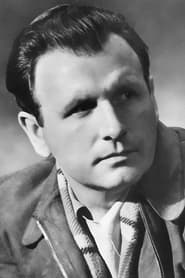
Günther Simon
Actor
Born: December 11, 1925 in Berlin, Germany Died: May 25, 1972 Active: 1951-1972
Films
1 film
About Günther Simon
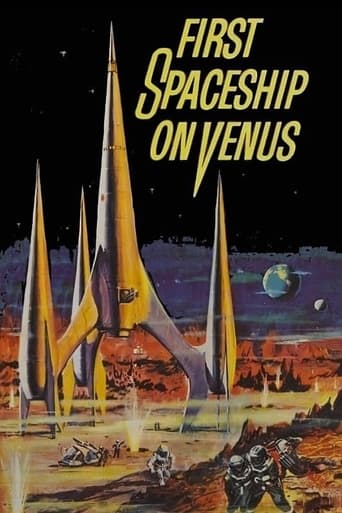
Prominent East German actor who became recognizable faces in DEFA (Deutsche Film-Aktiengesellschaft) productions during the 1950s and 1960s. Born in Berlin in 1925, he began his acting career after World War II, studying at the prestigious Max Reinhardt acting school. Simon quickly rose to prominence in East German cinema, becoming particularly known for his roles in socialist realist films and science fiction productions. His most internationally recognized role was as Professor Harringway in the 1960 science fiction classic 'First Spaceship on Venus' (Der Schweigende Stern), which was co-produced with Poland and distributed internationally. Throughout his career, Simon appeared in over 30 films, often playing scientists, intellectuals, and authority figures that aligned with East German ideological narratives. He was also active in theater and television, becoming a respected figure in East German cultural circles. His career was cut short by his untimely death in 1972 at the age of 46, but he left a lasting impact on East German cinema and remains remembered as one of the era's most versatile actors.
The Craft
On Screen
Simon was known for his naturalistic and authoritative screen presence, often portraying intellectuals, scientists, and officials with a dignified, measured approach. His acting style was grounded in classical theater training, bringing a formal precision to his film roles while maintaining an accessibility that resonated with East German audiences. He had a distinctive voice and commanding presence that made him particularly effective in roles requiring gravitas and intellectual authority.
Milestones
- Breakthrough role in 'Das verurteilte Dorf' (1952)
- International recognition in 'First Spaceship on Venus' (1960)
- Leading roles in multiple DEFA productions throughout the 1950s-60s
- Award for Best Actor at the Karlovy Vary International Film Festival (1954)
- Extensive theater work in East Berlin
Best Known For
Iconic Roles
Must-See Films
Accolades
Won
- Best Actor Award at Karlovy Vary International Film Festival (1954)
- Heinrich Greif Prize (1960)
- National Prize of East Germany, 3rd Class (1959)
Nominated
- Multiple nominations for East German Film Awards
Special Recognition
- Recognized as one of East Germany's leading actors of his generation
- Posthumous recognition in East German film retrospectives
Working Relationships
Worked Often With
Studios
Why They Matter
Impact on Culture
Günther Simon played a significant role in shaping East German cinema during the Cold War era, representing the ideal of the socialist intellectual and scientist in many of his films. His work in 'First Spaceship on Venus' helped bridge the gap between Eastern Bloc cinema and international audiences, showcasing the technical and artistic capabilities of DEFA productions. As one of East Germany's most recognizable actors, he contributed to the cultural identity of the GDR and helped legitimize East German film both domestically and abroad. His portrayals of scientists and intellectuals reflected the East German emphasis on scientific progress and education as pillars of socialist society.
Lasting Legacy
Günther Simon's legacy endures through his extensive filmography, particularly his role in 'First Spaceship on Venus,' which remains a cult classic among science fiction enthusiasts and students of Cold War cinema. He is remembered as one of East Germany's most versatile and respected actors, capable of moving between serious dramatic roles and genre films with equal skill. His performances continue to be studied in film schools examining the cinema of the Eastern Bloc, and his work serves as an important document of East German cultural production during the Cold War. Post-reunification retrospectives have helped introduce his work to new generations of German and international audiences.
Who They Inspired
Simon influenced subsequent generations of East German actors through his combination of classical training and screen presence, demonstrating how to work within the constraints of state-sponsored cinema while maintaining artistic integrity. His ability to portray complex intellectual characters while adhering to socialist realist conventions provided a model for other actors in the system. His international success with 'First Spaceship on Venus' also showed that East German actors could achieve recognition beyond the Iron Curtain, inspiring others to seek similar opportunities.
Off Screen
Günther Simon was married and had children, though detailed information about his family life remains limited due to the private nature of East German celebrities and the historical context. He was known to be dedicated to his craft and was respected within the East German artistic community for his professionalism and commitment to socialist cultural values. His death at age 46 was considered a significant loss to East German cinema.
Education
Trained at the Max Reinhardt acting school in Berlin after World War II, receiving formal classical theater education that formed the foundation of his acting technique and approach to both stage and screen performances.
Family
- Information not publicly available
Did You Know?
- His role in 'First Spaceship on Venus' was his most internationally recognized performance, with the film being distributed in the United States by American International Pictures
- The film was an East German-Polish co-production, one of the few such collaborations during the Cold War
- Simon often played scientists and intellectuals, reflecting the East German emphasis on scientific achievement
- He was part of the generation of German actors who came of age after World War II and helped rebuild German cinema
- His death at age 46 cut short what many considered to be still a productive career
- Despite working in a state-controlled system, Simon managed to maintain artistic credibility and audience appeal
- His classical theater training gave him a distinctive speaking style that set him apart from many contemporary film actors
In Their Own Words
Information about specific quotes from Günther Simon is not widely documented in available sources
Frequently Asked Questions
Who was Günther Simon?
Prominent East German with credits in this catalog. He was best known internationally for his role as Professor Harringway in the science fiction film 'First Spaceship on Venus' and was considered one of East Germany's most versatile actors of his generation.
What films is Günther Simon best known for?
Titles linked here include First Spaceship on Venus (1960), Das verurteilte Dorf (1952).
When was Günther Simon born and when did he die?
Born December 11, 1925; died May 25, 1972.
What awards did Günther Simon win?
Simon won the Best Actor Award at the Karlovy Vary International Film Festival in 1954, received the Heinrich Greif Prize in 1960, and was awarded the National Prize of East Germany, 3rd Class in 1959 for his contributions to cinema.
What was Günther Simon's acting style?
Simon was known for his naturalistic yet authoritative acting style, rooted in classical theater training. He often portrayed intellectuals and scientists with a dignified, measured approach, bringing gravitas and credibility to his roles while remaining accessible to audiences.