Films
2 films
About Fedor Kurihin
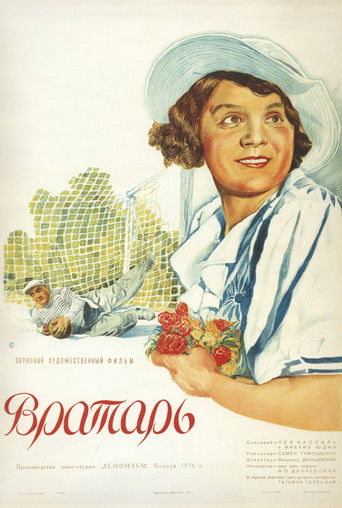
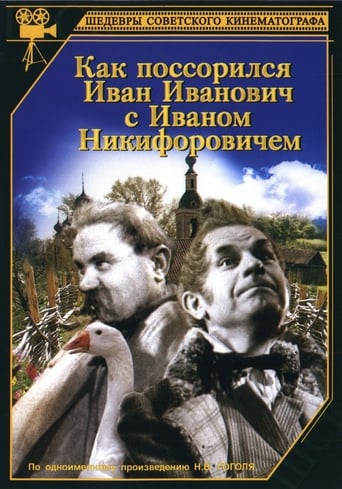
Soviet actor active during the late 1930s and early 1940s, appearing in notable films of the Stalinist era of Soviet cinema. His most recognized works include the 1936 film 'The Goalkeeper,' a sports-themed drama that was popular during the period of Soviet emphasis on physical culture and athletic achievement. In 1941, he appeared in 'How Ivan Ivanovich Quarreled with Ivan Nikiforovich,' a comedy adaptation of Nikolai Gogol's classic story directed by the renowned Vsevolod Pudovkin. Kurihin's career coincided with the golden age of Soviet cinema, though his filmography appears to have been limited to character roles. His acting career was likely interrupted by World War II, as his last known film was released in 1941, the year Germany invaded the Soviet Union. Like many character actors of his era, he contributed to the Soviet cinema without achieving widespread fame beyond his native country.
The Craft
On Screen
Based on his filmography, Kurihin appeared to specialize in character roles, likely employing the theatrical style common in Soviet cinema of the 1930s, which emphasized clear character archetypes and dramatic expression suitable for the ideological requirements of the period.
Milestones
- Appeared in 'The Goalkeeper' (1936)
- Featured in 'How Ivan Ivanovich Quarreled with Ivan Nikiforovich' (1941)
- Worked during the Stalinist era of Soviet cinema
Best Known For
Iconic Roles
Must-See Films
Working Relationships
Worked Often With
Studios
Why They Matter
Impact on Culture
Fedor Kurihin contributed to Soviet cinema during a pivotal period when film was used as a tool for cultural education and ideological messaging. His participation in adaptations of classic Russian literature like Gogol's work helped preserve and popularize Russian literary heritage during the Soviet era. Though not a major star, his work in films like 'The Goalkeeper' supported the Soviet emphasis on sports and physical culture as elements of the new Soviet person.
Lasting Legacy
Fedor Kurihin's legacy is preserved through his appearances in notable Soviet films of the 1930s-1940s, particularly his work in adaptations of Russian literature. His contribution to Soviet cinema represents the work of the many character actors who formed the backbone of the film industry during this period, supporting major directors and stars while helping create the distinctive style of Soviet socialist realism in film.
Who They Inspired
As a character actor, Kurihin's influence would have been primarily through his contributions to ensemble performances rather than as an individual influencer of other actors or directors.
Off Screen
Limited information is available about Fedor Kurihin's personal life, which was common for character actors of the Soviet era who did not achieve star status.
Did You Know?
- His film active years covered only five years (1936-1941), likely cut short by World War II
- He worked with renowned Soviet director Vsevolod Pudovkin
- Appeared in an adaptation of Nikolai Gogol's classic Russian literature
- His film 'The Goalkeeper' was part of the Soviet emphasis on sports films promoting physical culture
- His last known film was released in 1941, the same year the Soviet Union entered World War II
- Like many Soviet character actors of his era, detailed biographical information is scarce
Frequently Asked Questions
Who was Fedor Kurihin?
Soviet character with credits in this catalog. He was a supporting actor during the Stalinist era of Soviet cinema.
What films is Fedor Kurihin best known for?
Titles linked here include The Goalkeeper (1936), How Ivan Ivanovich Quarreled with Ivan Nikiforovich (1941).
When was Fedor Kurihin active in film?
Fedor Kurihin's known film active years covered from 1936 to 1941, a period that coincided with the golden age of Stalinist Soviet cinema and was cut short by the outbreak of World War II.
Did Fedor Kurihin win any awards?
There are no known awards or nominations on record for Fedor Kurihin, which was common for character actors of his era in Soviet cinema who did not achieve star status.
What was Fedor Kurihin's acting style?
Based on his filmography and the period in which he worked, Kurihin likely employed the theatrical style common in Soviet cinema of the 1930s, characterized by clear character archetypes and dramatic expression suitable for the ideological requirements of socialist realism.