Films
1 film
About R. Krechetov
Actor in the early Russian film industry during the silent era, active exclusively in 1915. Very little is documented about this performer, who appeared during a pivotal but turbulent period in Russian cinema history. His career was remarkably brief, spanning only a single year, which was not uncommon for many early film actors who either left the industry or whose careers were cut short by the political upheavals that would soon transform Russia. R. Krechetov was part of the burgeoning Russian film scene that was developing its own distinct artistic voice before being disrupted by the 1917 Revolution. Like many actors from this period, Krechetov's contributions have been largely lost to history, with only fragmentary records remaining in film archives. His work represents the early foundations of Russian cinematic art that would later influence world cinema through directors like Eisenstein and Vertov.
The Craft
Milestones
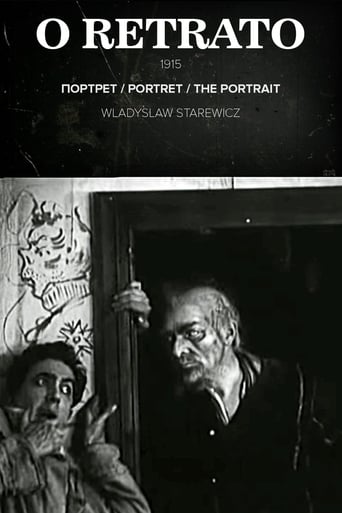
- Appeared in 'The Portrait' (1915) during the golden age of pre-revolutionary Russian cinema
Best Known For
Must-See Films
Why They Matter
Impact on Culture
R. Krechetov represents the largely forgotten generation of early Russian film actors who helped establish the foundation of Russian cinema during its formative years. Though his individual contribution was minimal and his career brief, he was part of the artistic community that developed Russian cinematic language before the revolutionary period. The pre-revolutionary Russian film industry, though less internationally recognized than the Soviet era that followed, was crucial in developing the technical and artistic foundations that would later make Russian cinema influential worldwide. Actors like Krechetov were pioneers in a medium that was still finding its artistic voice, contributing to the evolution of film as an art form in Russia.
Lasting Legacy
The legacy of R. Krechetov is primarily historical rather than artistic, serving as a reminder of the many anonymous contributors to early cinema whose names have been lost to time. His brief appearance in the film record represents the transient nature of early film careers, where many actors worked for only short periods before disappearing from historical records. While he may not have left a lasting artistic legacy, his existence helps paint a picture of the broader ecosystem of early Russian cinema, where numerous actors, technicians, and artists collaborated to create films that would eventually influence the course of cinematic history. His story highlights the importance of film preservation and historical documentation in ensuring that future generations can understand the full scope of cinema's development.
Who They Inspired
Given the brevity of his career and the obscurity of his work, there is no documented evidence of R. Krechetov's direct influence on other actors or filmmakers. His influence is instead indirect, as part of the collective body of work that established early Russian cinema traditions and techniques that would later be built upon by more famous figures in the industry.
Off Screen
No documented information is available about the personal life of R. Krechetov, which is common for actors from this early period of Russian cinema. Many records from this era were lost during the political upheavals of the early 20th century, including the 1917 Revolution and subsequent conflicts.
Did You Know?
- R. Krechetov's entire known film active years covered only one year - 1915
- He appeared during what many consider the golden age of pre-revolutionary Russian cinema
- The film 'The Portrait' (1915) is one of the few surviving records of his existence as an actor
- Many actors from this period of Russian cinema have incomplete or lost biographical records
- Pre-revolutionary Russian cinema produced over 2,000 films, but many have been lost to history
- Actors from this era often used stage names, making it difficult to trace their real identities
- The Russian film industry was among the most productive in Europe before World War I
Frequently Asked Questions
Who was R. Krechetov?
Russian with credits in this catalog. He is known only for his appearance in the film 'The Portrait' (1915), and very little biographical information about him survives today.
What films is R. Krechetov best known for?
Titles linked here include The Portrait (1915).
When was R. Krechetov born and when did he die?
The birth and death dates of R. Krechetov are unknown, which is common for actors from this early period of Russian cinema. Many biographical records from this era were lost during the political upheavals of the early 20th century.
What awards did R. Krechetov win?
There are no records of R. Krechetov receiving any awards or nominations. The formal award systems for cinema were not yet established during his brief career in 1915.
What was R. Krechetov's acting style?
No documentation exists describing R. Krechetov's acting style or techniques. This information has been lost to history, as is common for many actors from the early silent film period, particularly those with very brief careers.