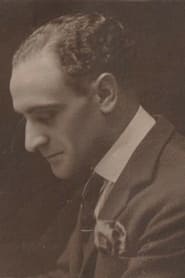
Guido Brignone
Director
- Born
- January 29, 1886, Milan, Italy
- Died
- May 31, 1959
- Active
- 1923-1953
Films directed 1
About Guido Brignone
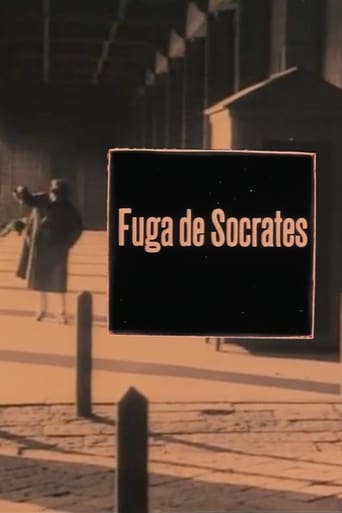
Guido Brignone was an Italian film director, screenwriter, and occasional actor whose career bridged the silent and sound eras of Italian cinema. Born in Milan, he emerged as a working filmmaker in the 1920s and quickly became one of the active directors of the interwar period, contributing to the development of a commercially oriented Italian film industry before, during, and after the transition to sound. He is credited with directing the 1923 silent film The Flight of Socrates, and his filmography reflects a broad engagement with melodrama, comedy, historical subjects, and literary adaptations. Brignone worked steadily through the 1930s and 1940s, when Italian cinema was reorganizing under changing industrial and political conditions, and he remained a prolific craftsman rather than an auteur associated with a single rigid style. He is also notable as the father of actress and director Lilla Brignone, linking him to a broader multi-generational artistic family. Although he is not as internationally famous as some Italian contemporaries, his body of work forms part of the foundation of mainstream Italian filmmaking in the decades before neorealism. His career is remembered today primarily by historians of silent and early sound Italian cinema and by viewers exploring the less internationally exported corners of Italy's classic film heritage.
More about Guido Brignone
Behind the camera
Brignone's directing is generally associated with efficient, professional studio filmmaking rather than a highly personal or avant-garde style. His work tended to favor clear storytelling, melodramatic structure, and accessible emotional appeal, which suited the tastes of popular Italian audiences in the interwar years. Like many directors of his generation, he adapted to the shifting technical demands of silent and sound production, emphasizing legibility of plot and performance over formal experimentation. His films are often discussed as part of the broader industrial and popular tradition of Italian cinema rather than as strongly author-driven works. He appears to have been a versatile director comfortable with historical subjects, domestic drama, and light entertainment.
In film history
Guido Brignone's cultural impact lies in his role as a competent and prolific representative of mainstream Italian cinema during a formative period. Directors like Brignone helped establish a durable production culture in Italy by making films that were commercially viable, audience-friendly, and adaptable to changing technologies. Even where his name is not central to the canonical histories of world cinema, his career contributes to the continuity that made later Italian film movements possible. His work belongs to the bridge between the silent industry and the sound-era studio system, a crucial transition in the country's film history. For researchers and programmers, he stands as an example of the many working directors whose craftsmanship sustained national cinema outside the small circle of internationally famous auteurs.
Later reputation
Brignone's lasting legacy is as a historical figure in Italian classic cinema rather than as a globally celebrated auteur. He is part of the generation of filmmakers whose steady output kept Italian film culture alive and commercially functional through changing artistic and industrial conditions. His name remains relevant to historians because it connects silent-era production, early sound filmmaking, and a familial line that continued in performance and direction through Lilla Brignone. While not a household name outside specialist circles, he is important for understanding the broader ecosystem of Italian screen culture in the first half of the twentieth century. His legacy is therefore one of continuity, craftsmanship, and participation in the evolution of the national cinema.
Influence
Brignone influenced Italian cinema primarily through practical example rather than through a widely recognized stylistic school. By working consistently across multiple decades, he demonstrated how directors could adapt to changing technology, audience tastes, and production methods. His family connection also extended his influence into the next generation via Lilla Brignone. Within the Italian industry, his films contributed to the norms of popular storytelling that later filmmakers inherited, even when they moved in very different artistic directions. His importance is strongest in the historical sense, as part of the foundation on which later Italian cinema was built.
Off screen
Guido Brignone came from an artistic Italian family and is especially remembered in part because his daughter, Lilla Brignone, became a notable actress and director. Beyond this family connection, relatively little is widely documented in standard English-language film references about his private life, and details of his marriages or broader domestic life are not consistently recorded in readily available sources. He lived through a period of profound change in Italian culture and cinema, from the silent era to the postwar years, and his professional identity remained closely tied to filmmaking. His family association with the theater and screen suggests an environment in which performance and direction were part of a wider artistic tradition. Further biographical specifics are often limited in standard summaries of his career.
Education
Formal educational details are not consistently documented in readily available film references.
Credits
- Directed The Flight of Socrates in 1923, one of the surviving reference points for his silent-era work
- Built a long career directing commercially popular Italian features across the silent and sound periods
- Worked steadily during the transition from silent cinema to synchronized sound, adapting his craft to new production norms
- Contributed to the development of mainstream Italian genre and melodramatic filmmaking in the 1930s and 1940s
- Helped shape the screen career of his daughter, actress and director Lilla Brignone, through a family environment deeply rooted in the performing arts
Films
- The Flight of Socrates (1923)
Collaborators
- Italian screenwriters and performers working in popular studio cinema of the 1920s-1950s
- Cast members associated with his melodramas and commercial features
Studios
- Italian film production companies of the silent era
- Italian sound-era studio productions
Notes
- He directed The Flight of Socrates in 1923, which places him firmly in the silent-cinema era.
- He was born in Milan, one of Italy's major cultural and theatrical centers.
- His career spanned both the silent and sound periods, requiring adaptation to major technical changes in filmmaking.
- He is the father of Lilla Brignone, who became a notable Italian actress and director.
- He worked in a period when Italian cinema was shifting from early international prominence to studio-based national production.
- His filmography is broader than the small number of titles often cited in English-language references.
- He is remembered more by film historians than by mainstream audiences, which is typical of many working directors of the era.
Questions
Who was Guido Brignone?
Guido Brignone was an Italian film director, screenwriter, and occasional actor active from the silent era into the early postwar period. He is best remembered as a prolific craftsman of mainstream Italian cinema, and he directed the 1923 silent film The Flight of Socrates.
What films is Guido Brignone best known for?
His best-known work in reference sources includes The Flight of Socrates (1923), the film specifically associated with his silent-era career. Beyond that, he is known more broadly for a long run of Italian popular films across the 1920s, 1930s, 1940s, and early 1950s.
When was Guido Brignone born and when did he die?
He was born on January 29, 1886, in Milan, Italy. He died on May 31, 1959, leaving behind a career that spanned a crucial era in Italian film history.
What awards did Guido Brignone win?
No major awards are consistently documented in the standard film references available for him. His importance is primarily historical and industrial rather than based on a record of major international prizes.
What was Guido Brignone's directing style?
Brignone's directing style is generally described as professional, efficient, and oriented toward clear storytelling and audience appeal. He worked in melodrama, comedy, and historical material, emphasizing narrative clarity over stylistic experimentation.
What is Guido Brignone's legacy in film history?
His legacy lies in his role as a dependable working director who helped sustain Italian cinema through the transition from silent films to sound. He is also remembered as the father of Lilla Brignone, linking him to a continuing artistic lineage.