Films
1 film
About Tadeusz Wesołowski
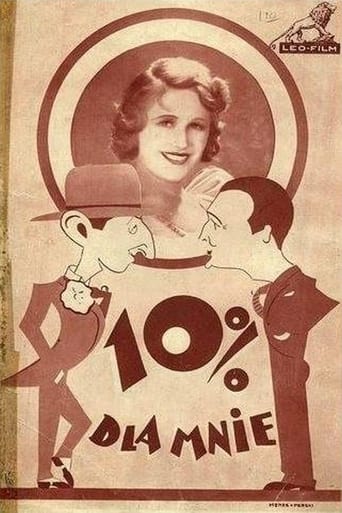
Tadeusz Wesołowski is credited on a single production — 10% dla mnie (1933). His known filmography consists of a single appearance in the 1933 Polish film '10% dla mnie' (10% for Me), which was produced Polish filmmaking before the outbreak of World War II. Like many character actors of this era, Wesołowski likely came from a theatrical background, as was common for Polish actors transitioning to the new medium of sound film. The 1930s marked the golden age of Polish cinema, with studios in Warsaw producing numerous films that captured the cultural and social dynamics of interwar Poland. Unfortunately, like many minor actors from this period, detailed records of Wesołowski's life and career are scarce, and his contribution to cinema exists primarily through this single surviving film credit. His brief appearance in the film industry coincided with a transitional period when Polish cinema was establishing its identity and developing its own star system.
The Craft
Milestones
- Appeared in '10% dla mnie' (1933) during the golden age of Polish cinema
Best Known For
Must-See Films
Why They Matter
Impact on Culture
Tadeusz Wesołowski represents the numerous supporting actors and character performers who formed the backbone of early Polish cinema but whose individual contributions have been largely lost to history. His appearance in '10% dla mnie' places him within the context of Poland's vibrant film industry of the 1930s, a period that produced over 130 films before being disrupted by World War II. While his individual impact may be minimal, collectively, actors like Wesołowski helped create the authentic Polish cinematic landscape that defined this era, contributing to the cultural documentation of interwar Polish society.
Lasting Legacy
Tadeusz Wesołowski's legacy exists primarily through his single film credit, making him part of the vast tapestry of early Polish cinema history. He represents the countless performers who contributed to the golden age of Polish film but remain largely undocumented in historical records. His work, though brief, serves as a reminder of the rich artistic community that existed in Poland during the interwar period and the many talented individuals whose stories remain untold.
Who They Inspired
As a minor actor from early Polish cinema with only one known film credit, Tadeusz Wesołowski's direct influence on subsequent generations of performers is difficult to trace. However, his participation in early Polish sound films contributes to the broader understanding of how Poland's film industry developed its unique voice during the 1930s, influencing the country's cinematic traditions that would emerge after World War II.
Off Screen
Very little is documented about Tadeusz Wesołowski's personal life, which is common for minor character actors from early Polish cinema. Like many actors of his era who had brief film careers, he may have primarily worked in theater or other performing arts, with his film work representing only a small portion of his artistic activities.
Did You Know?
- Appeared in only one known film during his entire career
- His film '10% dla mnie' was produced during the golden age of Polish cinema (1930-1939)
- The 1930s Polish film industry produced over 130 features before WWII
- Many Polish actors of this era had backgrounds in theater before transitioning to film
- Early Polish sound films like his were instrumental in developing Polish cinematic language
- Most minor actors from 1930s Polish cinema have incomplete historical records
- Warsaw was the center of Polish film production during this period
Frequently Asked Questions
Who was Tadeusz Wesołowski?
Polish with credits in this catalog. His career appears to have been brief, with only this single film credit documented, which was typical for many character actors of the period.
What films is Tadeusz Wesołowski best known for?
Titles linked here include 10% dla mnie (1933).
When was Tadeusz Wesołowski born and when did he die?
Unfortunately, specific birth and death dates for Tadeusz Wesołowski are not available in historical records, which is common for minor actors from early Polish cinema. His only known activity in film was in 1933.
What awards did Tadeusz Wesołowski win?
There are no documented awards or nominations for Tadeusz Wesołowski, which is typical for supporting actors from early 1930s Polish cinema who often worked without formal recognition of their contributions.
What was Tadeusz Wesołowski's acting style?
Specific details about Tadeusz Wesołowski's acting style are not documented, but actors in 1930s Polish cinema typically transitioned from theatrical traditions, often employing more expressive techniques suited for both stage and early sound film recording technologies.