Films
1 film
About Andrey Kustov
Soviet film director active during the early 1940s, known primarily for his adaptation of Nikolai Gogol's classic novella. His career appears to have been brief but significant within the context of Soviet cinema during this period. Kustov worked during a challenging time in Soviet history, just before the onset of World War II, which greatly impacted the film industry. His directorial work demonstrates the Soviet interest in adapting classic Russian literature for the screen, a common practice during this era. Despite the limited information available about his broader career, his contribution to preserving Gogol's satirical work through cinema represents an important cultural achievement. The timing of his film's release in 1941 places it at a pivotal moment in Soviet cultural history.
The Craft
Behind the Camera
Classical Soviet literary adaptation style, focusing on preserving the satirical and comedic elements of Gogol's original work while making it accessible to cinema audiences of the time
Milestones
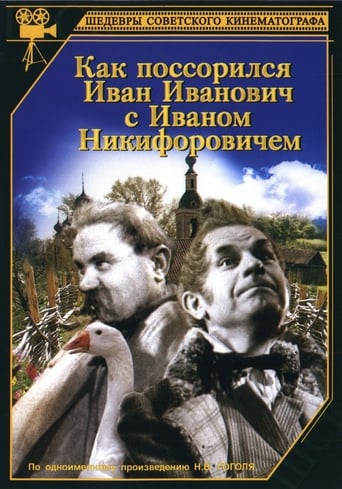
- Directed the 1941 adaptation of Gogol's 'How Ivan Ivanovich Quarreled with Ivan Nikiforovich'
Best Known For
Must-See Films
Working Relationships
Studios
Why They Matter
Impact on Culture
Kustov's contribution to Soviet cinema lies primarily in his role in adapting one of Nikolai Gogol's most famous satirical works for the screen. The adaptation of classic Russian literature was a significant cultural practice in the Soviet Union, serving both educational and entertainment purposes while reinforcing cultural heritage. His work helped preserve Gogol's biting social commentary for new generations of Soviet viewers, making the 19th-century satire relevant to contemporary audiences. The film itself represents the Soviet commitment to bringing literary masterpieces to the masses through the medium of cinema.
Lasting Legacy
Andrey Kustov's legacy, while limited in scope, represents the important tradition of literary adaptation in Soviet cinema. His 1941 film stands as a historical document of how classic Russian literature was interpreted and presented during this specific period of Soviet cultural history. The work serves as an example of the state-sponsored efforts to make Russia's literary canon accessible through film, contributing to the broader project of cultural education and preservation in the Soviet Union.
Who They Inspired
Due to the limited scope of Kustov's known directorial work, his direct influence on other filmmakers is difficult to trace. However, his participation in the tradition of literary adaptation places him within a broader movement of Soviet directors who worked to bridge the gap between classic literature and popular cinema. This approach influenced subsequent generations of Soviet and Russian filmmakers who continued to adapt literary works for the screen.
Off Screen
Very little personal information is available about Andrey Kustov in historical records or film databases. His brief appearance in Soviet cinema suggests he may have been primarily active in other areas of the film industry or had a career cut short by historical circumstances.
Did You Know?
- The film 'How Ivan Ivanovich Quarreled with Ivan Nikiforovich' was based on Nikolai Gogol's 1835 novella of the same name
- The film was released in 1941, the same year that Nazi Germany invaded the Soviet Union
- Soyuzdetfilm, the studio that produced the film, was specifically focused on children's and youth films
- Gogol's original work is considered one of the finest examples of Russian satire
- The film adaptation was part of a broader Soviet tradition of adapting classic Russian literature for cinema
Frequently Asked Questions
Who was Andrey Kustov?
Soviet on YTB.my. His career appears to have been brief, with this being his only known directorial credit.
What films is Andrey Kustov best known for?
Titles linked here include How Ivan Ivanovich Quarreled with Ivan Nikiforovich (1941).
When was Andrey Kustov born and when did he die?
Specific birth and death dates for Andrey Kustov are not readily available in historical records, reflecting the limited documentation of his career and life.
What awards did Andrey Kustov win?
There are no recorded awards or nominations for Andrey Kustov's work, which is not uncommon for directors with limited filmographies during this period of Soviet cinema.
What was Andrey Kustov's directing style?
Kustov's directing style reflected the classical Soviet approach to literary adaptation, focusing on faithfully bringing Gogol's satirical and comedic elements to the screen while making them accessible to contemporary Soviet audiences.