Yayoi Kawakami
Actor
Born: April 17, 1905 in Japan Active: 1925-1932 Birth Name: Yayoi Aida
Films
1 film
About Yayoi Kawakami
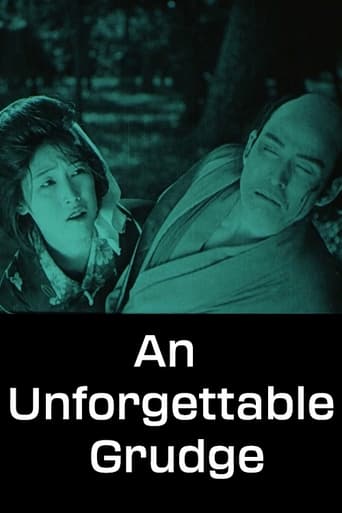
Yayoi Kawakami (born Yayoi Aida) was a prominent Japanese actress during the silent film era, primarily active in the mid-to-late 1920s. Born on April 17, 1905, she joined the Nikkatsu Taishogun Studio in 1925 at the age of 20, making her debut in films such as 'For Revenge' (Fukushu no Tameni). She quickly became a staple of Nikkatsu's period dramas (jidaigeki), often cast as the tragic heroine or the romantic interest of major stars like Denjirō Ōkōchi. Her most enduring contribution to cinema history is her role as Yukie in Daisuke Itō's 1926 masterpiece 'An Unforgettable Grudge' (Chōkon), a film celebrated for its revolutionary 'calligraphic' camera style. Throughout the late 1920s, she transitioned with the studio to the Nikkatsu Uzumasa Studio, appearing in numerous high-profile productions including 'The Sand Painting Spell' (Sunae Jubaku). Her career continued into the early sound era, with her last recorded screen appearance occurring in 1932 in 'The Crow of Kisoji' (Kisoji no Karasu). Although her later life remains largely undocumented, her work in the surviving fragments of silent-era classics ensures her place in the history of Japanese cinema.
The Craft
On Screen
Kawakami was known for her expressive and emotive acting style, which was essential for the silent era's visual storytelling. She often portrayed refined, stoic, yet emotionally vulnerable women in period dramas, a performance style that complemented the high-energy, 'calligraphic' directing style of Daisuke Itō. Her ability to convey deep tragic longing and romantic devotion made her a preferred leading lady for the era's most intense samurai melodramas.
Milestones
- Joined Nikkatsu Taishogun Studio in 1925
- Starred in the critically acclaimed 'An Unforgettable Grudge' (1926) directed by Daisuke Itō
- Collaborated with legendary actor Denjirō Ōkōchi in several early jidaigeki films
- Transitioned to Nikkatsu Uzumasa Studio in 1927
- Appeared in the popular 'Sunae Jubaku' (The Sand Painting Spell) film series (1927-1928)
- Maintained a steady career through the transition from silent to early talkie films until 1932
Best Known For
Iconic Roles
Must-See Films
Accolades
Special Recognition
- Recognized in the 1929 Japanese Actor Directory (Nihon Haiyu Meikan)
- Featured in the National Film Archive of Japan's digital restoration projects
Working Relationships
Worked Often With
Studios
Why They Matter
Impact on Culture
Vital part of the golden age of Japanese silent cinema, specifically the 'New Jidaigeki' movement. This movement, led by directors like Daisuke Itō, moved away from the slow, stage-like kabuki style of early films toward a more dynamic, cinematic, and socially conscious form of storytelling. As a leading lady in these films, Kawakami helped define the modern cinematic heroine in Japan—women who were central to the emotional and moral stakes of the narrative rather than mere background figures.
Lasting Legacy
Kawakami's legacy is preserved through the surviving fragments of her films, most notably the final reel of 'An Unforgettable Grudge.' This fragment is frequently studied by film historians as a pinnacle of silent film technique. Her presence in these films serves as a bridge between the traditional Japanese aesthetic and the modern cinematic language that would eventually influence global cinema. She remains a symbol of the artistic vibrancy of the Nikkatsu studios during the 1920s.
Who They Inspired
Her performances influenced the portrayal of women in the jidaigeki genre, moving toward a more naturalistic and psychologically complex representation. Future generations of Japanese actresses in period dramas looked to the stars of the 1920s Nikkatsu era for the foundational techniques of silent screen acting.
Off Screen
Kawakami's personal life was largely kept private, as was common for stars of the Taisho and early Showa eras. She was born Yayoi Aida and stood approximately 151 cm tall. Her career was closely tied to the Nikkatsu studio system, and she was a contemporary of other silent film stars like Sanehiro Namiki and Denjirō Ōkōchi.
Education
Information regarding her formal education is not publicly documented, though she received professional training within the Nikkatsu Studio system upon joining in 1925.
Did You Know?
- She was born in the same year as the famous director Nobuo Nakagawa (1905).
- Her stage name 'Yayoi' uses the traditional Japanese name for the month of March, though she was born in April.
- She appeared in over 30 films in a span of just seven years.
- The film 'An Unforgettable Grudge' was considered lost for decades before a single-reel fragment was rediscovered and restored.
- In her debut year (1925), she was already appearing in major productions alongside established stars.
- She was known for her petite stature, measuring about 5 feet tall (151 cm).
- Her final film, 'The Crow of Kisoji,' was released in July 1932.
Frequently Asked Questions
Who was Yayoi Kawakami?
Prominent Japanese actress of the silent film era, best known for her leading roles in Nikkatsu Studio's period dramas (jidaigeki) during the 1920s.
What films is Yayoi Kawakami best known for?
Titles linked here include An Unforgettable Grudge (Chōkon, 1926), The Sand Painting Spell (Sunae Jubaku, 1927).
When was Yayoi Kawakami active in the film industry?
Born April 17, 1905; died death date not listed.
What was Yayoi Kawakami's acting style?
She was known for a highly expressive and emotive style that suited the tragic and romantic themes of the 'New Jidaigeki' movement in Japanese cinema.
Which major director did Yayoi Kawakami frequently work with?
She frequently worked with the legendary director Daisuke Itō, who is often called the 'father of jidaigeki' for his innovative camera work and storytelling.