Films
1 film
About Marguerite Thévenard
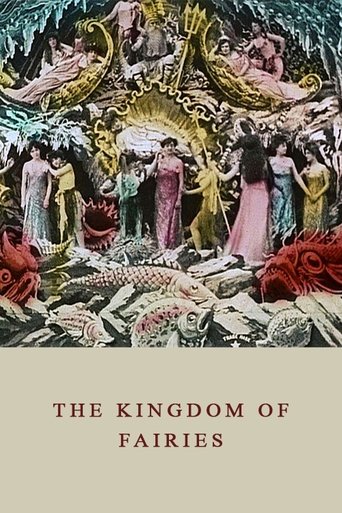
This archive lists one role for Marguerite Thévenard: The Kingdom of the Fairies (1903). She is known primarily for her role in Georges Méliès's fantastical film 'The Kingdom of the Fairies,' ambitious and elaborate productions of early cinema. As an actress in Méliès's Star Film company, Thévenard would have been part of the theatrical tradition that Méliès drew from for his cinematic productions, likely having experience in stage performance before transitioning to the new medium of film. Her appearance in 'The Kingdom of the Fairies' places her among the very first generation of film actors, working at a time when cinema was still establishing itself as an art form and when performers were often drawn from theatrical backgrounds. The film itself was a lavish production featuring fairies, demons, and magical transformations, requiring actors who could perform in the highly stylized manner characteristic of early cinema. Unfortunately, like many early film performers, detailed records of Thévenard's life and career are extremely limited, reflecting the nascent state of film documentation and recognition during this period.
The Craft
On Screen
As an actress in Georges Méliès's films, Thévenard would have employed the highly theatrical, exaggerated acting style typical of early cinema, where broad gestures and expressive movements were necessary to convey emotion and story in silent films. This style was inherited from stage traditions and was essential for audiences to understand the narrative without dialogue.
Milestones
- Appeared in Georges Méliès's 'The Kingdom of the Fairies' (1903)
Best Known For
Iconic Roles
Must-See Films
Working Relationships
Worked Often With
Studios
Why They Matter
Impact on Culture
Marguerite Thévenard's contribution to cinema, while small in scope, represents the important role of actors in establishing the visual language of film during its earliest years. As a performer in Georges Méliès's work, she participated in creating some of the first narrative films that demonstrated cinema's potential for storytelling and spectacle. Her work in 'The Kingdom of the Fairies' helped establish the fantasy genre in film, showing how magical and fantastical stories could be brought to life through the new medium of motion pictures.
Lasting Legacy
Marguerite Thévenard's legacy is tied to the preservation and study of early cinema history. While she may not be a household name, her appearance in one of Georges Méliès's most ambitious films ensures her place in the historical record of cinema's development. She represents the countless anonymous or little-known performers who helped establish the foundation of film acting during cinema's formative years.
Who They Inspired
As an early film actress, Thévenard's influence would have been primarily in helping establish the conventions of silent film acting that would evolve and be refined by subsequent generations of performers. Her work in Méliès's fantasy films contributed to the development of acting techniques specifically suited to the unique demands of cinema versus theater.
Off Screen
Very little is known about Marguerite Thévenard's personal life, which was typical for many early film actors who worked before the era of celebrity culture and detailed film documentation. Like many performers of her era, she may have had a background in theater before transitioning to the new medium of cinema.
Did You Know?
- Marguerite Thévenard appeared in cinema during its very infancy, just 8 years after the first public film screenings in 1895
- Her only known film appearance was in 'The Kingdom of the Fairies,' which was
- The film she appeared in was approximately 13 minutes long, which was unusually lengthy for films of 1903
- Georges Méliès's films, including 'The Kingdom of the Fairies,' were hand-colored frame by frame, making each print unique
- Like many early film actors, Thévenard likely performed multiple roles within the same film due to limited cast sizes
- The film she appeared in was a direct adaptation of a stage pantomime popular in French theaters
- Early film actors like Thévenard often worked without screen credit, as the concept of film stardom had not yet developed
- The film was an international success and was among Méliès's works pirated by American producers like Thomas Edison
Frequently Asked Questions
Who was Marguerite Thévenard?
Screen credits include early cinema, best known for her role in Georges Méliès's 1903 film 'The Kingdom of the Fairies.' She was one of the actors who worked during the very beginning of the film industry.
What films is Marguerite Thévenard best known for?
Titles linked here include The Kingdom of the Fairies (1903).
When was Marguerite Thévenard born and when did she die?
Unfortunately, specific birth and death dates for Marguerite Thévenard are not known, which is common for many early film actors from this period. She was active in 1903, placing her among the very first generation of film performers.
What awards did Marguerite Thévenard win?
Marguerite Thévenard did not receive any formal awards or recognition during her career, as the concept of film awards did not exist in 1903. The first Academy Awards were not presented until 1929, more than two decades after her film appearance.
What was Marguerite Thévenard's acting style?
Like all actors in early silent films, Thévenard would have used highly theatrical and exaggerated acting techniques with broad gestures and expressive movements. This style was necessary to convey emotion and story clearly to audiences without the benefit of synchronized sound.
Who did Marguerite Thévenard work with?
Marguerite Thévenard worked with Georges Méliès, one of cinema's earliest and most innovative directors. She was part of his Star Film company, which produced some of the most imaginative and technically advanced films of the early 1900s.
Why is so little known about Marguerite Thévenard?
The limited information about Marguerite Thévenard reflects the nascent state of film documentation and celebrity culture in 1903. Early cinema did not maintain detailed records of performers, and many actors of this era were not considered celebrities in the modern sense.