Films
1 film
About Anna Clark
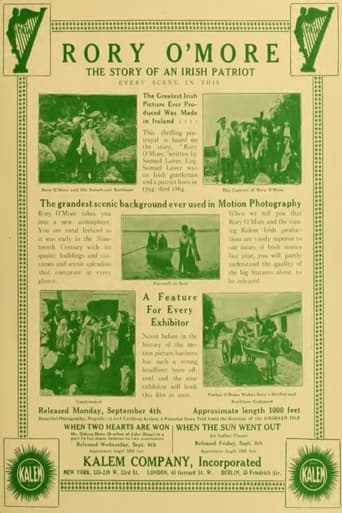
This archive lists one role for Anna Clark: Rory O'More (1911). Her known filmography consists of a single appearance in the 1911 production 'Rory O'More,' a silent drama based on Irish themes that was typical of the period's storytelling preferences. Working during the transitional period when cinema was evolving from short novelty films to more substantial narrative features, Clark was part of the first generation of film actors who helped establish the medium's artistic potential. Like many performers of this era, her career was brief and largely undocumented, reflecting the transient nature of early film work before the studio system was fully established. The lack of extensive records about her career is not uncommon for actors from this period, as many early film performers have been lost to history due to poor documentation and the ephemeral nature of their work in the rapidly evolving film industry.
The Craft
Milestones
- Appeared in 'Rory O'More' (1911) during the early silent film era
Best Known For
Must-See Films
Why They Matter
Impact on Culture
Anna Clark represents the countless anonymous performers who contributed to the development of early cinema during its formative years. While her individual impact may be difficult to trace due to the limited documentation of her career, she was part of the foundational generation of actors who helped establish film as a legitimate artistic medium. Her appearance in 'Rory O'More' places her within the context of early American filmmaking, when the industry was still experimenting with narrative techniques and performance styles that would later become standard in cinema.
Lasting Legacy
The legacy of Anna Clark is primarily historical, serving as a reminder of the many forgotten performers who participated in cinema's earliest days. Like numerous actors from the silent era's first decade, her contribution to film history exists mainly as part of the broader tapestry of early American cinema rather than as a distinct, well-documented career. Her story illustrates the transient nature of early film work and the challenges of preserving the memories of those who helped build the foundation of the movie industry.
Who They Inspired
Due to the extremely limited scope of her known film work, Anna Clark's influence on subsequent generations of performers cannot be specifically determined. However, as an early film actress, she was part of the generation that helped establish the basic conventions of screen acting that would evolve and be refined by later performers. Her brief career exemplifies the experimental and often temporary nature of early film employment, which nonetheless contributed to the medium's development.
Off Screen
Very little personal information is available about Anna Clark, which is typical for actors from the earliest days of cinema. Her brief appearance in the film industry during 1911 suggests she may have been one of many performers who tried their hand at the new medium of motion pictures but did not pursue it as a long-term career. The lack of documented personal details reflects the limited record-keeping and public interest in the private lives of film actors during this period of cinema history.
Did You Know?
- Anna Clark's entire known film career consists of a single film appearance in 1911
- Her only known film 'Rory O'More' was part of the early wave of narrative silent films
- She was active during the same period when feature-length films were beginning to emerge
- Like many early film actors, she likely worked before the studio system was fully established
- Her career predates the Hollywood star system that would later make actors household names
- The lack of extensive records about her is typical for performers from this era of cinema
- She represents the countless anonymous performers who contributed to early film history
Frequently Asked Questions
Who was Anna Clark?
Screen credits include the 1911 film 'Rory O'More.' Her career was extremely brief, consisting of only this single known appearance during the days of American cinema.
What films is Anna Clark best known for?
Titles linked here include Rory O'More (1911).
When was Anna Clark born and when did she die?
Specific birth and death dates for Anna Clark are not documented in available historical records, which is common for many performers from the earliest days of silent cinema.
What awards did Anna Clark win?
Anna Clark did not receive any documented awards or nominations, which is typical for actors from this very early period of cinema before formal award systems were established.
What was Anna Clark's acting style?
Due to the limited documentation of her career and the loss of most films from this era, Anna Clark's specific acting style cannot be determined. She would have worked within the conventions of early silent film performance.
Why is so little known about Anna Clark?
The scarcity of information about Anna Clark reflects the broader challenge of documenting early film history. Many performers from this period have been lost to history due to poor record-keeping, the transient nature of early film work, and the loss of films from this era.
What was the film 'Rory O'More' about?
'Rory O'More' (1911) was an early silent film with Irish themes, typical of the period's interest in dramatic stories based on literary or historical subjects. Unfortunately, like many films from this era, it may be lost to history.