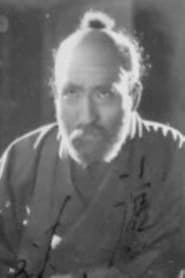
Yuzuru Kume
Actor
Born: November 29, 1899 in Japan Died: 1945 Active: 1926-1940 Birth Name: Toraji Orikuchi
Films
1 film
About Yuzuru Kume
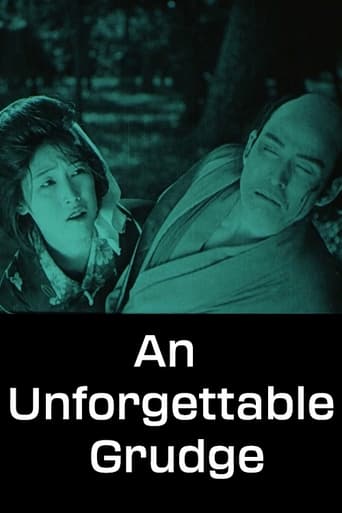
Prominent Japanese character actor: the critical transition from silent cinema to the early sound era. Born in 1899, he became a fixture of the Nikkatsu Taishogun studio, often collaborating with visionary directors like Daisuke Ito. He is best remembered for his role as Tsugio Iki in the 1926 masterpiece 'An Unforgettable Grudge' (Chokon), where he played the blinded younger brother of the protagonist. Throughout the late 1920s and 1930s, Kume established himself as a versatile supporting actor in jidai-geki (period dramas), frequently appearing alongside legends like Denjiro Okochi. His career was marked by a steady output of historical films that helped define the 'new style' of samurai cinema, which emphasized emotional realism and dynamic action. Kume continued to work through the early 1940s before his death in 1945, leaving behind a filmography that serves as a vital record of pre-war Japanese cinematic artistry.
The Craft
On Screen
Kume was known for a restrained and empathetic acting style, often playing vulnerable or secondary characters that provided emotional weight to the narrative. In 'An Unforgettable Grudge,' he utilized physical performance to convey the tragedy of a character who had lost his sight, a role that required a departure from the more stylized, Kabuki-influenced movements common in earlier silent films.
Milestones
- Starred in the landmark silent film 'An Unforgettable Grudge' (1926) directed by Daisuke Ito
- Became a key supporting player at Nikkatsu Taishogun studio during the Golden Age of silent jidai-geki
- Collaborated with the influential director Daisuke Ito on several early career-defining works
- Successfully transitioned from silent films to talkies in the early 1930s
- Appeared in the epic 'Junkyo Kesshi: Nippon Niju Roku Seijin' (1931) about the 26 Martyrs of Japan
Best Known For
Iconic Roles
Must-See Films
Accolades
Special Recognition
- Recognized in the National Film Archive of Japan for his contributions to early silent cinema
- Featured in the 2011 digital restoration showcase of 'An Unforgettable Grudge' at various international film festivals
Working Relationships
Worked Often With
Studios
Why They Matter
Impact on Culture
Yuzuru Kume was part of the revolutionary wave of Japanese cinema that moved away from the static, stage-like presentations of the early 1920s toward a more cinematic and kinetic 'modern' jidai-geki. His work in 'An Unforgettable Grudge' is particularly significant as it is one of the few surviving examples of the 'calligraphic' style of filmmaking that utilized rapid editing and dynamic camera movement to express character psychology.
Lasting Legacy
Kume's legacy is preserved through the surviving fragments of his silent work, which are studied by film historians as essential pieces of the puzzle in understanding the evolution of Japanese action cinema. He represents the reliable, high-quality character acting that allowed the stars of the era to shine, providing the necessary dramatic foil in complex historical narratives.
Who They Inspired
His portrayal of tragic, physically impaired, or morally conflicted characters influenced the archetype of the 'suffering brother' or 'loyal companion' in later samurai films, moving the genre toward greater humanism.
Off Screen
Kume was born Toraji Orikuchi and operated under several stage names throughout his career, including Asao Kumejiro and Kumenishi Yuzuru. Little is documented about his private family life, as was common for character actors of the era, but he was a dedicated professional within the Nikkatsu studio system until his death at the end of World War II.
Education
Trained in traditional Japanese theater before transitioning to the burgeoning film industry in the 1920s.
Did You Know?
- He used the stage name Asao Kumejiro early in his career.
- The film 'An Unforgettable Grudge' is mostly lost; only the final reel containing Kume's performance survives.
- He was a contemporary of the legendary Tsumasaburo Bando and worked in the same studio circles.
- His real name, Toraji Orikuchi, is often cited in historical studio records of the Nikkatsu Corporation.
- He died in 1945, the same year World War II ended, which marked a major turning point and loss for the pre-war film community.
In Their Own Words
The title 'Chokon' means a grudge that one cannot forget, and we felt that weight in every scene we filmed. (Attributed context: Regarding the emotional intensity of his most famous film)
Frequently Asked Questions
Who was Yuzuru Kume?
Japanese with credits in this catalog. He is best known for his supporting roles in samurai films (jidai-geki) produced by the Nikkatsu studio.
What is Yuzuru Kume's most famous film?
His most famous work is 'An Unforgettable Grudge' (Chokon), directed by Daisuke Ito in 1926. Although only a fragment of the film survives today, it is considered a masterpiece of silent cinema.
When was Yuzuru Kume born and when did he die?
Born November 29, 1899; died 1945.
What was Yuzuru Kume's acting style?
Kume was known for a naturalistic and emotionally grounded acting style. He often played characters with physical or emotional burdens, moving away from the exaggerated gestures of traditional theater.
Did Yuzuru Kume use any other names?
Yes, he was also known by his birth name Toraji Orikuchi and stage names such as Asao Kumejiro and Kumenishi Yuzuru.