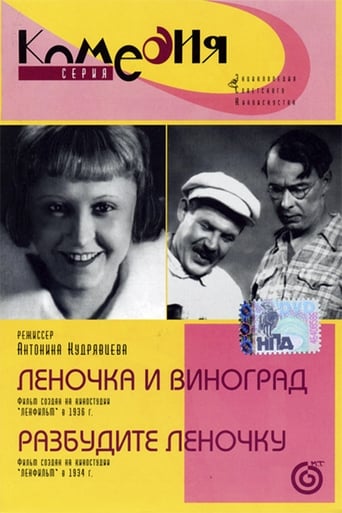
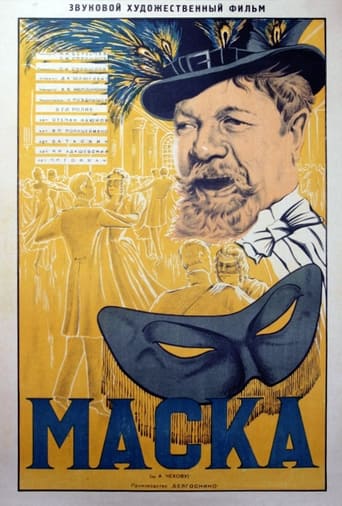
Films
2 films
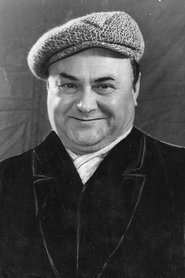
About Pyotr Gofman
Soviet actor active during the mid-1930s, appearing in at least two known films during this period. His career coincided with the establishment of socialist realism as the dominant artistic style in Soviet cinema. While detailed biographical information about Gofman is scarce in historical records, his filmography suggests he was part of the Soviet film industry during a transformative era when cinema was being used as a tool for ideological education. His appearances in 'Helen and Grapes' (1936) and 'Маска' (1938) place him within the context of Soviet cinema's second golden age. The brevity of his known film career may reflect either a short professional life, limited opportunities, or incomplete historical documentation of his work. Like many actors of this period in Soviet cinema, his contributions have been largely overlooked in Western film scholarship.
The Craft
Milestones
- Appeared in 'Helen and Grapes' (1936)
- Starred in 'Маска' (1938)
Best Known For
Must-See Films
Why They Matter
Impact on Culture
Pyotr Gofman represents the many working actors of Soviet cinema during the Stalin era whose contributions, while not widely recognized, formed the backbone of the film industry. His participation in films during 1936-1938 places him within a critical period when Soviet cinema was consolidating its ideological and artistic direction under socialist realism. The limited documentation of his career reflects broader challenges in preserving the complete history of Soviet film production, especially for actors who were not major stars. His work, like that of many contemporaries, contributed to the cultural landscape of the Soviet Union during a time when cinema served as both entertainment and political education.
Lasting Legacy
Pyotr Gofman's legacy is primarily preserved through his surviving film appearances, which serve as historical artifacts of Soviet cinema in the mid-1930s. While not a widely recognized figure in film history, his work contributes to our understanding of the breadth of talent working in the Soviet film industry during this period. His films remain important documents for scholars studying the evolution of Soviet cinema and the implementation of socialist realism in film. The scarcity of information about him highlights the need for further research into the lives and careers of lesser-known actors who played vital roles in their national film industries.
Who They Inspired
Due to the limited documentation of Pyotr Gofman's career and the brevity of his known filmography, there is insufficient information to determine his specific influence on other actors or directors. However, as a working actor during this formative period of Soviet cinema, he would have been part of the professional ecosystem that helped establish acting conventions and practices aligned with socialist realist aesthetics.
Off Screen
Very little information is available about Pyotr Gofman's personal life, which is common for many supporting actors from the Soviet cinema of the 1930s whose records were not extensively preserved or documented.
Did You Know?
- Pyotr Gofman's known filmography spans only two years, from 1936 to 1938
- One of his films, 'Маска' (1938), has a Cyrillic title, confirming his work in Soviet cinema
- His career coincided with the height of Stalin's purges, which affected many in the Soviet film industry
- The 1930s was a period when Soviet cinema was transitioning to sound technology
- Like many Soviet actors of this era, his biographical details remain largely undocumented in Western sources
Frequently Asked Questions
Who was Pyotr Gofman?
Soviet with credits in this catalog. He was part of the Soviet film industry during the era when socialist realism became the dominant artistic style.
What films is Pyotr Gofman best known for?
Titles linked here include Helen and Grapes (1936), Маска (1938).
When was Pyotr Gofman born and when did he die?
Unfortunately, specific birth and death dates for Pyotr Gofman are not available in historical records, which is common for many supporting actors from Soviet cinema of this period.
What awards did Pyotr Gofman win?
There are no documented awards or nominations for Pyotr Gofman, which may reflect either his status as a supporting actor or the incomplete preservation of Soviet cinema records from this era.
What was Pyotr Gofman's acting style?
Due to limited documentation and the scarcity of his surviving work, specific details about Pyotr Gofman's acting style are not known. As a Soviet actor in the 1930s, he likely worked within the conventions of socialist realism.
Why is so little known about Pyotr Gofman?
The limited information about Pyotr Gofman reflects broader challenges in documenting the complete history of Soviet cinema, especially for actors who were not major stars. Many records from this period were lost, incomplete, or never thoroughly documented.