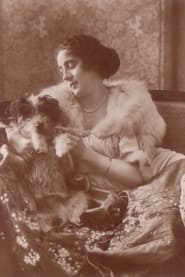
Martha Novelly
Actor
- Active
- 1918-1918
Films 1
About Martha Novelly
Martha Novelly appears to have been a very obscure screen performer from the silent-film era, with surviving film reference material linking her to the 1918 German-language film Die Liebe der Maria Bonde. At present, publicly accessible reference sources provide almost no verified biographical detail about her life, background, or later career, which suggests that she may have been a very minor or short-lived screen presence. The available evidence indicates activity in 1918 only, and no reliable record has been found that confirms additional film appearances, stage work, or later professional activity. Because of the scarcity of documentation, it is not possible to reconstruct her career arc with confidence beyond the single credited film. Her name survives primarily through filmography listings rather than through extensive contemporary press coverage or later historical profiles. As a result, Martha Novelly is best understood as one of the many lesser-documented performers of early cinema whose contribution is preserved in fragments. Further archival research in period trade journals, studio records, or national film archives would be necessary to establish a fuller biography.
More about Martha Novelly
In film history
Martha Novelly's cultural impact is difficult to measure because her surviving footprint in cinema history is extremely small. She is nevertheless part of the historical record of silent-era filmmaking, representing the many performers whose work contributed to early screen production but who were not widely documented in later film scholarship. Her presence in a 1918 feature underscores the international and multilingual dimensions of early cinema, where performers often moved across regional film industries and left only partial archival traces. In that sense, her significance lies less in fame than in the broader historiographic value of preserving names and credits from the silent period.
Later reputation
Her legacy is primarily archival: she remains a named participant in early film history, preserved through film listings and historical databases. For modern researchers, figures like Martha Novelly are important because they illustrate how much of silent cinema depended on performers whose careers were not fully recorded or later celebrated. Her surviving credit helps complete the historical record of Die Liebe der Maria Bonde and the era in which it was made. Beyond that, there is currently no evidence of a broader public legacy.
Influence
There is no verifiable evidence that Martha Novelly had a documented influence on later actors or filmmakers. Because so little is known about her professional work, any claims about artistic influence would be speculative. Her main historical importance is as part of the cast records of silent-era cinema, which can aid scholars reconstructing production histories and performance networks. In that limited sense, she contributes to the larger understanding of early screen acting and cast documentation.
Off screen
No verified information is currently available regarding Martha Novelly's personal life, including family background, marriages, children, or later activities. No reliable contemporary or archival source located in standard reference material provides biographical data beyond her screen credit. As a result, any speculation about her private life would be unsupported. Researchers would need to consult original production documents, civil records, or period newspapers to learn more.
Credits
- Credited with appearing in Die Liebe der Maria Bonde (1918)
- Represents a documented example of an obscure silent-era performer whose work survives in filmographic records
- Associated with German-language early cinema through a 1918 screen credit
Roles
- Role in Die Liebe der Maria Bonde (1918) is the only known screen role currently documented
Films
- Die Liebe der Maria Bonde (1918)
Notes
- Martha Novelly is currently documented primarily through a single film credit.
- Her known filmography places her in the silent-film era of 1918.
- Die Liebe der Maria Bonde is a German-language title, indicating a connection to early European cinema.
- No confirmed birth or death dates are readily available in standard reference sources.
- No verified record of additional acting credits has been found in the available information.
- Her obscurity is typical of many minor performers from the silent era whose careers were not fully preserved.
- She is more visible to film historians than to general audiences because of archival film listings.
Questions
Who was Martha Novelly?
Martha Novelly was a little-documented silent-era actor known from filmographic records rather than from extensive biographical coverage. The only currently identified screen credit tied to her is Die Liebe der Maria Bonde (1918).
What films is Martha Novelly best known for?
She is best known for Die Liebe der Maria Bonde (1918), which is the only reliably documented film currently associated with her. No other confirmed titles are presently available from standard reference sources.
When was Martha Novelly born and when did she die?
Her birth and death dates are not currently verified in available reference material. Because of the limited surviving documentation, both details remain unknown.
What awards did Martha Novelly win?
No awards or formal honors are currently documented for Martha Novelly. This is not unusual for minor silent-era performers whose careers were only partially recorded.
What was Martha Novelly's acting style?
Her acting style cannot be reliably described because no detailed reviews or performance analyses are currently available. Since she worked in silent cinema, any on-screen performance would have relied on gesture, expression, and visual storytelling, but specifics about her technique are not documented.
What is Martha Novelly's legacy in film history?
Her legacy is mainly archival and historical rather than fame-based. She survives as part of the documented cast of an early 1918 film, helping preserve the record of silent cinema's many lesser-known contributors.