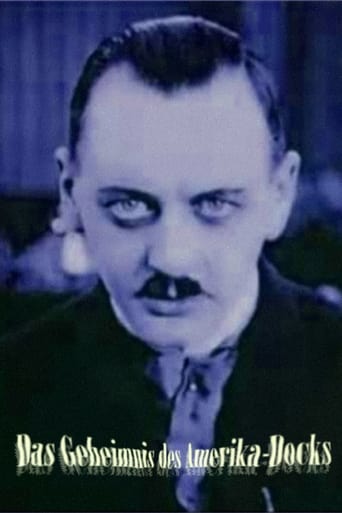
Carl Grünwald
Actor
- Active
- 1919-1919
Films 1
About Carl Grünwald
Carl Grünwald is a documented but extremely obscure silent-era screen performer whose surviving film record is limited. The available evidence places him in the cast of the 1919 film The Secret of the American Docks, but detailed biographical information about his life, training, and later career has not been preserved in readily accessible historical sources. Because the silent-film era often left incomplete documentation, especially for minor or supporting players, it is difficult to reconstruct a fuller portrait of his career with confidence. He appears to have worked during the late silent period, at a time when many European names were anglicized or inconsistently credited, which can further complicate identification in archival records. No reliable sources in the standard classic-cinema reference landscape provide verified data on his birth, death, family background, or additional screen appearances. As a result, Carl Grünwald is best understood as a minor but real participant in early film history whose surviving credit reflects the fragmented nature of silent-era documentation. Researchers interested in him would likely need to consult production records, trade journals, and regional film archives to determine whether he appeared in additional films under variant spellings or in uncredited roles.
More about Carl Grünwald
In film history
Carl Grünwald's cultural impact is best understood at the level of film-historical documentation rather than celebrity influence. As an actor with a surviving credit from 1919, he contributes to the broader mosaic of silent cinema, where thousands of performers helped build national film industries even when their names did not remain widely remembered. His presence in surviving cast records underscores how much of early cinema depended on actors whose work has been only partially preserved. In that sense, he is representative of the many artists whose contributions are visible in filmographies but invisible in mainstream histories.
Later reputation
His legacy lies in archival significance: he is one of the many names that remind researchers how incomplete the record of silent cinema remains. Even a single confirmed credit can be valuable for historians trying to map production networks, cast lists, and performance practices in the years after World War I. Carl Grünwald's name surviving in connection with The Secret of the American Docks means he remains part of the historical record, even if the details of his life have been lost. For film scholars, such figures are important because they highlight both the richness and the fragility of early cinema history.
Influence
There is no verified evidence that Carl Grünwald directly influenced later actors or directors in a documented, traceable way. His influence is therefore indirect and historical: he stands as one of many working performers whose participation helped sustain silent-era filmmaking. In a broader sense, his surviving credit contributes to modern understanding of ensemble casting and the international labor pool that shaped early European film production. If further archival discoveries surface, his place in film history could become more specific, but at present no direct line of influence can be responsibly claimed.
Off screen
No reliable biographical record has been located that documents Carl Grünwald's personal life, including marriages, family background, residence, or later years. For many silent-era performers with only one or a few surviving credits, personal details were never widely published or have been lost through incomplete archival survival. At present, there is no verified information about his relationships, household, or post-film career. Because of the lack of dependable source material, any claims about his private life would be speculative.
Credits
- Appeared in the 1919 silent film The Secret of the American Docks
- Represents the type of lesser-documented performer working in European or transnational silent cinema during the post-World War I period
- Surviving credit places him in film history despite very limited biographical preservation
Films
Notes
- Carl Grünwald is known from surviving film records, but not from a substantial biographical profile in standard reference sources.
- His documented screen activity is limited to 1919, making him an especially elusive figure for historians.
- The spelling of his surname with an umlaut may complicate archival searches and database matching.
- He is associated with The Secret of the American Docks, a title that reflects the international flavor of many postwar silent productions.
- Like many minor silent-era performers, he may have appeared in additional productions under variant spellings or uncredited roles that have not yet been firmly identified.
- His surviving credit is useful to researchers studying cast lists, incomplete filmographies, and lost or obscure cinema documentation.
- The lack of preserved biographical information is itself typical of many lesser-known actors of the silent era.
Questions
Who was Carl Grünwald?
Carl Grünwald was a silent-era actor known from the 1919 film The Secret of the American Docks. Beyond that surviving credit, very little verified biographical information has been preserved in accessible historical sources.
What films is Carl Grünwald best known for?
He is primarily associated with The Secret of the American Docks (1919). No other confirmed screen credits are readily documented in standard classic-cinema references.
When was Carl Grünwald born and when did he die?
His birth and death dates are not currently verified in available reference sources. The surviving record identifies him as a film actor active in 1919, but not enough biographical data has been preserved to establish his vital statistics confidently.
What awards did Carl Grünwald win?
No awards or formal honors are currently documented for Carl Grünwald. This is not unusual for minor performers from the silent era, many of whom worked before modern award systems were established or before extensive records were kept.
What was Carl Grünwald's acting style?
No contemporary review or surviving performance analysis has been located that describes his individual acting style. As a silent-era performer, he would have worked in the expressive visual idiom typical of the period, but any more specific assessment would be speculative.
What is Carl Grünwald's legacy in film history?
His legacy is primarily archival: he is part of the historical fabric of early cinema through a surviving 1919 credit. Even obscure names like his matter because they help historians reconstruct the cast networks and production culture of silent film.