Pyotr Malakhov
Director
- Active
- 1937-1937
Films directed 1
About Pyotr Malakhov
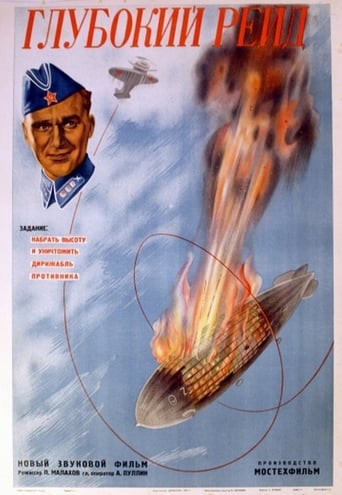
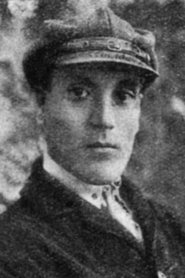
Pyotr Malakhov appears to have been a Soviet-era film director whose surviving screen credit is associated with the 1937 production Deep Raid. Because he is an extremely obscure classic-cinema figure, there is very little reliably documented biographical information available in widely accessible English-language film references. What can be stated with confidence is that he was active at least in 1937, during a period when Soviet cinema was heavily shaped by state institutions, militarized themes, and the aesthetic legacy of montage and collective heroism. His known work suggests involvement in historical, military, or adventure material typical of late-1930s Soviet screen production. No widely verifiable record of his broader filmography, training, personal life, or later career has been readily established in standard reference sources. As a result, his place in film history is best understood as that of a little-documented contributor to early Soviet cinema rather than a major internationally documented auteur. Further archival research in Russian-language film catalogs, studio records, or period trade publications would likely be necessary to reconstruct a fuller biography.
More about Pyotr Malakhov
Behind the camera
His directing style cannot be documented in detail from accessible sources, but his surviving credit places him in the Soviet film system of the 1930s, where direction often emphasized collective action, ideological clarity, strong visual composition, and narratives aligned with state priorities. If Deep Raid is representative of his work, his approach likely reflected the prevailing Soviet preference for disciplined pacing, purposeful storytelling, and themes of military or civic struggle. However, without surviving criticism, production notes, or multiple credited films, any more specific description would be speculative.
In film history
Pyotr Malakhov's cultural impact is difficult to measure because so little of his career is documented in accessible sources. Even so, his credit on a 1937 Soviet film places him within one of the most influential national cinemas of the early twentieth century, a film culture that helped define political filmmaking, montage traditions, and the use of cinema as an instrument of state narrative. Directors working in the Soviet Union during this era contributed to a body of work that shaped world cinema far beyond the boundaries of their own individual fame. Malakhov's significance is therefore historical as much as personal: he represents the many working filmmakers whose labor supported the Soviet screen apparatus even when their names did not become internationally prominent. His legacy lies primarily in the archival record. For database and research purposes, documenting obscure filmmakers like Malakhov helps preserve the fuller ecosystem of classic cinema, including the directors whose films may survive only in fragments of filmographies or national catalogs. Such figures are important because they reveal how broad and collaborative the classic studio and state production systems were. Even with minimal surviving detail, his credited work is part of the foundation on which historians build a more complete picture of Soviet film production in the 1930s.
Later reputation
Pyotr Malakhov's lasting legacy is the limited but important evidence of his participation in early Soviet cinema. He is remembered, insofar as the record permits, as the director of Deep Raid (1937), which places him within the historical development of Soviet screen production during a politically charged decade. For historians, figures like Malakhov matter because they broaden the view beyond the best-known auteurs and reveal the many lesser-documented professionals who kept national cinemas functioning. His legacy is therefore archival and contextual: he is part of the wider fabric of classic cinema history, even if his individual artistry cannot yet be fully reconstructed.
Influence
Direct influence cannot be confidently documented due to the lack of accessible biographical and critical material. At a broader level, any Soviet director of his period would have operated within a powerful cinematic tradition shaped by earlier innovators such as Eisenstein, Pudovkin, and Dovzhenko, and his work would likely have been influenced by the aesthetic and ideological norms they helped establish. Whether Malakhov himself influenced later filmmakers is currently unknown, but his presence in the historical record supports research into the production networks and stylistic continuity of 1930s Soviet film culture.
Off screen
No reliably verifiable information about Pyotr Malakhov's personal life has been established in accessible classic-cinema reference sources. His marriages, family background, education, and later life remain undocumented in the material currently available. This is not unusual for lesser-known Soviet film personnel from the 1930s, many of whom left sparse traces in English-language archives. Any attempt to identify family relationships or private biography would require direct consultation of Russian archival sources or period records.
Credits
- Directed Deep Raid (1937)
- Worked as a film director during the late Stalin-era Soviet cinema period
- Contributed to early Soviet screen culture in an era of state-directed filmmaking
Films
- Deep Raid (1937)
Notes
- Pyotr Malakhov is primarily identifiable through a single surviving directing credit in widely accessible film sources.
- His known film Deep Raid was released in 1937, placing him in the late pre-World War II Soviet cinema period.
- He should not be confused with other individuals who have similar Slavic names in film history or unrelated professions.
- Because he is obscure in English-language references, many standard biographical fields remain undocumented.
- His example illustrates how many directors from early national cinemas remain underrepresented in international databases.
- The absence of detailed biographical data does not necessarily mean he was unimportant; it often reflects archival loss or limited translation into English.
- His work belongs to a period when Soviet films often blended dramatic storytelling with ideological and collective themes.
Questions
Who was Pyotr Malakhov?
Pyotr Malakhov was a little-documented Soviet film director known from surviving references chiefly for directing Deep Raid (1937). He appears to have worked during the late 1930s Soviet cinema period, but detailed biographical information is scarce in widely accessible sources.
What films is Pyotr Malakhov best known for?
He is best known for Deep Raid (1937), which is the principal film credit associated with his name in accessible film references. No broader filmography is currently well established in English-language databases.
When was Pyotr Malakhov born and when did he die?
His birth and death dates are not reliably documented in the sources available for this compilation. The surviving public record is too limited to confirm either date or place.
What awards did Pyotr Malakhov win?
No awards or official honors have been reliably documented for Pyotr Malakhov in accessible reference sources. This may reflect the obscurity of his surviving record rather than the absence of recognition in his own era.
What was Pyotr Malakhov's directing style?
His directing style cannot be described in detail from the limited surviving record. Based on the period and national context, it likely aligned with 1930s Soviet filmmaking, which often stressed collective action, ideological clarity, and strong visual storytelling.
What is Pyotr Malakhov's legacy in film history?
His legacy is mainly historical and archival: he represents one of the many lesser-known directors who contributed to Soviet cinema in the 1930s. Even when individual details are sparse, such figures are important to preserving a fuller and more accurate history of classic cinema.