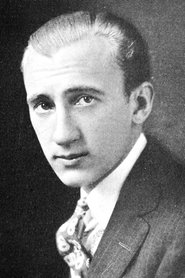
Vernon Castle
Actor
Born: May 2, 1887 in Norwich, Norfolk, England Died: February 15, 1918 Active: 1911-1918 Birth Name: Vernon William Blyth
Films
1 film
About Vernon Castle
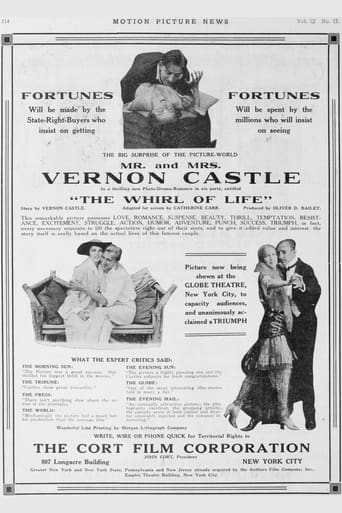
Renowned dancer, choreographer, and actor who rose to international fame in the early 1910s as one half of the dancing duo Vernon and Irene Castle. Born Vernon William Blyth in England, he immigrated to the United States where he met and married Irene Foote, forming a partnership that would revolutionize social dancing in America. The Castles introduced and popularized numerous dances including the foxtrot, Castle Walk, and tango to American audiences, transforming ballroom culture and setting trends that would last decades. Their immense popularity led to numerous stage performances, dance instruction studios, and film appearances, most notably in 'The Whirl of Life' (1915), which showcased their dancing talents on screen. Beyond entertainment, Vernon served as a pilot in the Royal Flying Corps during World War I, tragically dying in a training accident in 1918 at the age of 30. His influence on dance and popular culture was profound, with the Castles becoming symbols of elegance and sophistication during the ragtime era. Their story was later memorialized in the 1939 film 'The Story of Vernon and Irene Castle' starring Fred Astaire and Ginger Rogers.
The Craft
On Screen
As an actor, Vernon Castle's style was natural and charismatic, primarily serving as a vehicle to showcase his exceptional dancing abilities. His screen presence in 'The Whirl of Life' was characterized by elegant movements, refined manners, and a sophisticated demeanor that reflected his real-life persona as a gentleman dancer. Rather than employing dramatic acting techniques, Castle focused on embodying the grace and charm that made him and Irene beloved by audiences worldwide.
Milestones
- Formation of the dancing duo Vernon and Irene Castle (1911)
- Introduction and popularization of the foxtrot to American audiences
- Opening of Castle House, their famous dance studio in New York (1914)
- Starred in 'The Whirl of Life' (1915), their feature film debut
- Published best-selling dance instruction books and manuals
- Performed for royalty and high society across Europe and America
- Served as a pilot in the Royal Flying Corps during WWI
Best Known For
Iconic Roles
Must-See Films
Accolades
Special Recognition
- Inducted into the International Dance Hall of Fame
- The Castles' dance innovations preserved in the Library of Congress
- Featured in numerous dance history exhibitions and museums worldwide
Working Relationships
Worked Often With
Studios
Why They Matter
Impact on Culture
Vernon Castle, alongside his wife Irene, fundamentally transformed American social dancing and popular culture in the 1910s. They introduced a more natural, flowing style of movement that replaced the rigid, formal dances of the Victorian era. Their influence extended beyond dance to fashion, with Irene's bobbed hairstyle and Vernon's tailored suits becoming style statements. The Castles made dancing socially acceptable and fashionable for the middle class, democratizing what had been primarily an upper-class activity. Their performances helped bridge cultural gaps between Europe and America, introducing European dances to American audiences while adding their own innovations. The couple's elegance and sophistication set new standards for entertainment, influencing everything from Broadway shows to Hollywood musicals for decades to come.
Lasting Legacy
Vernon Castle's legacy endures through his lasting impact on dance and popular culture. The dances he helped popularize, particularly the foxtrot, remain staples of ballroom dancing today. His approach to dance as both art form and social activity influenced generations of dancers and instructors. The story of Vernon and Irene Castle has been immortalized in books, documentaries, and films, most notably the 1939 Fred Astaire and Ginger Rogers movie 'The Story of Vernon and Irene Castle.' Dance historians recognize the Castles as pivotal figures who helped define the transition from Victorian to modern social dancing. Their name remains synonymous with elegance, innovation, and the golden age of ballroom dancing.
Who They Inspired
Vernon Castle influenced countless dancers, choreographers, and entertainers who followed. His natural, flowing style of movement helped pave the way for more expressive forms of dance in both social and theatrical contexts. Fred Astaire and Ginger Rogers, who portrayed the Castles on film, were directly influenced by their dancing style and incorporated elements into their own performances. Modern ballroom dance instructors still teach techniques and principles developed by the Castles. Their approach to making dance accessible to the masses influenced later dance crazes and the development of dance studios across America. The Castles' success demonstrated that dance could be both high art and popular entertainment, a concept that continues to shape the entertainment industry today.
Off Screen
Vernon Castle led a life that bridged the worlds of entertainment, high society, and military service. After meeting Irene Foote in 1910, they quickly married in 1911 and became. Their partnership was both professional and personal, with their elegant dancing style and fashionable lifestyle making them trendsetters. Despite their fame, Vernon remained humble and dedicated to his craft. When World War I broke out, he felt compelled to serve his country, joining the Royal Flying Corps. His marriage to Irene was cut short by his tragic death, but she continued to honor his legacy through her work in dance and animal rights activism.
Education
Educated in England; received formal dance training in Europe before immigrating to the United States
Family
- Irene Castle (1911-1918, until his death)
Did You Know?
- Vernon and Irene Castle were the first celebrity dance couple in America
- They invented the 'Castle Walk,' a dance that became a nationwide sensation
- Vernon was an accomplished aviator who held pilot's license No. 58 in France
- The couple appeared together on Broadway in 'About Town' (1914)
- Vernon's death in 1918 made him one of the first major celebrities to die in World War I
- Their dance studio, Castle House, was located at 226 Broadway in New York City
- The Castles refused to perform for segregated audiences, taking a stand against racism
- Vernon was also a talented cartoonist and illustrator
- The couple's dog, a Boston Terrier named 'Zelda,' often appeared with them in publicity photos
- Their success inspired numerous imitators and led to a dance craze across America
In Their Own Words
Dancing is the poetry of the foot.
We don't dance to show off, we dance to express the music in our souls.
Good dancing should look as natural as walking, only more beautiful.
Frequently Asked Questions
Who was Vernon Castle?
Renowned dancer, choreographer, and with credits in this catalog. The couple introduced popular dances like the foxtrot and became international celebrities known for their elegance and innovation in ballroom dancing.
What films is Vernon Castle best known for?
Titles linked here include The Whirl of Life (1915).
When was Vernon Castle born and when did he die?
Born May 2, 1887; died February 15, 1918.
What awards did Vernon Castle win?
During his lifetime, Vernon Castle received no formal awards, but he and Irene were recognized as cultural icons. Posthumously, they have been inducted into the International Dance Hall of Fame and their contributions to dance are preserved in the Library of Congress.
What was Vernon Castle's dancing style?
Vernon Castle's dancing style was characterized by elegance, natural movement, and grace. He and Irene pioneered a more relaxed, flowing approach to ballroom dancing that replaced the rigid, formal movements of the Victorian era with smoother, more expressive motions that felt natural yet sophisticated.