Films
1 film
About Arthur Stanford
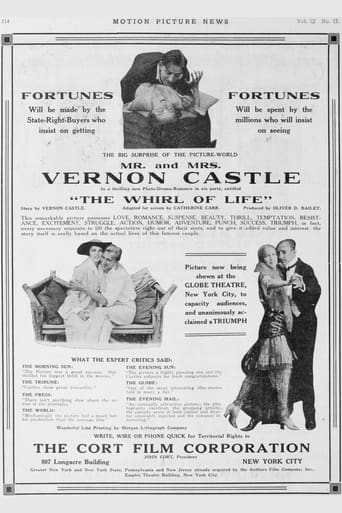
Actor during the early silent film era, appearing in at least one known production in 1915. His career appears to have been extremely brief, with documented activity confined to a single year during the formative period of American cinema. Like many performers of this era, he may have been a stage actor who briefly ventured into the new medium of motion pictures before returning to other pursuits or leaving the entertainment industry altogether. The film industry in 1915 was still in its infancy, with many actors working anonymously or under pseudonyms, making complete documentation challenging. His sole known credit 'The Whirl of Life' (1915) places him among the generation of film actors during the transition from short films to feature-length productions. The lack of additional film credits suggests his acting career was either very brief or that records from this early period have been lost to time.
The Craft
Milestones
- Appeared in 'The Whirl of Life' (1915) during the early silent film era
Best Known For
Must-See Films
Why They Matter
Impact on Culture
Arthur Stanford represents the countless anonymous or nearly anonymous performers who participated in cinema's earliest years. While his individual impact may be difficult to trace due to limited documentation, actors like him formed the foundation of the film industry during its experimental phase. Their work, though often unremembered, contributed to the development of film acting techniques and helped establish cinema as a legitimate art form. The fact that his name survives in at least one film credit is remarkable given the extensive loss of early film records and the frequent use of pseudonyms during this period.
Lasting Legacy
Arthur Stanford's legacy is primarily as a representative figure of the thousands of early film pioneers whose contributions have been largely lost to history. His brief appearance in the 1915 film 'The Whirl of Life' places him among the first generation of actors to work in feature-length motion pictures during a transformative period in cinema history. While he may not have achieved lasting fame, his participation in early filmmaking represents the collective effort that built the foundation of the modern film industry.
Who They Inspired
Due to the brevity of his documented career and the lack of detailed information about his work, it is not possible to trace specific influences that Arthur Stanford may have had on other performers or the film industry. However, like all early film actors, he contributed to the evolution of screen acting techniques during the medium's formative years.
Off Screen
Very little is known about Arthur Stanford's personal life, which is typical for many actors from the earliest days of cinema. Records from this period are often incomplete or lost, particularly for performers who had brief careers or worked in smaller productions. Like many early film actors, he may have maintained a private life separate from his brief film work.
Did You Know?
- Arthur Stanford's entire known film career consists of a single year, 1915
- His only documented film credit is 'The Whirl of Life' from 1915
- He was active during the transitional period when cinema was moving from short films to feature-length productions
- Like many early film actors, complete records of his life and career have not survived
- 1915 was a significant year in cinema, marked by the release of groundbreaking films like D.W. Griffith's 'The Birth of a Nation'
- Early silent film actors often worked anonymously or under stage names, making identification difficult
- Many performers from this era were stage actors who briefly experimented with the new medium of film
Frequently Asked Questions
Who was Arthur Stanford?
Screen credits include at least one film in 1915. His career appears to have been extremely brief, with documented activity confined to a single year during the formative period of American cinema.
What films is Arthur Stanford best known for?
Titles linked here include The Whirl of Life (1915).
When was Arthur Stanford born and when did he die?
Unfortunately, specific birth and death dates for Arthur Stanford are not available in surviving records, which is common for actors who had brief careers in the earliest days of cinema.
What awards did Arthur Stanford win?
Arthur Stanford did not receive any known awards or nominations, which is typical for actors from this very early period of cinema before major award institutions were established.
What was Arthur Stanford's acting style?
Due to the lack of surviving films and detailed documentation, Arthur Stanford's specific acting style is not known. Actors from this period typically used exaggerated gestures and expressions suitable for silent film performance.