Films
1 film
About Robles Monteiro
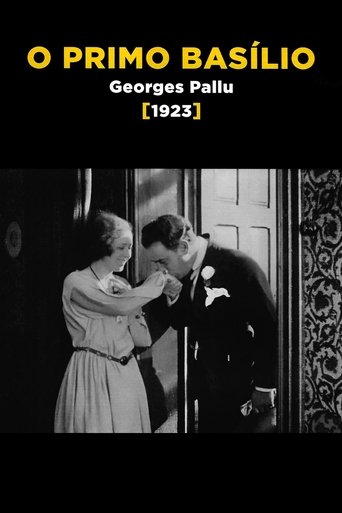
The 1923 film O Primo Basílio is the only title linked here for Robles Monteiro. ' one of the earliest Portuguese feature films. Based on the famous novel by Eça de Queirós, this film was part of the burgeoning Portuguese film industry of the 1920s. Monteiro's career appears to have been extremely brief, with activity confined to the single year of 1923, suggesting he may have been a stage actor who made a one-time foray into cinema or an amateur who participated in this early production. The film itself was significant as an adaptation of classic Portuguese literature, though like many early silent films, it is now considered lost. Monteiro represents the many anonymous or barely documented actors who contributed to the development of national cinemas during their formative years.
The Craft
Milestones
- Appeared in the 1923 film adaptation of 'O Primo Basílio'
Best Known For
Iconic Roles
Must-See Films
Why They Matter
Impact on Culture
As an actor in one of Portugal's earliest feature films, Robles Monteiro contributed to the development of Portuguese cinema during its silent era. The 1923 adaptation of 'O Primo Basílio' was part of an important movement to bring Portuguese literature to the screen, helping establish a national cinematic identity. While his individual impact was minimal due to his brief career, he represents the collective effort of early performers who helped lay the groundwork for Portugal's film industry. The film itself was significant for adapting one of Portugal's most important literary works, though like many silent films, it has been lost to time.
Lasting Legacy
Robles Monteiro's legacy is primarily that of an early pioneer in Portuguese cinema, albeit a minor one. His appearance in 'O Primo Basílio' (1923) places him among the first generation of Portuguese film actors. While his name is largely forgotten today, he contributed to the important cultural project of adapting Portuguese literature for the cinema during the formative years of the national film industry. His story illustrates how many early cinema participants were ephemeral figures who nonetheless played their part in cinematic history.
Who They Inspired
Given his extremely brief film career, Robles Monteiro had little direct influence on subsequent generations of actors or filmmakers. However, his participation in early Portuguese cinema represents the collective foundation upon which later Portuguese filmmakers would build. The tradition of adapting Portuguese literature to film, which he was part of, would continue throughout the history of Portuguese cinema.
Off Screen
Very little is known about Robles Monteiro's personal life, as was common for many early film actors who were not major stars. His brief appearance in cinema suggests he may have had a primary career outside of film, possibly in theater or another profession.
Did You Know?
- Appeared in what is believed to be one of the earliest Portuguese feature film adaptations
- The film 'O Primo Basílio' (1923) is now considered lost, like many silent films
- His entire known film career consists of a single year: 1923
- The film was based on one of Portugal's most famous novels by Eça de Queirós
- Early Portuguese cinema was very small, with only a handful of feature films produced in the 1920s
- Silent film actors from this period in Portugal are often poorly documented in historical records
Frequently Asked Questions
Who was Robles Monteiro?
Screen credits include the 1923 film 'O Primo Basílio.' His career was extremely brief, with activity confined to a single year, making him one of the early but minor figures in Portuguese cinema history.
What films is Robles Monteiro best known for?
Titles linked here include O Primo Basílio (1923).
When was Robles Monteiro born and when did they die?
Specific birth and death dates for Robles Monteiro are not available in historical records. This is common for many minor actors from the early silent era, particularly in smaller national film industries like Portugal's in the 1920s.
What awards did Robles Monteiro win?
Robles Monteiro did not receive any known awards or nominations. During the early 1920s, particularly in Portugal, formal award systems for cinema were not yet established, and his brief career would not have qualified for such recognition regardless.
What was Robles Monteiro's acting style?
Specific details about Robles Monteiro's acting style are not known, as the film he appeared in has been lost and there are no surviving reviews or detailed accounts of his performance. As a silent film actor in 1923, he would have used the exaggerated gestures and facial expressions typical of the era.
Why is so little known about Robles Monteiro?
The scarcity of information about Robles Monteiro is typical of minor actors from early cinema, especially from smaller film industries. Many early films have been lost, documentation was minimal, and actors who were not major stars were often poorly recorded in historical archives.