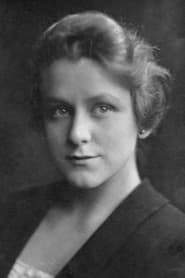
Renée Björling
Actor
Born: April 22, 1898 in Stockholm, Sweden Died: October 30, 1975 Active: 1919-1920
Films
4 films
About Renée Björling
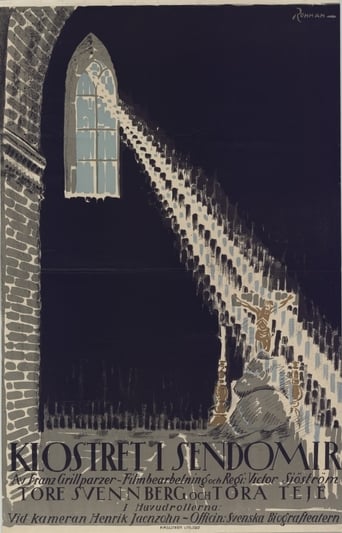
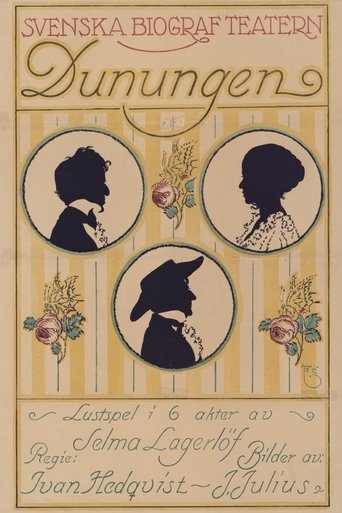
Renée Björling is credited on a single production — The Downy Girl (1919). Her career, though brief, coincided with artistically significant periods in Swedish film history. Björling made her mark in the film industry with her appearance in 'The Downy Girl' (1919), which helped establish her as a promising young talent in the burgeoning Swedish film scene. Her most notable role came in 'The Monastery of Sendomir' (1920), a critically acclaimed adaptation of a Franz Grillparzer play directed by Victor Sjöström, one of the pioneers of Swedish cinema. This film, known for its sophisticated visual storytelling and psychological depth, showcased Björling's ability to convey complex emotions through the subtle performance style required in silent cinema. Despite her promising start and association with Sweden's most celebrated directors, Björling's film career appears to have been concentrated in these few years around 1919-1920, a pattern not uncommon for actresses of the era who often left the industry after marriage or to pursue other interests. Her work represents an important, though often overlooked, contribution to Sweden's remarkable silent film legacy.
The Craft
On Screen
Björling embodied the naturalistic acting style that characterized the best of Swedish silent cinema, emphasizing subtle facial expressions and restrained gestures to convey deep emotional states. Her performances reflected the influence of the emerging psychological realism that Swedish directors were, moving away from the theatrical exaggeration common in earlier silent films. She demonstrated particular skill in portraying complex inner conflicts through minimal movement, relying on the power of the close-up and her expressive eyes to communicate with audiences.
Milestones
- Breakthrough role in 'The Downy Girl' (1919)
- Critical acclaim for 'The Monastery of Sendomir' (1920)
- Collaboration with director Victor Sjöström
- Participation in Sweden's golden age of silent cinema
Best Known For
Iconic Roles
Must-See Films
Accolades
Special Recognition
- Recognition as part of Sweden's silent film heritage
Working Relationships
Worked Often With
Studios
Why They Matter
Impact on Culture
Renée Björling's contribution to cinema, though brief, represents an important part of Sweden's silent film heritage during its internationally acclaimed golden age. Her work in 'The Monastery of Sendomir' helped exemplify the sophisticated psychological storytelling that made Swedish cinema influential worldwide. The film itself was part of a wave of Swedish productions that demonstrated how cinema could achieve artistic depth comparable to literature and theater, influencing filmmakers across Europe and even in Hollywood. Björling's performances contributed to establishing a new standard of naturalistic acting in silent cinema that would influence subsequent generations of actors.
Lasting Legacy
Renée Björling's legacy endures through her participation in. Her work in 'The Monastery of Sendomir' continues to be studied by film historians and scholars interested in the evolution of cinematic acting techniques. As part of Victor Sjöström's body of work, her performances help document the transition from theatrical acting styles to the more psychologically nuanced approaches that would define modern cinema. Though her filmography is small, it represents an important window into the artistic achievements of Swedish silent cinema and the role of women in early film.
Who They Inspired
While Björling's direct influence on subsequent generations of actors is difficult to trace due to her brief career, she contributed to the broader movement of naturalistic acting that characterized the best of Swedish silent cinema. The techniques she employed—subtle emotional expression through minimal gesture and facial expression—became standard practices in film acting. Her work with directors like Victor Sjöström helped establish acting methods that would influence the development of cinematic performance worldwide as the medium evolved.
Off Screen
Renée Björling was born into Stockholm's cultural scene during a period when Swedish cinema was gaining international recognition. Her brief film career coincided with the peak of Swedish silent cinema's artistic achievements. After her acting career ended around 1920, she appears to have returned to private life, as was common for many actresses of her era. She lived through the dramatic transformation of cinema from silent to sound films and witnessed the changing social roles for women in Sweden throughout the 20th century.
Did You Know?
- 'The Monastery of Sendomir' was based on a story by Austrian playwright Franz Grillparzer
- The film was one of several Swedish productions that gained international distribution in the early 1920s
- Swedish silent cinema of this period was particularly known for its use of natural locations and atmospheric lighting
- Director Victor Sjöström would later move to Hollywood and direct films under the name Victor Seastrom
- The early 1920s marked the peak of Swedish cinema's international reputation before the industry faced economic challenges
- Many Swedish silent films, including some of Björling's work, have been lost due to the fragile nature of early film stock
- Sweden was one of the first countries to develop a sophisticated national cinema industry outside of Hollywood and Europe's major film centers
Frequently Asked Questions
Who was Renée Björling?
Swedish actress who worked during the silent film era, primarily active between 1919-1920. She is best known for her roles in 'The Downy Girl' (1919) and 'The Monastery of Sendomir' (1920), which were produced during Sweden's golden age of silent cinema.
What films is Renée Björling best known for?
Titles linked here include The Monastery of Sendomir (1920), The Downy Girl (1919).
When was Renée Björling born and when did she die?
Born April 22, 1898; died October 30, 1975.
What awards did Renée Björling win?
There are no recorded formal awards or nominations for Renée Björling's work, which was not uncommon for actors in the silent film era, especially in European cinema where formal award systems were not yet established.
What was Renée Björling's acting style?
Björling embodied the naturalistic acting style that characterized Swedish silent cinema, using subtle facial expressions and restrained gestures rather than theatrical exaggeration. Her performances emphasized psychological realism and emotional depth through minimal movement, particularly effective in the close-ups favored by directors like Victor Sjöström.