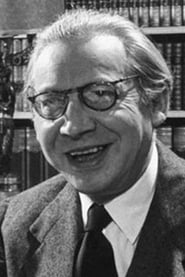
Alexander Korda
Director
Born: September 16, 1893 in Pusztatúrpásztó, Austria-Hungary (now Hungary) Died: January 23, 1956 Active: 1914-1956 Birth Name: Sándor Korda
Films
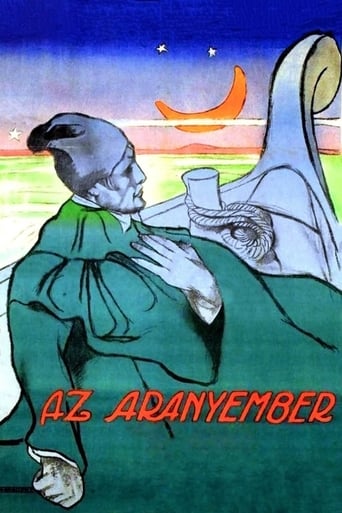
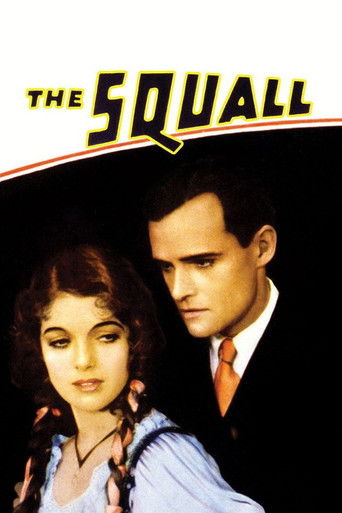
2 films
About Alexander Korda
Alexander Korda (born Sándor Korda) was a Hungarian-born British film director and producer who became figures in international cinema. He began his career in Hungary during the silent era, directing numerous films before moving to Vienna, Berlin, Paris, and eventually settling in London in 1931. Korda founded London Films in 1933 and became instrumental in establishing the British film industry as a major force in global cinema. He produced and directed some of the most prestigious films of the 1930s and 1940s, including 'The Private Life of Henry VIII' which earned Charles Laughton an Academy Award. During World War II, he worked on propaganda films and continued producing prestigious productions. Korda was knighted in 1942 for his contributions to British cinema, becoming the first film director to receive this honor. His over four decades and encompassed more than 70 films as director or producer, establishing him as a true titan of international cinema.
The Craft
Behind the Camera
Korda was known for his lavish, visually spectacular productions with strong emphasis on historical epics and literary adaptations. His directing style combined European artistic sensibilities with commercial appeal, featuring meticulous attention to period detail, grand set designs, and sophisticated storytelling. He pioneered techniques in color cinematography and special effects, particularly evident in 'The Thief of Bagdad'. Korda favored ensemble casts and was adept at drawing powerful performances from actors while maintaining the visual grandeur of his productions.
Milestones
- Founded London Films in 1933
- Directed 'The Private Life of Henry VIII' (1933)
- Produced 'The Thief of Bagdad' (1940)
- First film director knighted by British monarchy (1942)
- Pioneered international co-productions
- Established Denham Film Studios
Best Known For
Must-See Films
Accolades
Won
- Academy Award nomination for Best Picture (The Private Life of Henry VIII, 1933)
- Academy Award nomination for Best Picture (The Thief of Bagdad, 1940)
- Academy Award nomination for Best Picture (That Hamilton Woman, 1941)
- Academy Award for Best Art Direction (The Thief of Bagdad, 1940)
- Academy Award for Best Cinematography (The Thief of Bagdad, 1940)
- Academy Award for Best Special Effects (The Thief of Bagdad, 1940)
- New York Film Critics Circle Award for Best Film (The Private Life of Henry VIII, 1933)
Nominated
- Academy Award nomination for Best Director (The Private Life of Henry VIII, 1933)
- Venice Film Festival Golden Lion nomination (Rembrandt, 1936)
- Venice Film Festival Mussolini Cup nomination (The Private Life of Henry VIII, 1933)
Special Recognition
- Knighted by King George VI (1942)
- Hollywood Walk of Fame star (6601 Hollywood Blvd)
- British Film Institute Fellowship (posthumously)
Working Relationships
Worked Often With
Studios
Why They Matter
Impact on Culture
Alexander Korda fundamentally transformed British cinema from a provincial industry into an international force capable of competing with Hollywood. He demonstrated that British films could achieve both critical acclaim and commercial success on a global scale, particularly with 'The Private Life of Henry VIII' becoming a massive hit in America. Korda's emphasis on quality production values and international stars elevated the prestige of British filmmaking. His work during World War II, particularly films like 'That Hamilton Woman' and 'The Lion Has Wings', played a significant role in British propaganda efforts and morale-boosting. Korda's establishment of Denham Film Studios provided state-of-the-art facilities that enabled British cinema to produce technically sophisticated films.
Lasting Legacy
Alexander Korda's legacy endures through his role in establishing the British film industry's international reputation and his innovative approach to film production. London Films, which he founded, continued operating long after his death and influenced generations of British filmmakers. His emphasis on quality productions and international co-productions became a model for the British film industry. Korda's films, particularly 'The Private Life of Henry VIII' and 'The Thief of Bagdad', remain classics of cinema, celebrated for their technical achievements and artistic merit. His knighthood opened doors for film professionals to receive formal recognition from the establishment. The Korda brothers' collaborative approach to filmmaking, combining directing, producing, and design expertise, influenced how film productions were structured.
Who They Inspired
Korda influenced countless filmmakers through his demonstration that European cinema could compete with Hollywood on its own terms while maintaining artistic integrity. His success with historical epics and literary adaptations inspired directors like David Lean and Michael Powell. His approach to international co-productions paved the way for the modern global film industry. Korda's emphasis on visual spectacle and technical innovation influenced filmmakers such as Cecil B. DeMille and later directors of epic films. His ability to attract international talent to work in Britain established a precedent that continues in the modern British film industry. Directors like Alfred Hitchcock, who worked with Korda early in their careers, benefited from his mentorship and international perspective.
Off Screen
Alexander Korda was married three times and had a complex personal life that often intersected with his professional career. His first marriage was to actress María Corda in 1919, who starred in many of his early Hungarian films. After their divorce, he married British film star Merle Oberon in 1939, though the marriage was tumultuous and ended in divorce in 1945. His third marriage was to Alexandra Boycun in 1953. Korda's brothers, Zoltan and Vincent, were also successful in the film industry, frequently collaborating with him. He was known for his extravagant lifestyle and his ability to charm investors and stars alike, though he often faced financial difficulties despite his successes.
Education
Attended schools in Hungary, largely self-taught in filmmaking through practical experience
Family
- María Corda (1919-1930)
- Merle Oberon (1939-1945)
- Alexandra Boycun (1953-1956)
Did You Know?
- Was the first film director ever to be knighted
- His three brothers all worked in the film industry
- Fled Hungary after the communist revolution of 1919
- Spoke multiple languages fluently, including Hungarian, German, French, and English
- His film 'The Private Life of Henry VIII' saved MGM from bankruptcy in 1933
- Was a close friend of Winston Churchill and consulted with him on war propaganda
- His third wife, Alexandra, was 30 years his junior
- Lost control of Denham Studios due to financial difficulties in the late 1930s
- His films won a total of 5 Academy Awards
- Was known for his extravagant lifestyle and love of gambling
- Helped launch the careers of numerous stars including Merle Oberon and Robert Donat
- His production company London Films was the first British company to have a long-term distribution deal with a major Hollywood studio
In Their Own Words
"A film without a star is like a ship without a captain"
"I make pictures for the public, not for the critics"
"The British film industry must learn to think internationally or die nationally"
"Quality is the best form of propaganda"
"In cinema, as in life, appearance is reality"
Frequently Asked Questions
Who was Alexander Korda?
Hungarian-born British on YTB.my. He was the first film director to be knighted and played a crucial role in establishing the British film industry as a major force globally.
What films is Alexander Korda best known for?
Titles linked here include The Private Life of Henry VIII (1933), The Thief of Bagdad (1940).
When was Alexander Korda born and when did he die?
Born September 16, 1893; died January 23, 1956.
What awards did Alexander Korda win?
Korda was knighted by King George VI in 1942, received a Hollywood Walk of Fame star, and his films won multiple Academy Awards including Best Art Direction, Cinematography, and Special Effects for 'The Thief of Bagdad'. He also received numerous nominations for Best Picture and Best Director.
What was Alexander Korda's directing style?
Korda was known for lavish, visually spectacular productions with emphasis on historical epics and literary adaptations. His style combined European artistic sensibilities with commercial appeal, featuring meticulous period detail, grand set designs, and sophisticated storytelling with strong ensemble casts.