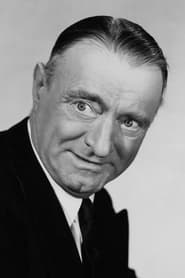
Sig Ruman
Actor
Born: October 11, 1884 in Hamburg, German Empire Died: February 14, 1967 Active: 1928-1964 Birth Name: Siegfried Carl Alban Rumann
Films
3 films

About Sig Ruman
Sig Ruman, born Siegfried Carl Alban Rumann, was a prolific German-American character actor whose over four decades in Hollywood's Golden Age. After serving in the German army during World War I, he began his acting career in German theater before emigrating to the United States in the 1920s. Ruman quickly established himself as a versatile character actor, specializing in playing pompous officials, foreign dignitaries, and comic antagonists, often utilizing his distinctive German accent to great effect. He became particularly famous for his collaborations with the Marx Brothers, appearing in several of their classic comedies including 'A Night at the Opera' (1935) and 'A Day at the Races' (1937). Throughout his career, Ruman appeared in over 100 films, working with directors like Ernst Lubitsch, Billy Wilder, and Preston Sturges. His ability to seamlessly transition between comedy and drama made him one of Hollywood's most reliable character actors. Despite often playing supporting roles, his memorable performances on classic American cinema.
The Craft
On Screen
Ruman was known for his versatile character acting, often portraying pompous officials, foreign dignitaries, and comic antagonists with his distinctive German accent. His physical comedy skills, expressive face, and ability to deliver both comedic and dramatic lines with equal effectiveness made him a sought-after character actor. He had a particular talent for playing the straight man to comedic leads while maintaining his own distinctive presence.
Milestones
- Film debut in 'The Patriot' (1928)
- Breakthrough role in 'A Night at the Opera' (1935)
- Memorable performance in 'Ninotchka' (1939)
- Starring role in 'To Be or Not to Be' (1942)
- Prolific television career in the 1950s-60s
Best Known For
Iconic Roles
Must-See Films
Accolades
Special Recognition
- Hollywood Walk of Fame star (6608 Hollywood Boulevard)
Working Relationships
Worked Often With
Studios
Why They Matter
Impact on Culture
Sig Ruman's contributions to classic Hollywood cinema were significant, particularly in establishing the archetype of the 'foreign character' in American films. His work with the Marx Brothers helped define the screwball comedy genre, and his ability to play both comic and serious roles with equal skill demonstrated the importance of character actors in supporting leads. Ruman's success as a German-born actor in Hollywood during the 1930s and 1940s, despite rising anti-German sentiment, paved the way for other foreign-born actors in American cinema.
Lasting Legacy
Sig Ruman left a lasting legacy as one of Hollywood's most recognizable character actors. His distinctive face and voice made him instantly recognizable to audiences, even when his roles were small. His performances in classic films continue to be studied by film scholars and appreciated by classic cinema enthusiasts. Ruman's ability to transcend typecasting while maintaining his unique persona serves as a model for character actors in subsequent generations.
Who They Inspired
Ruman influenced generations of character actors, particularly those specializing in foreign or ethnic roles. His success demonstrated that character actors could achieve lasting fame and recognition without being leading men. His work with comedy teams like the Marx Brothers established a template for how straight men could enhance comedic performances while maintaining their own distinctive presence. Many later character actors, including Werner Klemperer and John Banner, owe a debt to Ruman for establishing the German character archetype in American entertainment.
Off Screen
Sig Ruman married twice in his lifetime. His first marriage was to actress Rosa Mendez, which ended in divorce. He later married Sarah Ruman, with whom he remained until his death. Despite his heavy German accent and frequent casting as German characters, Ruman became an American citizen and was proud of his adopted country. He was known in Hollywood circles as a reliable professional and a kind colleague who never let his character roles affect his off-screen demeanor.
Education
Studied acting in Hamburg, Germany before World War I; served in the German army during WWI
Family
- Rosa Mendez (1925-1935)
- Sarah Ruman (1936-1967)
Did You Know?
- His distinctive German accent was so authentic that many audiences didn't realize he was actually a German immigrant
- He was one of the few actors to appear in multiple Marx Brothers films
- During World War II, despite playing German characters, he often portrayed anti-Nazi figures in films
- He changed the spelling of his last name from 'Rumann' to 'Ruman' to make it easier for American audiences to pronounce
- He served in the German army during World War I before pursuing acting
- He appeared in over 100 films during his career
- He was a favorite of director Ernst Lubitsch, who cast him in several of his films
- His final film appearance was in 'The Great Race' (1965)
- He was a regular on Jack Benny's radio and television shows
- Despite his heavy German accent, he was fluent in English and could speak without the accent when not performing
In Their Own Words
In 'To Be or Not to Be': 'So they call me Concentration Camp Ehrhardt? And they say I look like Hitler?'
In 'A Night at the Opera': 'You don't know what you're talking about! I'm the manager here!'
In 'Ninotchka': 'We are here to discuss the important matters of state, not to engage in frivolous conversation'
Frequently Asked Questions
Who was Sig Ruman?
Prolific German-American character with credits in this catalog.
What films is Sig Ruman best known for?
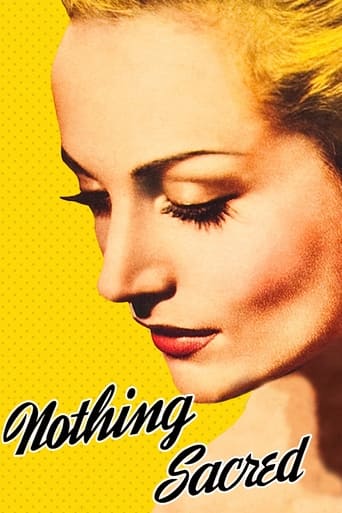
Titles linked here include A Night at the Opera (1935), Nothing Sacred (1937).
When was Sig Ruman born and when did he die?
Born October 11, 1884; died February 14, 1967.
What awards did Sig Ruman win?
While Sig Ruman did not receive major acting awards during his career, he was honored with a star on the Hollywood Walk of Fame at 6608 Hollywood Boulevard for his contributions to film.
What was Sig Ruman's acting style?
Ruman was known for his versatile character acting, specializing in pompous officials and foreign dignitaries with his distinctive German accent. He excelled at both comedy and drama, using his expressive face and physical comedy skills to create memorable characters.
Did Sig Ruman serve in the military?
Yes, Sig Ruman served in the German army during World War I before pursuing his acting career in theater and eventually moving to the United States.
How did Sig Ruman change his name?
Born Siegfried Carl Alban Rumann, he changed the spelling to 'Sig Ruman' early in his American career to make it easier for American audiences to pronounce and remember.
What was Sig Ruman's relationship with the Marx Brothers?
Ruman — frequent collaborator with the Marx Brothers, appearing in several of their classic films including 'A Night at the Opera' and 'A Day at the Races,' where he often played their comic antagonist or authority figure.