Films
1 film
About Toshiko Shibata
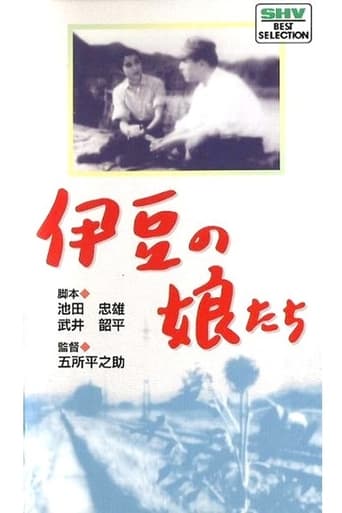
This archive lists one role for Toshiko Shibata: Izu no musumetachi (1945). Her sole documented screen appearance was in the film 'Izu no musumetachi' (Daughters of Izu), directed by Heinosuke Gosho. Like many actresses of her era, her career was likely impacted by the tumultuous conditions in Japan during wartime, including resource shortages and the eventual American occupation. The film industry in 1945 faced unprecedented challenges with studio bombings, film stock rationing, and censorship. Shibata's brief appearance in cinema history represents the countless performers whose careers were cut short or never fully developed due to the historical circumstances of wartime Japan. Very little documentation survives about her life beyond this single film credit, making her one of the many obscure figures from classic Japanese cinema whose stories remain largely untold.
The Craft
Milestones
- Appeared in 'Izu no musumetachi' (1945) during the final year of World War II
Best Known For
Must-See Films
Working Relationships
Worked Often With
Why They Matter
Impact on Culture
Toshiko Shibata represents the countless anonymous performers who contributed to Japanese cinema during its formative years and wartime period. While her individual impact may be minimal due to her brief career, she is part of the broader tapestry of Japanese film history that saw the industry evolve despite wartime hardships. Her appearance in a 1945 film places her at a critical juncture in Japanese history, when cinema was both a tool for wartime propaganda and a means of cultural preservation. The scarcity of information about performers like Shibata highlights the tragic loss of cultural memory that occurred during and after World War II in Japan.
Lasting Legacy
Toshiko Shibata's legacy is primarily that of a representative figure from the lost generation of Japanese cinema - performers whose careers and lives were largely undocumented due to the chaos of war. Her existence serves as a reminder of how many artists' contributions to film history have been obscured by time and historical circumstances. While she may not have achieved lasting fame, her participation in 'Izu no musumetachi' makes her part of the historical record of Japanese cinema during one of its most challenging periods.
Who They Inspired
Due to the extremely limited documentation of her career and work, Toshiko Shibata's influence on other actors or filmmakers cannot be determined. Like many minor actors of her era, she likely served as part of the ensemble that supported the leading stars of Japanese cinema, contributing to the overall artistic vision of the films she appeared in without achieving individual recognition or influence.
Off Screen
Very little is documented about Toshiko Shibata's personal life, which is common for minor actors from this period of Japanese cinema. Many records from the WWII era in Japan were destroyed or lost, making comprehensive biographical information difficult to obtain.
Did You Know?
- Her entire known film career consists of a single year - 1945
- Her only known film 'Izu no musumetachi' was released during the final months of World War II
- The film's director, Heinosuke Gosho, was one of Japan's prominent directors of the era
- 1945 was
- Many Japanese film records from this period were destroyed during the war or lost in the post-war confusion
- Her active years covered less than 12 months, making her one of cinema's most briefly active performers
- The scarcity of information about her reflects the broader loss of cultural history from wartime Japan
Frequently Asked Questions
Who was Toshiko Shibata?
Japanese actress active in 1945, known primarily for her appearance in the film 'Izu no musumetachi' (Daughters of Izu). Her career was extremely brief, confined to a single year during the final months of World War II in Japan.
What films is Toshiko Shibata best known for?
Titles linked here include Izu no musumetachi (1945).
When was Toshiko Shibata born and when did she die?
Unfortunately, Toshiko Shibata's birth and death dates are not documented in available historical records. This lack of biographical information is common for minor actors from wartime Japan, many of whose personal details were lost to history.
What awards did Toshiko Shibata win?
There are no documented awards or nominations for Toshiko Shibata. Given her extremely brief career consisting of only one known film appearance, she would not have had the opportunity to receive industry recognition during her time in cinema.
What was Toshiko Shibata's acting style?
Due to the lack of surviving documentation about her performances and the absence of critical reviews from the period, Toshiko Shibata's acting style cannot be determined. Like many minor actors of her era, her artistic approach remains undocumented.