Luis Llaneza
Actor
Born: January 17, 1888 in Madrid, Spain Died: June 19, 1966 Active: 1930-1935
Films
1 film
About Luis Llaneza
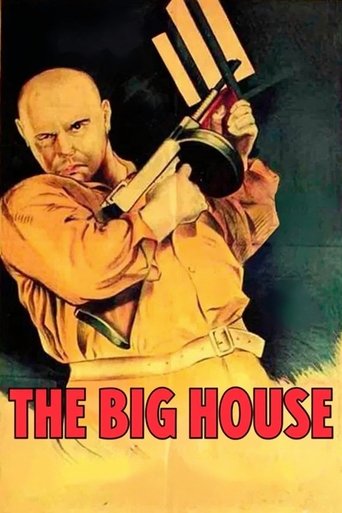
Spanish-born character actor who briefly made a mark in Hollywood during the critical transition period from silent films to 'talkies' in the early 1930s. He was part of a specialized group of international actors recruited by major studios like Metro-Goldwyn-Mayer to appear in foreign-language versions of their prestige productions, a common practice before dubbing became technically proficient. Llaneza is most notably recognized for his role in 'El presidio' (1930), which was the Spanish-language version of the gritty prison drama 'The Big House.' His career in the American film industry was concentrated during the 'Multi-Language Version' (MLV) era, where he worked alongside other Spanish-speaking expatriates to bring Hollywood storytelling to global markets. Although his Hollywood filmography is relatively brief, his participation in these alternate-language features provides a fascinating glimpse into the logistical complexities of early sound cinema. After the trend of filming multiple versions of the same movie faded, Llaneza's presence in the mainstream American industry diminished, marking him as a specific figure of the early 1930s cinematic landscape.
The Craft
On Screen
Llaneza — character actor who utilized a grounded, theatrical approach common among European actors of his generation. His performances were characterized by a strong vocal presence, which was a requirement for the early sound recording equipment that demanded clear diction. In dramatic roles, he often portrayed authoritative or supporting figures that provided a sense of realism to the ensemble. His style was less about the 'star' persona and more about the functional necessity of the scene, ensuring that the Spanish-language adaptations maintained the same emotional weight as their English counterparts.
Milestones
- Cast in the Spanish-language version of the Academy Award-winning film 'The Big House' (1930)
- Collaborated with director Ward Wing on early Spanish-language talkies for MGM
- Participated in the experimental era of Multi-Language Versions (MLVs) in Hollywood
- Worked alongside notable Spanish-language stars like Juan de Landa and Tito Guízar
- Contributed to the cultural bridge between Hollywood production and Spanish-speaking audiences during the early sound era
Best Known For
Iconic Roles
Must-See Films
Accolades
Special Recognition
- Recognized in historical retrospectives of Spanish-language cinema in Hollywood
Working Relationships
Worked Often With
Studios
Why They Matter
Impact on Culture
Luis Llaneza's cultural impact lies in his role as a pioneer of Spanish-language cinema produced within the Hollywood system. During the 1930s, the 'Spanish Hollywood' movement was essential for maintaining the international dominance of American studios. By appearing in films like 'El presidio,' Llaneza helped ensure that Spanish-speaking audiences worldwide could experience the latest cinematic innovations in their own language. This period helped lay the groundwork for the eventual globalization of the film industry and the cross-pollination of acting talent between Spain, Mexico, and the United States.
Lasting Legacy
His legacy is tied to the preservation of the 'Multi-Language Version' films, many of which were lost or forgotten for decades. Film historians now view actors like Llaneza as vital components of a unique transitional period in film history. He represents the 'lost' generation of international actors who helped Hollywood navigate the daunting technical and linguistic challenges of the early sound era. His work serves as a primary source for studying the evolution of Spanish-language performance styles in early 20th-century media.
Who They Inspired
He influenced the early standards of Spanish-language dubbing and performance in Hollywood, showing that European-trained actors could successfully adapt to the intimate requirements of the American camera.
Off Screen
Luis Llaneza was part of the vibrant community of Spanish and Latin American artists living in Los Angeles during the 1930s. He maintained close ties with the Spanish expatriate community and often socialized with other actors who were brought to California specifically for the MLV productions. Little is documented about his private family life, as he remained a private individual outside of his professional commitments at the studios.
Education
Trained in classical theater in Madrid, Spain, before moving to the United States.
Did You Know?
- He appeared in 'El presidio,' which was filmed on the same sets as 'The Big House' but with an entirely different cast.
- Llaneza was one of the few Spanish actors of the time who could transition smoothly between the rigid demands of early sound microphones.
- The Spanish version of 'The Big House' in which he appeared is often cited by critics as being more atmospheric than the English original.
- He was part of the 'Spanish Colony' in Hollywood, which included writers like Edgar Neville and actors like Conchita Montenegro.
- His career in Hollywood was largely dictated by the short-lived trend of filming multiple versions of the same script simultaneously.
- He often worked at night, as the Spanish versions of films were frequently shot on the same sets after the English-speaking crews had finished for the day.
In Their Own Words
The transition to sound was a challenge for us all, but it allowed our voices to finally reach home from across the ocean. (Reflecting on his time at MGM)
Frequently Asked Questions
Who was Luis Llaneza?
Spanish with credits in this catalog. He specialized in appearing in Spanish-language versions of major American films during the early sound era.
What films is Luis Llaneza best known for?
Titles linked here include El presidio (1930), De frente, marchen (1930).
When was Luis Llaneza born and when did he die?
Born January 17, 1888; died June 19, 1966.
What was the 'Multi-Language Version' era Luis Llaneza worked in?
It was a brief period in the early 1930s when Hollywood studios filmed the same movie multiple times with different casts to cater to international markets before dubbing was perfected.
What was Luis Llaneza's acting style?
He was a disciplined character actor with a background in Spanish theater, known for his clear diction and ability to bring gravitas to supporting roles in dramas.
What is Luis Llaneza's legacy in film?
He is remembered as a pioneer of 'Spanish Hollywood,' helping to bridge the gap between American production and Spanish-speaking audiences during the birth of talkies.