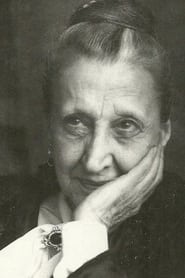
Pupella Maggio
Actor
Born: April 24, 1910 in Naples, Italy Died: December 8, 1999 Active: 1940s-1990s Birth Name: Giustina Maggio
Films
1 film
About Pupella Maggio
Pupella Maggio, born Giustina Maggio, was an Italian actress whose over four decades in theater, film, and television. Born in Naples in 1910, she began her artistic journey in the theatrical world, where she honed her craft before transitioning to cinema. While she appeared in numerous Italian films throughout her career, she is most celebrated for her powerful performance as Miranda, the matriarch in Federico Fellini's masterpiece 'Amarcord' (1973). Her portrayal of the loving yet formidable mother character earned her international acclaim and a Silver Ribbon for Best Supporting Actress. Despite her extensive filmography, it was her ability to embody authentic Italian motherhood with both warmth and authority that became her trademark. She continued acting well into her later years, appearing in both dramatic and comedic roles, always bringing a profound sense of humanity to her characters. Her death in 1999 marked the end of a remarkable career that had significantly contributed to Italian cinema's golden age and beyond.
The Craft
On Screen
Naturalistic and deeply authentic, specializing in portraying maternal figures with remarkable emotional depth. Her performances were characterized by a perfect blend of warmth, authority, and vulnerability, making her the quintessential Italian mother figure on screen. She had a unique ability to convey complex emotions through subtle facial expressions and gestures, often speaking volumes with minimal dialogue.
Milestones
- Breakthrough theatrical career in the 1940s
- Transition to Italian cinema in the 1950s
- Iconic performance in Fellini's 'Amarcord' (1973)
- Won Silver Ribbon for Best Supporting Actress
- Extensive television work in the 1970s and 1980s
Best Known For
Iconic Roles
Must-See Films
Accolades
Won
- Silver Ribbon for Best Supporting Actress (1974) for 'Amarcord'
Nominated
- David di Donatello Award nomination for Best Supporting Actress
Special Recognition
- Recognition as one of Italy's most beloved character actresses
- Tribute at Italian film festivals for her contributions to cinema
Working Relationships
Worked Often With
Studios
Why They Matter
Impact on Culture
Pupella Maggio became an iconic figure representing the Italian matriarch in cinema, her performance in 'Amarcord' creating a lasting archetype of the Mediterranean mother figure. Her portrayal influenced how Italian motherhood was depicted in international cinema, combining fierce protection with deep emotional complexity. She helped bridge the gap between Italy's neorealist tradition and its more fantastical cinema of the 1970s, bringing authentic human emotion to even the most surreal scenarios.
Lasting Legacy
Pupella Maggio's legacy endures through her unforgettable performances, particularly in 'Amarcord,' where she created one of cinema's most memorable maternal figures. She demonstrated the power of character actors to elevate films beyond their leading performances, showing how supporting roles could become the emotional core of a film. Her work continues to be studied by actors and filmmakers interested in authentic character portrayal and the representation of family dynamics in cinema.
Who They Inspired
Her naturalistic acting style influenced generations of Italian character actors, particularly in the portrayal of maternal roles. She showed how authenticity and emotional truth could transcend language barriers, making her performances universally relatable. Younger actresses studying character work often cite her ability to convey complex emotions with minimal dialogue as a masterclass in subtle performance.
Off Screen
Pupella Maggio was known to be a private person who dedicated her life to her craft. She came from a theatrical family and was the sister of actors Beniamino Maggio and Rosalia Maggio. Despite her fame, she maintained a humble lifestyle and was deeply respected by her colleagues for her professionalism and dedication to the art of acting.
Education
Trained in traditional Italian theater, likely through apprenticeship and practical experience rather than formal education
Did You Know?
- Her stage name 'Pupella' means 'little doll' in Neapolitan dialect
- She came from a family of actors - both her brothers were also performers
- Fellini personally chose her for the role of Miranda in 'Amarcord'
- Despite her fame, she never abandoned her theatrical roots
- She often played characters much older than her actual age
- Her performance in 'Amarcord' was largely improvised based on Fellini's memories of his own mother
- She continued performing on stage well into her 80s
- She was known for her deep, resonant voice which became her trademark
- Her portrayal in 'Amarcord' is considered
- She rarely gave interviews, preferring to let her work speak for itself
In Their Own Words
In acting, you don't create characters - you discover them within yourself
The best performances come not from technique, but from truth
To play a mother, you must understand the weight of love
Frequently Asked Questions
Who was Pupella Maggio?
Renowned Italian actress best known for her role as Miranda in Federico Fellini's 'Amarcord' (1973). She had a career spanning over four decades in theater, film, and television, becoming an iconic figure representing Italian motherhood in cinema.
What films is Pupella Maggio best known for?
Titles linked here include Amarcord (1973), Il marchese del Grillo (1981).
When was Pupella Maggio born and when did she die?
Born April 24, 1910; died December 8, 1999.
What awards did Pupella Maggio win?
Her most significant award was the Silver Ribbon for Best Supporting Actress in 1974 for her performance in 'Amarcord'. She also received a David di Donatello nomination for Best Supporting Actress and was recognized as one of Italy's most beloved character actresses.
What was Pupella Maggio's acting style?
Her acting style was naturalistic and deeply authentic, specializing in portraying maternal figures with remarkable emotional depth. She was known for her ability to convey complex emotions through subtle expressions and gestures, often speaking volumes with minimal dialogue.