Films
1 film
About Klavdiya Yelanskaya
Soviet actress from the very early days of Russian cinema, known primarily for her single documented film appearance in the 1924 production 'Morozko' (Father Frost). As a performer during the nascent period of Soviet filmmaking, she was part of the generation that helped establish the foundations of Russian cinema following the Bolshevik Revolution. Her career appears to have been extremely brief, with records showing only one film credit from 1924, suggesting she may have been among the many early film actors who transitioned out of the industry as it professionalized. The 1920s was a transformative decade for Soviet cinema, with directors like Sergei Eisenstein and Vsevolod Pudovkin new cinematic techniques, though Yelanskaya's work appears to have been in more traditional fairy tale adaptations. Little documentation survives about her broader career or theatrical work, which was common for many early film performers whose contributions were not extensively archived. Her appearance in 'Morozko' places her within the context of early Soviet attempts to create national cinema that drew from Russian folklore and traditions.
The Craft
Milestones
- Appeared in the 1924 Soviet fantasy film 'Morozko' during the early silent era of Russian cinema
Best Known For
Iconic Roles
Must-See Films
Why They Matter
Impact on Culture
Klavdiya Yelanskaya represents the often-overlooked contributions of early Soviet cinema pioneers, particularly those who worked during the transitional period following the Russian Revolution. Her participation in 'Morozko' (1924) places her within the important movement of Soviet filmmakers who sought to create a distinctly national cinema drawing from Russian folklore and cultural traditions. While individual actors from this era are often forgotten, their collective work helped establish the foundation for what would become one of the world's most influential film industries. The preservation of her name in film credits, however limited, shows the many anonymous or little-known performers who contributed to early cinematic history during a period of tremendous social and artistic upheaval.
Lasting Legacy
Klavdiya Yelanskaya's legacy is primarily archival, representing the countless early film actors whose contributions to cinema history are preserved only through fragmentary records. Her appearance in a 1924 Soviet film places her within the important context of early Russian cinema's development, a period that would eventually produce some of the most influential filmmakers in history. While she may not have achieved lasting fame, her work is part of the historical tapestry that documents the evolution of Soviet film from its earliest days to its golden age. The very existence of her film credit serves as a reminder of the many performers who participated in cinema's formative years, whose stories remain largely untold.
Who They Inspired
Given the limited documentation of Klavdiya Yelanskaya's career, there is little evidence of direct influence on subsequent generations of actors or filmmakers. However, as an early participant in Soviet cinema, she was part of the generation that helped establish the Russian film industry during its crucial formative years. The work of actors like Yelanskaya contributed to the development of performance styles that would later influence Soviet cinema's distinctive approach to character portrayal and emotional expression.
Off Screen
Very little documented information exists about Klavdiya Yelanskaya's personal life, which is typical for many early Soviet film actors whose records were not extensively preserved. The lack of biographical details suggests she may have had a brief career in cinema before pursuing other endeavors or returning to theatrical work.
Did You Know?
- Only known film appearance was in the 1924 Soviet silent film 'Morozko'
- Her entire documented film career spans just one year (1924)
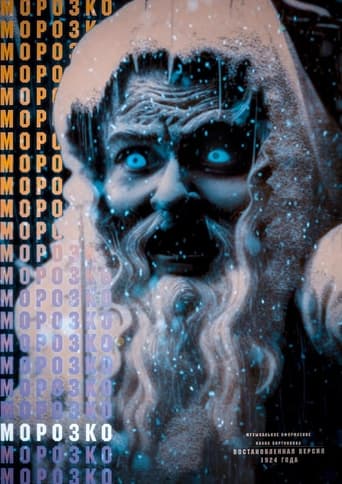
- The film 'Morozko' was an adaptation of a Russian fairy tale about Father Frost
- She was active during the very early years of Soviet cinema following the 1917 Revolution
- Many records from this early period of Soviet filmmaking are incomplete or lost
- The 1924 version of 'Morozko' should not be confused with the more famous 1964 Soviet film of the same name
- Early Soviet actors often had backgrounds in theater before transitioning to film
- Silent film actors in the Soviet Union faced unique challenges due to rapid political and social changes
- Many early Soviet films were propaganda pieces, though fairy tale adaptations like 'Morozko' served cultural preservation purposes
Frequently Asked Questions
Who was Klavdiya Yelanskaya?
Soviet actress from the early silent film era, known primarily for her appearance in the 1924 film 'Morozko'. Her documented career was extremely brief, spanning only the year 1924, making her one of the many early Soviet film performers whose contributions are preserved only through fragmentary historical records.
What films is Klavdiya Yelanskaya best known for?
Titles linked here include Morozko (1924).
When was Klavdiya Yelanskaya born and when did she die?
Specific birth and death dates for Klavdiya Yelanskaya are not documented in available historical records, which is common for many early Soviet film actors whose biographical information was not extensively preserved or has been lost over time.
What awards did Klavdiya Yelanskaya win?
There are no documented awards or honors for Klavdiya Yelanskaya, which is typical for actors from the very early Soviet film period when formal recognition systems for cinema were not yet established in the newly formed Soviet Union.
What was Klavdiya Yelanskaya's acting style?
Due to the limited documentation of her work and the loss of most films from this early period, Klavdiya Yelanskaya's specific acting style cannot be definitively determined. However, as a performer in early Soviet silent cinema, she likely employed the exaggerated physical expressions typical of the silent film era.
Why is so little known about Klavdiya Yelanskaya?
The scarcity of information about Klavdiya Yelanskaya reflects the broader challenge of documenting early Soviet cinema history. Many records from the 1920s were lost during political upheavals, wars, and the general chaos of the revolutionary period, leaving countless early performers like Yelanskaya as historical footnotes.