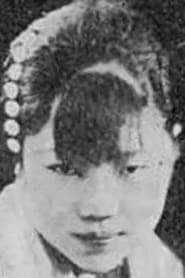
Yiwen Wang
Actor
Born: December 1914 in Changsha, Hunan Province, China Died: April 12, 1987 Active: 1931-1949 Birth Name: Wang Renmei (王人美)
Films
1 film
About Yiwen Wang
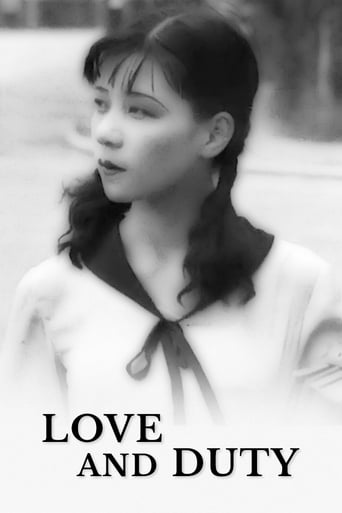
Yiwen Wang (王人美, 1914-1987) was a prominent Chinese actress during the golden age of Chinese cinema in the 1930s. She began her career in the early sound era of Chinese film and quickly rose to prominence with her performances in socially conscious dramas. Wang was particularly known for her work with the Lianhua Film Company, one of the major studios in Shanghai during this period. Her performance in "Love and Duty" (1931) alongside the Ruan Lingyu helped establish her as a significant figure in early Chinese cinema. Throughout the 1930s, she continued to appear in numerous films that reflected the social and political turmoil of pre-war China. Her the transition from silent films to talkies, and she adapted successfully to the new medium. Wang was part of a generation of Chinese actresses who helped define the early sound film era in China, bringing naturalism and emotional depth to their performances.
The Craft
On Screen
Wang was known for her naturalistic acting style that broke away from the theatrical traditions of earlier Chinese cinema. She brought emotional authenticity and subtle expressiveness to her roles, particularly in films dealing with social issues. Her performances were characterized by a modern sensibility that resonated with urban audiences in 1930s Shanghai.
Milestones
- Breakthrough role in 'Love and Duty' (1931)
- Leading role in 'The Great Road' (1934)
- Star of 'Song of the Fishermen' (1934)
- Prominent actress during Shanghai's golden age of cinema
- Survived the transition from silent to sound films
Best Known For
Iconic Roles
Must-See Films
Accolades
Special Recognition
- Recognized as one of the actresses of Chinese cinema
- Honored in Chinese film history retrospectives
Working Relationships
Worked Often With
Studios
Why They Matter
Impact on Culture
Yiwen Wang was part of the first generation of Chinese film stars who helped establish cinema as a legitimate art form and cultural medium in China. Her work in the 1930s contributed to the development of a distinctly Chinese cinematic language that could address contemporary social issues while entertaining mass audiences. As one of the prominent actresses of Shanghai's golden age of cinema, she helped define the image of the modern Chinese woman on screen.
Lasting Legacy
Wang's legacy lies in her contribution to the foundation of Chinese cinema during its formative years. She represents the transition from theatrical acting styles to more naturalistic performances in Chinese film. Her work, along with that of her contemporaries, laid the groundwork for future generations of Chinese actors and filmmakers. Today, she is remembered as one of the figures who helped establish Shanghai as the Hollywood of the East during the 1930s.
Who They Inspired
Wang influenced subsequent generations of Chinese actresses through her naturalistic acting style and her ability to portray complex, modern female characters. Her success demonstrated that Chinese cinema could produce stars who could compete with international cinema in terms of artistry and popular appeal. Many later Chinese actresses cited the 1930s generation, including Wang, as inspirations for their own careers.
Off Screen
Wang was married to fellow actor Jin Yan,. Their marriage was considered one of the golden couples of Shanghai's film industry during the 1930s. After the Communist revolution in 1949, she faced political difficulties due to her association with the 'bourgeois' film industry of the Republican era, though she was eventually rehabilitated.
Education
Educated in Changsha before moving to Shanghai to pursue acting career
Family
- Jin Yan (1930s-1940s)
Did You Know?
- Her birth name Wang Renmei translates to 'King's Beautiful Person'
- She was part of the 'Four Great Dan' actresses of 1930s Chinese cinema
- Discovered by talent scouts while working in Shanghai
- Her career coincided with what is now called the 'Golden Age' of Chinese cinema (1930s)
- Many of her films were lost during the Cultural Revolution
- She was one of the few actresses who successfully transitioned from silent to sound films
- Her films often dealt with themes of social justice and women's rights
- She worked during a period when Shanghai was known as the 'Paris of the East'
- Her marriage to Jin Yan was considered
- After 1949, she faced political persecution during various political campaigns
In Their Own Words
Cinema is not just entertainment, it's a mirror of our society and a voice for those who cannot speak
Frequently Asked Questions
Who was Yiwen Wang?
Yiwen Wang (1914-1987) was a Chinese actress who rose to fame during the golden age of Chinese cinema in the 1930s. She was known for her naturalistic acting style and appeared in numerous significant films including 'Love and Duty' (1931). Wang was part of the first generation of Chinese film stars who helped establish cinema as a legitimate art form in China.
What films is Yiwen Wang best known for?
Titles linked here include Love and Duty (1931), The Great Road (1934).
When was Yiwen Wang born and when did she die?
Born December 1914; died April 12, 1987.
What awards did Yiwen Wang win?
While Yiwen Wang did not receive formal awards during her active career in the 1930s (as award systems were not yet established in Chinese cinema), she has been posthumously recognized as one of the actresses of Chinese cinema. Her contributions are honored in Chinese film history retrospectives and academic studies of early Chinese cinema.
What was Yiwen Wang's acting style?
Yiwen Wang was known for her naturalistic acting style that broke away from the theatrical traditions of earlier Chinese cinema. She brought emotional authenticity and subtle expressiveness to her roles, particularly in films dealing with social issues. Her modern sensibility and realistic approach resonated with urban audiences in 1930s Shanghai.