Films
1 film
About María Forteza
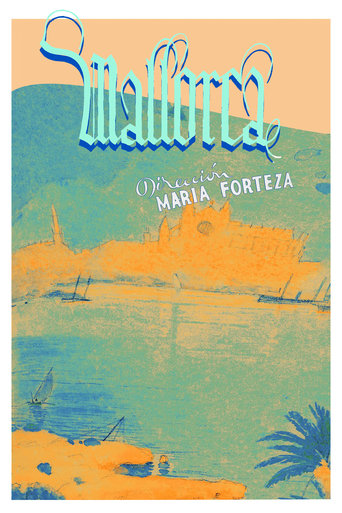
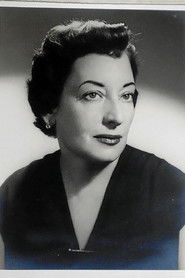
Made her mark during the early sound era of Spanish cinema. Her sole known directorial work, 'Mallorca' (1934), positions her as one of the rare female directors working in Spain during the Second Spanish Republic period. The film was a documentary or travelogue showcasing the island of Mallorca, reflecting the growing interest in regional cinema and cultural documentation during the 1930s. Forteza emerged during a particularly vibrant period for Spanish cinema, when the industry was transitioning from silent films to talkies and exploring new artistic possibilities. Her work as a director in 1934 was remarkable given the extreme scarcity of women in filmmaking roles during this era, both in Spain and internationally. While her career appears to have been brief, her contribution represents an important chapter in the history of women in cinema and Spanish film heritage. The exact circumstances of her entry into filmmaking and the reasons for her limited filmography remain subjects of historical inquiry.
The Craft
Behind the Camera
Documentary/travelogue style focusing on regional Spanish culture and landscapes
Milestones
- Directed 'Mallorca' (1934)
- One of the few female directors in 1930s Spanish cinema
Best Known For
Must-See Films
Accolades
Special Recognition
- Recognized as a female director in Spanish cinema history
Why They Matter
Impact on Culture
María Forteza's significance lies primarily in her rarity as a female director in 1930s Spain, a time when women were virtually excluded from filmmaking roles. Her documentary 'Mallorca' contributes to the important tradition of regional Spanish cinema that sought to capture and preserve local culture and landscapes. Her work represents an early example of women's participation in Spanish film production, predating the more recognized female directors of later decades. The existence of her film demonstrates that despite the barriers, some women were able to find opportunities in the early Spanish film industry, even if their careers were often brief and poorly documented.
Lasting Legacy
María Forteza's legacy is that of a trailblazer who helped pave the way for future generations of female filmmakers in Spain, even if her own career was limited to a single known work. She stands as an important figure in feminist film history, representing the hidden contributions of women to early cinema. Her documentary work on Mallorca also contributes to the preservation of Spanish regional culture through film. While she may not have achieved widespread recognition during her lifetime, modern film historians increasingly acknowledge the importance of figures like Forteza in understanding the full scope of early cinema history.
Who They Inspired
Due to the limited documentation of her work and career, Forteza's direct influence on other filmmakers is difficult to trace. However, her existence as a working female director in 1930s Spain undoubtedly provided inspiration and precedent for later women entering the Spanish film industry. She represents part of the foundation upon which subsequent generations of Spanish female directors would build their careers, even if they were not directly aware of her specific contributions.
Off Screen
Very little is known about María Forteza's personal life due to the limited historical documentation about early Spanish film figures, particularly women in the industry. Her brief appearance in the film record during 1934 suggests she may have been involved in cinema for a short period before or after this date. The scarcity of information about her reflects the broader challenge of documenting women's contributions to early cinema, where many records have been lost or never properly archived.
Did You Know?
- María Forteza was one of only a handful of women directing films in Spain during the 1930s
- Her film 'Mallorca' (1934) is her only known directorial credit
- She worked during the Second Spanish Republic, a period of cultural flourishing in Spain
- Her documentary focused on Mallorca, reflecting the era's interest in regional Spanish culture
- Very little archival material about her life and career survives today
- Her brief film career reflects the extreme difficulties women faced in the early film industry
- She represents an important but largely forgotten chapter in Spanish cinema history
- The exact circumstances of how she entered filmmaking remain unknown
Frequently Asked Questions
Who was María Forteza?
Spanish on YTB.my. She was one of the very few women working as directors in Spanish cinema during the 1930s, making her a significant figure in early feminist film history despite her brief career.
What films is María Forteza best known for?
Titles linked here include Mallorca (1934).
When was María Forteza born and when did she die?
Unfortunately, specific birth and death dates for María Forteza are not available in historical records. The limited documentation about her life reflects the broader challenge of preserving information about early film figures, particularly women in the industry during the 1930s.
What awards did María Forteza win?
There are no records of María Forteza receiving formal awards or nominations during her lifetime. However, she is recognized in modern film history as an important figure as one of the few female directors working in 1930s Spanish cinema.
What was María Forteza's directing style?
Based on her known work 'Mallorca', Forteza's directing style appears to have been documentary-focused, capturing regional Spanish culture and landscapes. Her approach aligned with the travelogue genre popular during the early sound era, which sought to document and showcase different regions and their cultural heritage.