Doc Cheatham
Actor
Born: June 13, 1905 in Nashville, Tennessee, USA Died: June 2, 1997 Active: 1920s-1997 (musical career), 1945 (film appearance) Birth Name: Adolphus Anthony Cheatham
Films
1 film
About Doc Cheatham
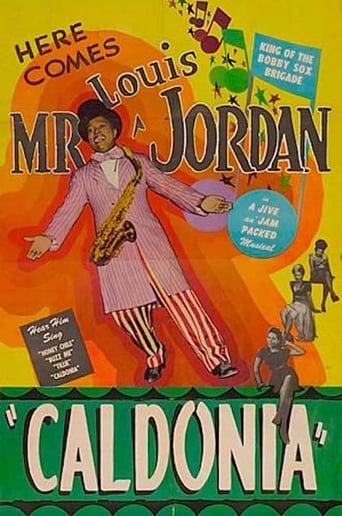
Doc Cheatham, born Adolphus Anthony Cheatham, was primarily renowned as one of jazz's most enduring and beloved trumpeters, though he did make a brief appearance in the 1945 musical short film 'Caldonia.' His an remarkable seven decades, beginning in the 1920s when he played with some of the earliest jazz bands in Chicago and New York. Throughout his long career, Cheatham worked with figures including Benny Goodman, Cab Calloway, and Teddy Wilson, establishing himself excelled in both early jazz and swing styles. His appearance in 'Caldonia' came during a period when many jazz musicians were featured in musical short films that were popular in theaters. Cheatham's musical career experienced a remarkable renaissance in his later years, particularly after he began recording extensively in the 1980s and 1990s, earning him recognition as one of jazz's elder statesmen. Despite his limited film work, his contribution to American music through his trumpet playing was substantial, and he continued performing almost until his death at age 91. His warm, lyrical trumpet style and gentle personality made him a beloved figure in the jazz community.
The Craft
On Screen
Natural presence typical of musicians appearing in musical shorts of the era
Milestones
- Began professional career in 1920s with African American theater bands
- Recorded with Benny Goodman in the 1930s
- Appeared in 'Caldonia' (1945) musical short
- Career renaissance in 1980s with extensive recording
- Received Grammy nomination in 1996
- Performed internationally until age 91
Best Known For
Iconic Roles
Must-See Films
Accolades
Won
- Grammy nomination for Best Jazz Instrumental Performance (1996)
Nominated
- Grammy Award nomination for 'Doc Cheatham & Nicholas Payton' (1996)
Special Recognition
- Inducted into the Big Band and Jazz Hall of Fame
- Recognized as one of jazz's elder statesmen
- International Jazz Hall of Fame inductee
Working Relationships
Worked Often With
Studios
Why They Matter
Impact on Culture
Doc Cheatham's primary cultural impact was through his extraordinary contributions to jazz music as a trumpeter. His appearance in 'Caldonia' (1945) represents the important role that jazz musicians played in American popular culture during the swing era, when musical shorts featuring jazz artists were a staple of cinema programming. Cheatham's career, spanning from the early days of jazz through the modern era, made him a living connection to the origins of the art form. His later career renaissance in the 1980s and 1990s helped spark renewed interest in traditional jazz among younger audiences. As an African American musician who navigated the changing landscape of American music through seven decades, Cheatham's story reflects the broader evolution of jazz and its acceptance in American culture.
Lasting Legacy
Doc Cheatham's legacy is primarily that of one of jazz's most enduring and beloved trumpet players. His career serves as a bridge connecting the earliest days of jazz with its modern forms. In his later years, he became a symbol of artistic longevity and the timeless appeal of classic jazz. His recordings, particularly those from his 80s and 90s, are considered essential listening for jazz enthusiasts. While his film work was minimal, his appearance in 'Caldonia' documents the important intersection of jazz and cinema during the swing era. Cheatham is remembered not only for his musical artistry but also for his role as a mentor to younger musicians and his embodiment of jazz history.
Who They Inspired
Doc Cheatham influenced generations of jazz trumpeters through his lyrical playing style and mastery of both early jazz and swing traditions. His ability to adapt his playing across different eras of jazz demonstrated the versatility required for longevity in the art form. Younger musicians, particularly in his later years, sought him out for his wisdom and experience. His collaborations with younger artists like Nicholas Payton helped bridge generational gaps in jazz. Cheatham's approach to the trumpet, emphasizing melody and warmth over technical flash, influenced many players who sought a more lyrical style. His career trajectory also served as an inspiration for musicians seeking to maintain artistic relevance throughout their lives.
Off Screen
Doc Cheatham was married twice during his lifetime. He was known for his warm personality and dedication to music throughout his life. He maintained an active performing schedule well into his 90s, becoming one of the oldest working jazz musicians. Cheatham was respected not only for his musical abilities but also for his gentle nature and willingness to mentor younger musicians.
Education
Self-taught musician; learned trumpet through early experience with local bands in Nashville
Family
- First spouse (1920s-1930s)
- Alice Cheatham (1940s-1997)
Did You Know?
- His nickname 'Doc' came from his early habit of carrying a medical kit and providing first aid to fellow musicians
- He didn't record extensively as a leader until his 70s and 80s, when his career experienced a major renaissance
- He continued performing professionally until just weeks before his death at age 91
- His trumpet style was characterized by its warm, lyrical quality rather than technical virtuosity
- He worked with virtually every major figure in jazz history across his seven-decade career
- His Grammy nomination at age 90 made him one of the oldest nominees in Grammy history
- He was completely self-taught on the trumpet
- During his early career, he also played clarinet and saxophone
- He was a regular performer at New York's Sweet Basil jazz club in his later years
- His final recording was made just months before his death
In Their Own Words
I never tried to be the fastest or the loudest. I just tried to play pretty.
Music is a lifetime thing. You keep learning until the day you die.
The trumpet is like a voice - it should sing, not shout.
I've been lucky to play with all the greats, but the greatest thing is still playing music itself.
Frequently Asked Questions
Who was Doc Cheatham?
Legendary American jazz trumpeter whose active years covered seven decades, from the 1920s until his death in 1997. While primarily known as a musician, he made a brief appearance in the 1945 musical short film 'Caldonia.' He was renowned for his lyrical trumpet playing and became one of jazz's most beloved elder statesmen.
What films is Doc Cheatham best known for?
Titles linked here include Caldonia (1945).
When was Doc Cheatham born and when did he die?
Born June 13, 1905; died June 2, 1997.
What awards did Doc Cheatham win?
Doc Cheatham received a Grammy nomination in 1996 for his album 'Doc Cheatham & Nicholas Payton' in the Best Jazz Instrumental Performance category. He was also inducted into the Big Band and Jazz Hall of Fame and the International Jazz Hall of Fame.
What was Doc Cheatham's musical style?
Doc Cheatham's trumpet style was characterized by its warm, lyrical quality and melodic focus rather than technical virtuosity. He was known for his beautiful tone and ability to tell stories through his instrument, making the trumpet 'sing' rather than shout. His style evolved from early jazz through swing to modern interpretations throughout his long career.