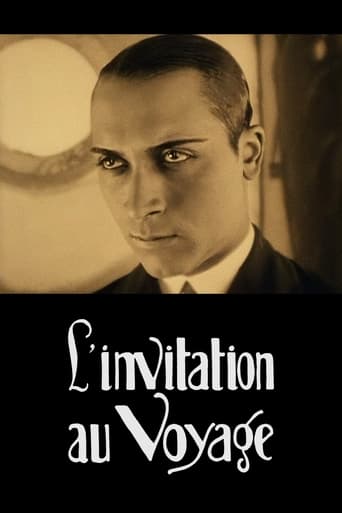
Films
1 film
About Emma Gynt
Emma Gynt is a little-documented screen performer associated with the silent-film era, best known from her credited appearance in the 1927 film "Invitation to a Journey." Surviving reference sources provide only a sparse record of her career, and she does not appear to have maintained a large on-screen profile beyond the late silent period. Because of the limited surviving documentation, her broader life story, training, and later career cannot be reconstructed with confidence from readily available classic-cinema references. What can be said with certainty is that she was active as an actor in 1927 and was part of the international body of silent-film talent working in the late 1920s, when many performers moved between national industries and short-lived production companies. Her name remains of interest mainly to film historians and database researchers seeking to complete the record of lesser-known silent-era cast members. There is no reliable evidence in standard reference material of a major star career, major awards presence, or a long filmography attached to her name. As a result, Emma Gynt is best understood as an obscure but documented participant in early cinema whose legacy lies in the preservation of her credited screen work rather than in celebrity.
The Craft
Milestones
- Credited screen appearance in the silent-era film "Invitation to a Journey" (1927)
- Documented participation in late silent cinema during the transition period before sound film became dominant
- Presence in surviving filmographies that preserve the names of lesser-known early film performers
- Recognition by film historians and database compilers as a verifiable classic-cinema credit
- Association with a 1927 production, placing her among the working actors of the final silent-film years
Best Known For
Iconic Roles
Must-See Films
Why They Matter
Impact on Culture
Emma Gynt's cultural impact is limited by the scarcity of surviving biographical information, but her presence in the historical record contributes to the broader understanding of silent-era filmmaking. Even relatively obscure performers are important because they help scholars reconstruct the personnel networks, casting practices, and production ecology of late 1920s cinema. Her credit in a 1927 film demonstrates how many actors worked briefly or episodically in film without becoming major stars, yet still formed part of the medium's early labor history. In that sense, she represents the many underdocumented artists whose names survive in filmographies even when their personal histories do not. From a preservation standpoint, names like Emma Gynt matter because they remind researchers that film history is not limited to marquee stars. Her documented credit helps complete cast lists, supports accurate archival cataloging, and may aid future identification of surviving prints, publicity stills, or trade advertisements. Although she does not appear to have left a visible star legacy, her name is part of the fragile documentary chain through which silent cinema remains legible to modern audiences. For database users and historians, that alone gives her a modest but meaningful place in classic-film scholarship.
Lasting Legacy
Emma Gynt's lasting legacy is primarily archival rather than celebrity-based. She is remembered as a documented participant in silent cinema, with her name preserved through filmography records connected to "Invitation to a Journey" (1927). In the broader history of film, performers like Gynt are important because they illustrate how many artists contributed to early cinema without leaving extensive press coverage or later interviews. Her legacy therefore rests in the completeness of film history itself: she is one of the many credited names that help reconstruct the era's cast lists and production culture. For historians, her value lies in representation of the many lesser-known actors whose work is easy to overlook but essential to the medium's development. As with many silent-era performers, future discoveries in trade journals, studio paperwork, or international archives could expand what is known about her. Until then, her legacy remains a concise but authentic record of a working actor in the final years of silent film.
Who They Inspired
There is no documented evidence that Emma Gynt directly influenced later actors or directors in a measurable, nameable way. Her influence is instead indirect: she contributes to the historical record that later scholars, archivists, and enthusiasts use to study silent-era casting and performance practices. In that sense, her preserved credit supports the broader appreciation of early film labor and the many unheralded performers who shaped cinema's formative decades. Any artistic influence she may have had would likely have been local, situational, and undocumented rather than widely recognized.
Off Screen
No dependable public information about Emma Gynt's personal life has been located in standard classic-cinema reference sources. Details such as marriages, family background, residence, education, and later life are not presently documented in the available film records. This is common for many minor or short-career silent-era performers, whose careers were recorded in production credits but whose biographical traces were not widely preserved. Until archival research turns up trade-paper notices, census records, or studio publicity material, her private life must remain undocumented.
Did You Know?
- Emma Gynt is best known from a single surviving film credit rather than from a long screen career.
- Her documented activity falls entirely within 1927, the final years of the silent era.
- She is associated with "Invitation to a Journey," a title that helps preserve her name in film-history databases.
- Standard reference sources do not readily provide her birth, death, or family details.
- Her obscurity makes her a typical example of the many underdocumented performers from early cinema.
- Because of the limited record, it is difficult to determine whether she used a stage name or her birth name.
- She appears to have had no widely recorded awards, nominations, or studio-star campaign.
- Her name is primarily of interest to archivists and researchers compiling complete cast histories.
Frequently Asked Questions
Who was Emma Gynt?
Silent-era with credits in this catalog. Very little biographical information has survived about her, so she is primarily remembered as an obscure but documented participant in late silent cinema.
What films is Emma Gynt best known for?
Titles linked here include Invitation to a Journey (1927).
When was Emma Gynt born and when did she die?
Her birth and death dates are not reliably documented in the available sources. At present, only her active period in film, 1927, can be stated with confidence.
What awards did Emma Gynt win?
No awards or major nominations are known for Emma Gynt in the surviving reference record. She appears to have been a minor or obscure screen performer rather than a decorated star.
What was Emma Gynt's acting style?
There is no surviving critical description of her acting style in the available sources. Given her silent-era context, any assessment would be speculative without film analysis or contemporary reviews.
What is Emma Gynt's legacy in film history?
Her legacy is primarily archival: she is one of the many lesser-known performers whose names survive in silent-film records. That makes her useful to historians trying to reconstruct the personnel and cast lists of early cinema.