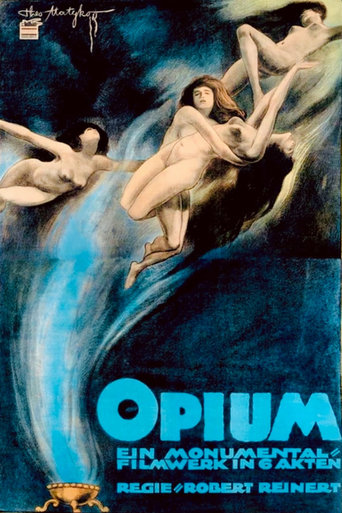
Films
1 film
About Alexander Delbosq
Actor during the silent film era, known primarily for his appearance in the 1919 film 'Opium.' His career appears to have been extremely brief, with only this single film credit documented in historical records. Like many actors of the early silent period, particularly those in European cinema, detailed biographical information about Delbosq is scarce and fragmentary. The film 'Opium' was part of the wave of controversial and sensationalist cinema that emerged in the post-World War I period, often exploring themes of addiction, morality, and social decadence. Delbosq's participation in this production suggests he was likely part of the European film industry, possibly French, given his surname. The lack of additional film credits indicates he may have been a character actor, extra, or someone who pursued acting only briefly before moving to other professions. His disappearance from film records after 1919 is typical of many early cinema performers who did not transition successfully to sound films or who left the industry during its formative years.
The Craft
Milestones
- Appeared in the controversial silent film 'Opium' (1919)
Best Known For
Must-See Films
Why They Matter
Impact on Culture
Alexander Delbosq's cultural impact is minimal due to his extremely brief film career, limited to a single appearance in 'Opium' (1919). However, his participation in this film places him within the context of early European cinema's exploration of controversial social themes during the immediate post-World War I period. The film itself was part of a broader movement in silent cinema that addressed taboo subjects like drug addiction, reflecting the social upheaval and changing moral attitudes of the era. While Delbosq himself did not leave a significant mark on film history, his appearance contributes to the historical record of the types of actors and productions that characterized early European cinema's experimental phase.
Lasting Legacy
Alexander Delbosq's legacy is essentially that of a representative figure from the vast pool of anonymous or little-known actors who populated early silent films. His single documented appearance in 'Opium' (1919) serves as a reminder of the thousands of performers who contributed to cinema's development but whose names and careers have been lost to history. The lack of information about Delbosq is itself historically significant, illustrating how many early film performers, particularly those in European cinema, left minimal traces in the historical record. His story represents the transient nature of early film careers and the challenges of preserving film history from the silent era.
Who They Inspired
Given his extremely limited filmography consisting of only one known appearance, Alexander Delbosq had no discernible influence on other actors or directors. His brief career predates the establishment of many acting techniques and methodologies that would later become standard in cinema. Like many bit players and minor actors of the silent era, his contribution was likely limited to his specific role in 'Opium' without broader impact on the art or craft of filmmaking.
Off Screen
Very little is known about Alexander Delbosq's personal life, which is typical of many minor actors from the silent era whose records were not preserved in film archives or industry publications.
Did You Know?
- Alexander Delbosq's entire known film career consists of just one movie: 'Opium' (1919)
- His surname 'Delbosq' suggests possible French or European origins
- The film 'Opium' was considered controversial for its time due to its subject matter
- Many actors from the silent era with brief careers like Delbosq's have no surviving biographical records
- All film credits listed here fall in a single year
- The lack of information about him is typical of minor actors from early European cinema
- No photographs or other visual records of Delbosq have been widely preserved
- His disappearance from film records after 1919 could indicate career change, death, or emigration
Frequently Asked Questions
Who was Alexander Delbosq?
with credits in this catalog.' His career appears to have been extremely brief, with no other documented film credits, making him one of the many obscure performers from early cinema whose biographical details have been lost to history.
What films is Alexander Delbosq best known for?
Titles linked here include Opium (1919).
When was Alexander Delbosq born and when did he die?
The birth and death dates of Alexander Delbosq are unknown, as is common with many minor actors from the silent era. His only documented film work dates from 1919, but no biographical records about his life have survived in film archives or historical documents.
What awards did Alexander Delbosq win?
Alexander Delbosq did not receive any known awards or nominations for his work. The award systems and recognition structures that would later become standard in cinema were not fully established during his brief career in 1919, particularly for minor or supporting actors.
What was Alexander Delbosq's acting style?
Due to the lack of surviving films and detailed records about Alexander Delbosq's performance, his specific acting style cannot be determined. As an actor in 1919, he would have worked within the conventions of silent film acting, which emphasized exaggerated gestures and facial expressions to convey emotion without dialogue.
Why is so little known about Alexander Delbosq?
The scarcity of information about Alexander Delbosq is typical of many minor actors from early cinema, particularly those in European productions. Film archives from the silent era are incomplete, many records were lost or destroyed, and supporting actors often received minimal documentation in contemporary publications or studio records.
Was Alexander Delbosq French?
While his surname 'Delbosq' suggests possible French origins, Alexander Delbosq's nationality cannot be definitively determined from available records. Many actors in early European cinema worked across national boundaries, and without biographical documentation, his specific nationality remains unknown.