Films
2 films
About V. Vasilyev
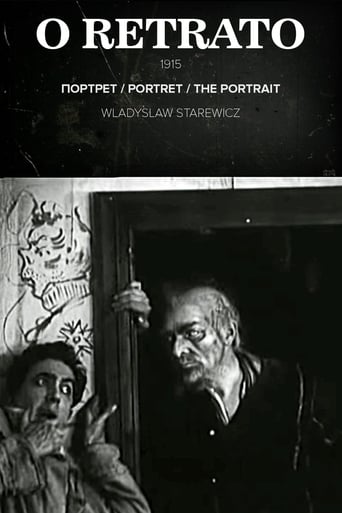
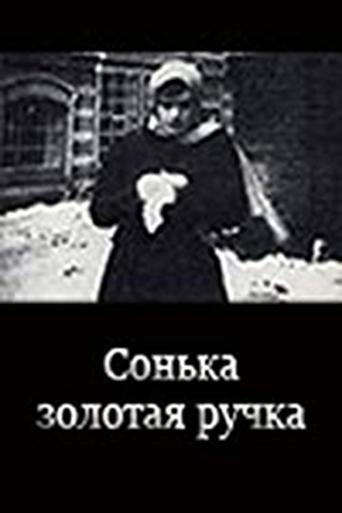
V. Vasilyev appears in Sonka the Golden Hand (1914), The Portrait (1915) in this catalog. Working primarily in the silent era around 1914-1915. His career, though brief, coincided with the golden age of pre-revolutionary Russian filmmaking when directors like Yevgeni Bauer were establishing the artistic foundations of Russian cinema. Vasilyev appeared in at least two notable films that have survived to the present day, demonstrating the growing sophistication of Russian narrative filmmaking before the Bolshevik Revolution. His work in 'Sonka the Golden Hand' (1914) showcased his ability to portray characters in dramatic crime narratives that were popular with early Russian audiences. In 'The Portrait' (1915), he contributed to what was considered one of the more artistically ambitious productions of its time, reflecting the influence of Russian literature on early cinema. Unfortunately, like many actors from this period, detailed records of his life and career are scarce due to the political upheavals that followed and the loss of many archival materials. His filmography represents a small but significant window into the development of professional acting in early Russian cinema.
The Craft
On Screen
Vasilyev's acting style was typical of the transitional period in Russian cinema, moving away from theatrical gestures toward more naturalistic screen performance. His performances in both surviving films demonstrate the emerging film acting techniques that would influence later Russian actors, with an emphasis on emotional expression suitable for the silent medium.
Milestones
- Appeared in 'Sonka the Golden Hand' (1914)
- Starred in 'The Portrait' (1915)
- Contributed to pre-revolutionary Russian cinema
- Worked during the formative period of Russian film industry
Best Known For
Iconic Roles
Must-See Films
Working Relationships
Studios
Why They Matter
Impact on Culture
Vasilyev's work represents an important chapter in the development of Russian cinema during its formative years. His participation in early narrative films helped establish the conventions of screen acting in Russia, contributing to the artistic foundation that would later influence world-renowned Russian directors like Eisenstein and Vertov. The films he appeared in, particularly those that have survived, serve as valuable artifacts documenting the evolution of cinematic storytelling techniques in pre-revolutionary Russia.
Lasting Legacy
Though his career was brief and his name largely forgotten, Vasilyev's contributions to early Russian cinema endure through the surviving films that showcase the nascent art form's development. His work, along with that of his contemporaries, helped establish the professional standards and artistic aspirations that would make Russian cinema internationally significant in subsequent decades. The preservation of his films provides modern scholars and enthusiasts with crucial insights into the techniques and aesthetics of early 20th-century Russian filmmaking.
Who They Inspired
As an early practitioner of film acting in Russia, Vasilyev was part of the generation that helped transition performance techniques from the stage to the screen. While specific details about his influence on other actors are not documented, his work contributed to the collective development of screen acting methods that would be refined and expanded by subsequent generations of Russian performers.
Off Screen
Very little is known about Vasilyev's personal life, which was common for many early Russian film actors whose biographical details were not extensively documented. Like many performers of his era, he likely came from a theatrical background before transitioning to the new medium of cinema.
Did You Know?
- Vasilyev worked during what is considered the first golden age of Russian cinema (1913-1917)
- Both films he appeared in were produced by the Khanzhonkov Company, one of Russia's first major film studios
- 'Sonka the Golden Hand' was based on the real story of a notorious female criminal from Odessa
- The period when Vasilyev was active saw Russian cinema producing over 100 films per year
- Many Russian actors from this period used initials rather than full names in credits
- The Russian film industry of 1914-1915 was among the most productive in Europe
- Vasilyev's career coincided with the outbreak of World War I, which significantly impacted Russian film production
- Both of his known films have survived, making them valuable historical documents
- Early Russian actors often worked in multiple films per year due to high demand
- The Khanzhonkov Company where Vasilyev worked was founded by Alexander Khanzhonkov in 1906
Frequently Asked Questions
Who was V. Vasilyev?
Early Russian film with credits in this catalog.
What films is V. Vasilyev best known for?
Titles linked here include Sonka the Golden Hand (1914), The Portrait (1915).
When was V. Vasilyev born and when did he die?
Unfortunately, specific birth and death dates for V. Vasilyev are not available in historical records, which is common for many early Russian film actors from this period.
What awards did V. Vasilyev win?
No awards or nominations for V. Vasilyev have been documented, as formal award systems for cinema were not yet established during his brief career in the 1910s.
What was V. Vasilyev's acting style?
Vasilyev's acting style reflected the transitional period of early Russian cinema, moving from theatrical traditions toward more naturalistic screen performance suitable for silent films.
What was significant about the era when V. Vasilyev worked?
The period 1914-1915 was part of the first golden age of Russian cinema, when the country was producing over 100 films annually and establishing artistic foundations that would influence world cinema.
Why is so little known about V. Vasilyev?
Limited information about Vasilyev is typical of early Russian actors due to the loss of many archival materials during the Russian Revolution and subsequent political upheavals, plus the lack of systematic record-keeping in early cinema.