Films
1 film
About Wang Runshen
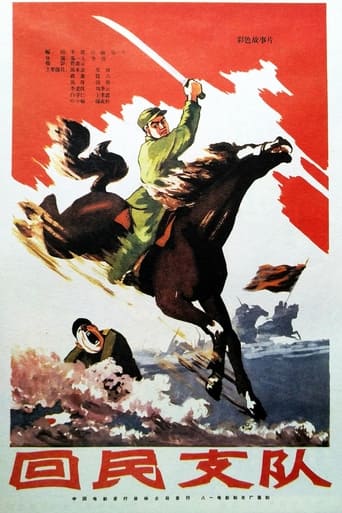
The 1959 film Ethnic Hui Detachment is the only title linked here for Wang Runshen. His most recognized work came in 1959 when he appeared in 'Ethnic Hui Detachment,' a historical film that celebrated the contributions of the Hui ethnic group to China's revolutionary history. Like many actors of his era, Wang's career was shaped by the political and cultural climate of post-revolutionary China, where cinema served as an important tool for national education and cultural promotion. His performance in this film, though his only known credited work, demonstrated the acting style characteristic of the period - earnest, ideologically committed, and focused on portraying positive revolutionary characters. The 1950s marked a significant period in Chinese cinema history, with the industry recovering from years of war and establishing new production systems under state guidance. Wang's brief career trajectory suggests he may have been one of many actors who participated in film production during this era but did not continue in the industry long-term, possibly due to the political upheavals that would soon follow in the Cultural Revolution.
The Craft
On Screen
Characteristic of 1950s Chinese socialist realist cinema - earnest, ideologically committed performances emphasizing revolutionary virtues and collective values
Milestones
- Appeared in 'Ethnic Hui Detachment' (1959)
Best Known For
Iconic Roles
Must-See Films
Why They Matter
Impact on Culture
Wang Runshen's contribution to Chinese cinema, while brief, represents the broader landscape of 1950s Chinese film production during the early years of the People's Republic. His participation in 'Ethnic Hui Detachment' reflects the era's emphasis on films that promoted ethnic unity and celebrated the contributions of China's diverse ethnic groups to the revolution. The film itself was part of a broader cultural initiative to document and dramatize the role of minority groups in China's revolutionary history, helping to construct a unified national narrative that acknowledged ethnic diversity within the framework of socialist unity.
Lasting Legacy
Wang Runshen's legacy is primarily preserved through his appearance in 'Ethnic Hui Detachment,' a film that remains an important historical document of 1950s Chinese cinema. While his individual career was brief, his work contributes to our understanding of the acting styles, production values, and ideological content of Chinese films from this period. The film itself serves as an example of how cinema was used to promote ethnic harmony and revolutionary values during the early years of the People's Republic of China.
Who They Inspired
As a character actor with limited filmography, Wang Runshen's direct influence on subsequent generations of actors is difficult to trace. However, his work exemplifies the acting approaches and techniques that were prevalent in Chinese cinema during the late 1950s, which would influence subsequent generations of Chinese performers working within the socialist realist tradition.
Off Screen
Limited information is available about Wang Runshen's personal life, which is common for many character actors from this period of Chinese cinema who had brief careers and limited public documentation.
Did You Know?
- Only known to have been active as an actor in 1959
- Appeared in 'Ethnic Hui Detachment,' which focused on the Hui ethnic group's military contributions
- His career coincided with the tenth anniversary of the founding of the People's Republic of China
- The film he appeared in was typical of the era's emphasis on ethnic unity and revolutionary themes
- Like many Chinese actors of his generation, his career may have been affected by the political changes that followed in the 1960s
Frequently Asked Questions
Who was Wang Runshen?
Chinese with credits in this catalog.' His career appears to have been brief, with only this single credited film role documented.
What films is Wang Runshen best known for?
Titles linked here include Ethnic Hui Detachment (1959).
When was Wang Runshen born and when did he die?
Specific birth and death dates for Wang Runshen are not available in documented sources, which is common for many character actors from this period of Chinese cinema who had brief careers.
What awards did Wang Runshen win?
There are no documented awards or nominations for Wang Runshen, which is not unusual for character actors with limited filmographies from this era of Chinese cinema.
What was Wang Runshen's acting style?
Based on the era and film type, Wang Runshen's acting style would have been characteristic of 1950s Chinese socialist realist cinema - emphasizing earnest, ideologically committed performances that portrayed revolutionary virtues and collective values.
Why is information about Wang Runshen so limited?
Limited information about Wang Runshen is common for many Chinese character actors from this period, particularly those with brief careers. Historical records from 1950s Chinese cinema are often incomplete, and many actors' biographies were not extensively documented, especially if they were not major stars.