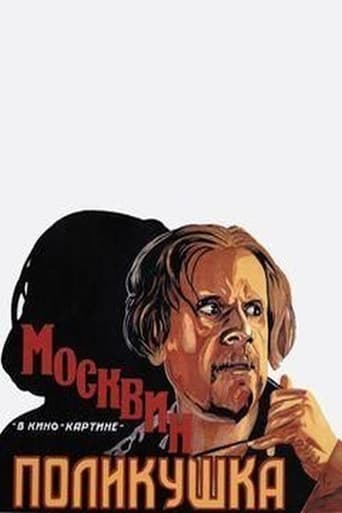
Films
1 film
About Varvara Bulgakova
Varvara Bulgakova worked on one surviving credit: Polikushka (1922). Her career, though brief, coincided with the revolutionary period of Soviet filmmaking in the early 1920s. She is known primarily for her role in the 1922 silent film 'Polikushka,' which was directed by Aleksandr Ivanovsky and based on a story by Leo Tolstoy. This film was among the early adaptations of Russian literature for the screen during the Soviet era. Bulgakova's performance reflected the emerging acting styles of the time, transitioning from theatrical traditions to more naturalistic film performances. Her career appears to have been limited to the early 1920s, a period when many actors participated in the burgeoning Soviet film industry. Unfortunately, like many early film personalities from this era, detailed records of her life and career are scarce, with 'Polikushka' remaining her only documented film credit.
The Craft
On Screen
Likely employed the theatrical-influenced style common in early silent cinema, with exaggerated gestures and expressions typical of the period, transitioning toward the more naturalistic approach emerging in Soviet film
Milestones
- Appeared in 'Polikushka' (1922), an early Soviet adaptation of Tolstoy's work
- Participated in the formative period of Soviet cinema
- Contributed to early Russian silent film era
Best Known For
Iconic Roles
Must-See Films
Working Relationships
Worked Often With
Studios
Why They Matter
Impact on Culture
Varvara Bulgakova represents the generation of actors who helped establish Soviet cinema during its infancy in the early 1920s. Her participation in adaptations of classic Russian literature contributed to the cultural mission of early Soviet filmmaking, which sought to bring literary masterpieces to the masses through the new medium of cinema. Though her individual impact may be difficult to trace due to limited documentation, she was part of the foundational period that would later produce the golden age of Soviet cinema.
Lasting Legacy
Varvara Bulgakova's legacy is preserved through her contribution to early Soviet cinema, particularly in the adaptation of Tolstoy's work. She represents the many actors from the silent era whose performances helped bridge the gap between theatrical traditions and cinematic art. While her name may not be widely recognized today, she is part of the historical continuum of Russian film that would later influence world cinema.
Who They Inspired
As an early participant in Soviet cinema, Varvara Bulgakova was part of the generation that established acting techniques and approaches specifically tailored for film, which would influence subsequent generations of Soviet actors. The early adaptations of literature she participated in helped create a tradition of literary adaptation that became a hallmark of Soviet filmmaking.
Off Screen
Very little is documented about Varvara Bulgakova's personal life, which is typical for many early Soviet film actors whose records were not extensively preserved or archived during the turbulent early years of the Soviet Union.
Did You Know?
- Polikushka (1922) was based on a story by Leo Tolstoy, reflecting the early Soviet focus on adapting classic Russian literature
- The film was directed by Aleksandr Ivanovsky, who would become an important figure in Soviet cinema
- 1922 was a crucial year for Soviet cinema, following the end of the Russian Civil War
- Early Soviet films like Polikushka often focused on social themes and class struggle
- Many early Soviet actors, like Bulgakova, came from theatrical backgrounds
- The preservation status of many early Soviet films from this period is uncertain
- Silent film actors in the early 1920s had to develop new techniques specific to the medium of film
- The early Soviet film industry was state-controlled even in its infancy
- Actors from this period often worked in multiple disciplines including theater and film
Frequently Asked Questions
Who was Varvara Bulgakova?
Early Soviet film actress active during the silent era, best known for her role in the 1922 film 'Polikushka.' She was part of the generation of actors who helped establish Soviet cinema during its formative years.
What films is Varvara Bulgakova best known for?
Titles linked here include Polikushka (1922).
When was Varvara Bulgakova active in film?
Varvara Bulgakova's film career was brief and appears to have been limited to the year 1922, coinciding with the early development of Soviet cinema following the Russian Civil War.
What was the significance of 'Polikushka' (1922)?
'Polikushka' was significant as an early Soviet adaptation of Tolstoy's work, reflecting the new government's interest in bringing classic Russian literature to film audiences and establishing a national cinema tradition.
What was Varvara Bulgakova's acting style?
Like most actors of the early silent era, Bulgakova likely employed a theatrical-influenced style with exaggerated gestures and expressions, which was typical before the development of more naturalistic film acting techniques.
Why is there limited information about Varvara Bulgakova?
Limited information about Varvara Bulgakova is typical for many early Soviet film actors, as documentation from this turbulent period was often incomplete, and many records from the early 1920s were not preserved or archived systematically.