Films
2 films
About Xie Wanhe
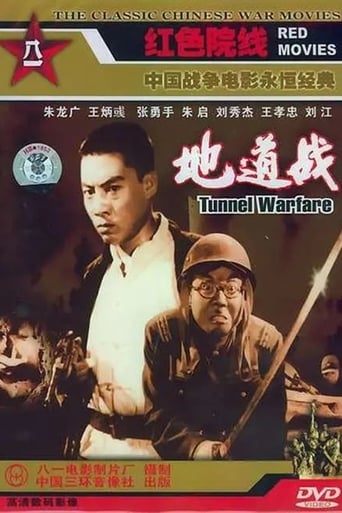
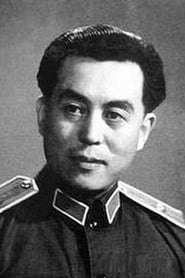
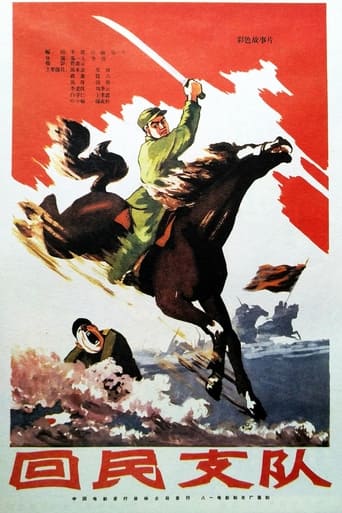
Chinese actor active during the late 1950s and mid-1960s, appearing in several notable productions of China's revolutionary cinema period. His career, though brief, coincided with a significant era in Chinese filmmaking that emphasized patriotic themes and historical narratives. He gained recognition for his roles in war films that depicted Chinese resistance against foreign invasion and celebrated the heroism of ordinary people. His performances in 'Ethnic Hui Detachment' (1959) and 'Tunnel Warfare' (1965) showcased his ability to portray characters representing the working class and revolutionary spirit of the time. While primarily a supporting actor, his contributions helped shape the visual storytelling of China's socialist cinema movement. His filmography, though limited, represents important examples of Chinese cinema from the period before the Cultural Revolution.
The Craft
On Screen
Xie Wanhe's acting style reflected the realistic and naturalistic approach favored in Chinese revolutionary cinema of the 1960s, emphasizing authentic portrayals of working-class characters and revolutionary heroes. His performances were characterized by a grounded, understated delivery that served the narrative's political and social messages.
Milestones
- Appeared in 'Ethnic Hui Detachment' (1959)
- Starred in 'Tunnel Warfare' (1965)
- Contributed to Chinese revolutionary cinema of the 1960s
Best Known For
Iconic Roles
Must-See Films
Working Relationships
Studios
Why They Matter
Impact on Culture
Xie Wanhe contributed to the important genre of Chinese revolutionary cinema during the 1960s, a period when film served as both entertainment and political education. His work in war films like 'Tunnel Warfare' helped document and popularize stories of Chinese resistance against Japanese occupation, contributing to national memory and historical consciousness. These films were instrumental in shaping Chinese cultural identity and promoting socialist values through accessible cinematic narratives.
Lasting Legacy
Xie Wanhe's legacy lies in his participation in some of the most significant Chinese war films of the 1960s, which continue to be studied as important cultural artifacts of their time. His work, along with that of his contemporaries, helped establish the visual language and narrative conventions of Chinese revolutionary cinema that would influence subsequent generations of filmmakers.
Who They Inspired
As a supporting actor in influential war films, Xie Wanhe contributed to the archetypes and performance styles that would define Chinese military cinema for decades. His portrayals of resistance fighters helped create templates for how such characters would be depicted in later Chinese films and television productions.
Off Screen
Limited information is available about Xie Wanhe's personal life, as was common for many supporting actors of his era in Chinese cinema. His career appears to have been concentrated during a specific period of Chinese filmmaking that emphasized collective rather than individual achievement.
Did You Know?
- Appeared in 'Tunnel Warfare,'
- His active years covered a crucial period in Chinese cinema history before the Cultural Revolution
- Worked during an era when Chinese films emphasized collective heroism over individual stardom
- Participated in films that depicted the Hui ethnic group, contributing to ethnic representation in Chinese cinema
- His film work represents examples of socialist realist cinema in China
Frequently Asked Questions
Who was Xie Wanhe?
Screen credits include notable Chinese war films including 'Ethnic Hui Detachment' (1959) and 'Tunnel Warfare' (1965). He was part of the generation of actors who contributed to China's revolutionary cinema movement.
What films is Xie Wanhe best known for?
Titles linked here include Ethnic Hui Detachment (1959), Tunnel Warfare (1965).
When was Xie Wanhe active in film?
Xie Wanhe's known film active years covered from 1959 to 1965, coinciding with an important period in Chinese cinema that emphasized patriotic themes and socialist values.
What was Xie Wanhe's acting style?
Xie Wanhe's acting style reflected the naturalistic and realistic approach favored in Chinese revolutionary cinema, focusing on authentic portrayals of working-class characters and resistance fighters with understated, grounded performances.
What was the significance of the films Xie Wanhe appeared in?
The films Xie Wanhe appeared in, particularly 'Tunnel Warfare,' are considered classics of Chinese cinema that helped shape national memory of resistance against Japanese occupation and promoted socialist values through accessible storytelling.