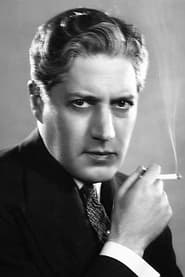
Carlyle Blackwell
Actor
- Born
- January 20, 1884, Syracuse, New York, USA
- Died
- June 17, 1955
- Active
- 1910s-1930s
- Birth name
- Carlyle Moorhead Blackwell
Films 1
About Carlyle Blackwell
Carlyle Blackwell was an American film actor and producer who became one of the recognizable leading men of the silent era. Born in Syracuse, New York, he began acting on stage before moving into motion pictures in the early 1910s, arriving at a moment when film stardom was rapidly taking shape. He worked steadily through the silent period in adventure stories, melodramas, westerns, and crime dramas, often playing polished, energetic, and heroic roles that suited his handsome screen presence. Blackwell also spent part of his career as a producer and later expanded his work beyond the United States, including a notable period in Britain, where he remained active in film production and acting. His career bridged the earliest years of the American film industry and the later international silent-screen market, making him a useful example of how actors adapted to the changing business of cinema. He continued appearing in films into the sound era, although his greatest fame belonged to the silent years when he was a familiar name to moviegoers. Blackwell died in New York City in 1955, leaving behind a long and varied career that connected stage performance, early American filmmaking, and transatlantic silent cinema.
More about Carlyle Blackwell
On screen
Blackwell's acting style was typical of a strong silent-era leading man: clear, physically expressive, and designed to read well in close-up and long shot without relying on dialogue. He projected confidence and polish, often using a direct gaze and controlled gestures to convey authority, charm, or suspense. In action and melodrama he was especially effective as a brisk, dependable hero, while in romantic material he emphasized elegance and emotional clarity. Like many successful actors of the period, he balanced stage-trained discipline with the more restrained screen naturalism that silent film gradually demanded.
In film history
Carlyle Blackwell belongs to the generation of actors who helped define the silent-era leading man before the industry standardized the modern movie star. His work in the 1910s and 1920s contributed to the development of screen masculinity as something that could combine elegance, athleticism, and emotional legibility without spoken dialogue. Because he moved between American and British film production, he also reflects the increasingly international nature of silent-era stardom and the circulation of performers across markets. While not always counted among the most famous immortals of silent cinema, he was a dependable and visible presence whose career illuminates how the early film industry functioned through consistent, marketable star personas.
Later reputation
Blackwell's legacy is that of a solid, versatile, and internationally mobile silent-era star whose career captured several phases of early cinema history. He is remembered today primarily by film historians, archivists, and silent-film enthusiasts rather than by the general public, yet his surviving filmography helps document the rise of the American screen leading man. His long span of activity, including work in both silent and sound periods, makes him an important witness to the industry's transformation. For researchers, he is valuable not only as an individual performer but also as an example of how early stars sustained careers through adaptability, production work, and international collaboration.
Influence
Blackwell influenced the era by embodying the competent, polished silent-film hero who could carry action, romance, and suspense with equal ease. Performers who came after him inherited a model of screen acting that relied on economy of gesture and strong visual presence rather than theatrical exaggeration. His transatlantic career also foreshadowed the later practice of actors moving freely between national film industries. Although his direct influence on later major stars is difficult to trace in specific documented lines, his screen persona helped establish the template of the reliable silent leading man.
Off screen
Carlyle Blackwell kept much of his private life out of the public record compared with the heavily publicized lives of later screen stars. He was married at least twice, and his most documented marriage was to actress and screenwriter Ruth Hartman, with whom he was associated in the film world before later relationships. Because surviving documentation is uneven, details of family life are less complete than his professional record, but he was part of the generation of film personalities whose careers were followed more closely than their private affairs. His long career suggests a performer who adapted readily to changing circumstances in the entertainment business, including relocation and international production work.
Education
He is known to have had stage experience before entering films, but detailed formal educational records are not consistently documented in readily available classic-cinema sources.
Credits
- Became a prominent silent-film leading man in the 1910s, appearing in numerous shorts and feature-length dramas
- Built a reputation in American cinema for playing intelligent, energetic, and romantic lead characters
- Worked as both actor and producer, reflecting the flexible career paths common in early film production
- Expanded his career into British filmmaking during the silent era, demonstrating notable transatlantic success
- Remained active long enough to span the transition from silent pictures to early sound films
Roles
- The heroic romantic lead in silent melodramas and adventure films
- The debonair investigator or gentleman adventurer in early 20th-century serial-style stories
- The upright, resourceful leading man in westerns and crime dramas
Films
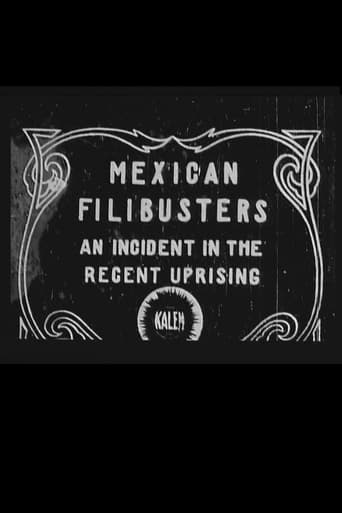
- Mexican Filibusters (1911)
- The White Veil (1917)
- Riders of the Dawn (1918)
- The Forbidden Woman (1927)
- The Case of Lady Camber (1936)
Collaborators
- Ruth Hartman
- Silent-era directors and producers associated with Vitagraph and independent productions
Studios
- Vitagraph
- Independent film companies
- British production companies
Family
- Ruth Hartman (marriage date and end date not confidently verified)
- Other spouse(s) not confidently verified
Notes
- He starred in Mexican Filibusters (1911), one of the early titles associated with his screen career.
- Blackwell was active during the formative years when film actors were just beginning to become widely recognized as stars.
- He worked both in the United States and in Britain, making him part of an early wave of internationally mobile film talent.
- His career included both acting and producing, which was common for ambitious film artists in the silent era.
- He remained active long enough to appear in sound films even after his greatest fame had come in silent cinema.
- He is sometimes overshadowed by later, more widely remembered silent stars, despite being a substantial presence in the period.
- His professional life is a useful case study in how early film careers could evolve across changing technologies and markets.
Questions
Who was Carlyle Blackwell?
Carlyle Blackwell was an American silent-era film actor and producer who became a notable leading man in the 1910s and 1920s. He is best remembered for his work in early melodramas, adventure films, westerns, and other popular genres that helped define classic silent cinema.
What films is Carlyle Blackwell best known for?
He is associated with early titles such as Mexican Filibusters (1911) and later silent-era features including The White Veil (1917), Riders of the Dawn (1918), and The Forbidden Woman (1927). He also appeared in later sound-era work such as The Case of Lady Camber (1936), showing the breadth of his long screen career.
When was Carlyle Blackwell born and when did he die?
He was born on January 20, 1884, in Syracuse, New York, USA. He died on June 17, 1955, in New York City, leaving behind a career that stretched from the earliest years of American filmmaking into the sound era.
What awards did Carlyle Blackwell win?
There are no widely documented major awards, such as Academy Awards, associated with Carlyle Blackwell. Like many silent-era performers, his reputation rests more on his film output and historical significance than on formal award recognition.
What was Carlyle Blackwell's acting style?
Blackwell's style was expressive, polished, and well suited to silent cinema, where physical presence and facial nuance mattered greatly. He typically played resourceful, confident, and romantic leads, using restrained but readable gestures to convey emotion and narrative clarity.
What is Carlyle Blackwell's legacy in film history?
His legacy lies in his role as a reliable and internationally active silent-era star whose career illustrates the development of early screen stardom. He is a valuable figure for film historians because his work spans both the American silent industry and the broader transatlantic film world of the 1910s and 1920s.