Films
1 film
About Arthur Chesney
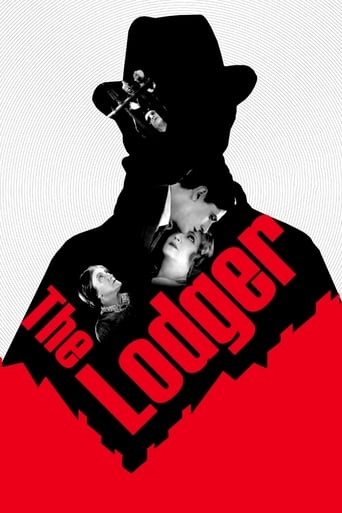
Arthur Chesney is credited on a single production — The Lodger: A Story of the London Fog (1927). Most notably in Alfred Hitchcock's early thriller 'The Lodger: A Story of the London Fog' in 1927. His career appears to have been extremely brief, with this single known film credit representing his entire documented filmography. In 'The Lodger,' Chesney played a supporting role alongside established actors of the period like Ivor Novello and June Tripp. The film itself was Hitchcock's third directorial effort and is now considered a masterpiece of silent cinema, though at the time it was just one of many productions being churned out by the British film industry. Chesney's contribution to the film, while minor, placed him within the orbit of one of cinema's most important emerging directors. His appearance in this landmark film suggests he was part of the active London film scene during the late 1920s, though details about his broader career or theatrical background remain scarce. Like many supporting actors of the silent era, his legacy is tied primarily to his association with this particular film rather than any substantial body of work.
The Craft
On Screen
As a silent film actor, Chesney would have employed the exaggerated physical gestures and facial expressions typical of the era, though his specific performance style cannot be definitively characterized due to the limited documentation of his work.
Milestones
- Appeared in Alfred Hitchcock's 'The Lodger: A Story of the London Fog' (1927)
Best Known For
Iconic Roles
Must-See Films
Working Relationships
Worked Often With
Studios
Why They Matter
Impact on Culture
Arthur Chesney's cultural impact is primarily derived from his participation in what would become recognized as. His inclusion in 'The Lodger' places him within the historical context of Hitchcock's formative years as a director, making him a small but notable part of cinema history. While his individual contribution was minimal, he represents the many supporting actors who helped create the foundation of British cinema during its developmental years.
Lasting Legacy
Arthur Chesney's legacy is that of a footnote in film history - an actor whose single known credit happens to be in a film that would later be recognized as a masterpiece. His story exemplifies how many early film performers, even those who appeared in significant productions, have been largely forgotten by time, existing primarily in cast lists and film archives rather than in public memory.
Who They Inspired
Given his brief documented career, Arthur Chesney's influence on subsequent actors or filmmakers appears to be negligible. His primary influence is historical, serving as an example of the many journeyman actors who populated early British cinema productions.
Off Screen
Very little is documented about Arthur Chesney's personal life, which is not uncommon for minor supporting actors of the silent era who often left behind minimal biographical records.
Did You Know?
- Arthur Chesney's entire known filmography consists of just one film from 1927
- He appeared in Alfred Hitchcock's third film as director
- 'The Lodger' was based on a novel by Marie Belloc Lowndes about Jack the Ripper
- The film was a commercial success and helped establish Hitchcock's reputation
- Chesney was part of the cast during the transition from purely theatrical acting to cinematic performance styles
- Like many silent film actors, his career may have ended with the advent of sound films
- His role, while unremembered today, contributed to what is now considered a masterpiece of suspense cinema
Frequently Asked Questions
Who was Arthur Chesney?
British with credits in this catalog.' His career appears to have been extremely brief, with this single film representing his entire documented filmography.
What films is Arthur Chesney best known for?
Titles linked here include The Lodger: A Story of the London Fog (1927).
When was Arthur Chesney born and when did he die?
Arthur Chesney's birth and death dates are not documented in available film records, which is not uncommon for minor supporting actors from the silent era who left behind minimal biographical information.
What awards did Arthur Chesney win?
Arthur Chesney did not receive any documented awards or nominations during his brief film career, which consisted of a single appearance in 1927.
What was Arthur Chesney's acting style?
As a silent film actor, Chesney would have employed the exaggerated physical gestures and facial expressions typical of the era, though his specific performance style cannot be definitively characterized due to the limited documentation of his work.
Did Arthur Chesney work with other famous directors?
Arthur Chesney's only documented collaboration was with Alfred Hitchcock on 'The Lodger' in 1927. There are no records of him working with other notable directors of the period.
What role did Arthur Chesney play in 'The Lodger'?
While Arthur Chesney appeared in 'The Lodger,' the specific character he portrayed is not well-documented in available film records, though he was part of the supporting cast of this significant early Hitchcock film.