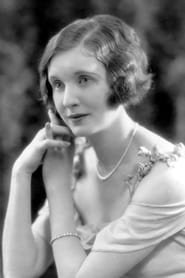
June Tripp
Actor
Born: June 11, 1901 in Blackpool, Lancashire, England Died: January 14, 1985 Active: 1927-1927 Birth Name: June Florence Tripp
Films
1 film
About June Tripp
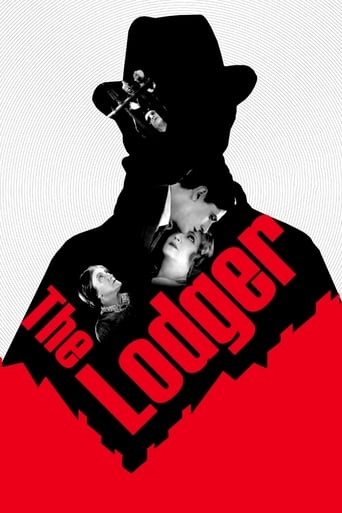
June Florence Tripp — British actress who rose to prominence during the silent film era, achieving her most notable success in Alfred Hitchcock's early masterpiece 'The Lodger: A Story of the London Fog' (1927). Born into a theatrical family, she began her career on the British stage before transitioning to films during the golden age of silent cinema. Her performance as Daisy, the love interest caught between suspicion and romance in Hitchcock's thriller, showcased her ability to convey complex emotions through the subtle techniques required by silent film acting. Despite her captivating screen presence and natural acting style, her film career was remarkably brief, spanning essentially just the year 1927. After her brief stint in films, Tripp returned to her first love of stage performance, where she continued to build a respectable career in British theatre. Her legacy in cinema, while limited in quantity, remains significant due to her contribution to one of Hitchcock's most influential early works. The Lodger is now considered a crucial stepping stone in Hitchcock's development of the suspense thriller genre, making Tripp's performance an important piece of film history.
The Craft
On Screen
Tripp embodied the naturalistic acting style that was emerging in late silent cinema, using subtle facial expressions and body language rather than the exaggerated gestures common in earlier silent films. Her performance in The Lodger demonstrated remarkable restraint and emotional depth, particularly in scenes requiring her to convey fear, suspicion, and romantic interest simultaneously. She had a delicate, ethereal screen presence that made her particularly effective in suspenseful situations, and her ability to connect with the camera helped audiences empathize with her character's dilemma.
Milestones
- Starred in Alfred Hitchcock's breakthrough film 'The Lodger: A Story of the London Fog' (1927)
- Successfully transitioned from stage to film during the silent era
- Returned to successful stage career after brief film tenure
Best Known For
Iconic Roles
Must-See Films
Accolades
Special Recognition
- Recognized as part of Alfred Hitchcock's early film legacy
- Featured in film retrospectives and Hitchcock film studies
Working Relationships
Worked Often With
Studios
Why They Matter
Impact on Culture
June Tripp's contribution to cinema, though brief, is significant due to her role in what many consider Alfred Hitchcock's first true masterpiece. The Lodger established many of the themes and techniques that would define Hitchcock's later career, including the 'wrong man' scenario, suspense through visual storytelling, and the blending of romance with thriller elements. Tripp's performance as the innocent yet perceptive Daisy helped create the template for the Hitchcockian heroine who becomes both victim and investigator. Her natural acting style represented the evolution of silent film performance away from theatrical exaggeration toward more subtle, cinematic expression. The film's success helped solidify Hitchcock's reputation and influenced the development of the suspense thriller genre, with Tripp's performance serving as an early example of effective female characterization in suspense cinema.
Lasting Legacy
June Tripp's legacy is inextricably linked to her single but significant film role in The Lodger, which continues to be studied by film scholars and Hitchcock enthusiasts. While her filmography may be minimal, her performance represents an important moment in the transition from stage-influenced silent film acting to a more naturalistic cinematic style. The Lodger remains a crucial film in understanding Hitchcock's development as a director, and Tripp's contribution to its success ensures her place in film history. Her career serves as an example of how even brief appearances in historically significant films can create an enduring legacy. Modern film retrospectives and Hitchcock festivals continue to screen The Lodger, introducing new generations to Tripp's work and ensuring her contribution to early British cinema is not forgotten.
Who They Inspired
While June Tripp's brief film career limited her direct influence on other performers, her naturalistic acting style in The Lodger represented an approach that would become increasingly important as cinema evolved from silent to sound films. Her performance demonstrated how subtlety and restraint could be more effective than exaggerated gestures in creating emotional impact on screen. This approach would influence subsequent generations of actors, particularly those working in suspense and thriller genres. Her role as the perceptive yet vulnerable heroine in The Lodger helped establish character archetypes that would appear in countless Hitchcock films and other suspense thrillers that followed. The success of her performance showed that actresses could be central to the dramatic tension in thriller narratives, not merely romantic interests or victims.
Off Screen
June Tripp was born into a family with theatrical connections, which influenced her career path from an early age. She married the British actor and playwright Leon M. Lion in 1925, with whom she had one daughter. The marriage ended in divorce, and she later married James B. G. Thomas. Despite her brief film career, she maintained a successful personal life and continued her passion for performance through theatre. She spent her later years away from the public eye, passing away in 1985 at the age of 83.
Education
Educated in England; likely received theatrical training through family connections and early stage experience
Family
- Leon M. Lion (1925-1935)
- James B. G. Thomas (1936-1985)
Did You Know?
- The Lodger was her only major film role, making her one of cinema's most notable one-hit wonders
- She was discovered for films while performing on the London stage
- Her character Daisy was the lodger's girlfriend, caught between love and suspicion
- The Lodger was Alfred Hitchcock's third film but first major success
- She worked opposite Ivor Novello, one of the biggest stars of British silent cinema
- Despite her film success, she chose to return to theatre where she had a longer career
- The Lodger was considered lost for many years before a print was discovered
- Her natural acting style was ahead of its time for silent cinema
- She was part of the transition period when British cinema was establishing its identity
- Her performance in The Lodger has been analyzed in numerous film studies and Hitchcock biographies
In Their Own Words
No documented famous quotes from June Tripp are available, as she gave few interviews during her brief film career
Frequently Asked Questions
Who was June Tripp?
British actress best known for her role as Daisy in Alfred Hitchcock's 1927 silent film 'The Lodger: A Story of the London Fog.' Despite having a brief film career spanning essentially just one year, she made a significant impact through her performance in what is considered Hitchcock's first masterpiece.
What films is June Tripp best known for?
Titles linked here include The Lodger: A Story of the London Fog (1927).
When was June Tripp born and when did she die?
Born June 11, 1901; died January 14, 1985.
What awards did June Tripp win?
June Tripp did not receive any major film awards during her career, as her time in cinema was brief and occurred during the early days of British film when formal award systems were not yet established.
What was June Tripp's acting style?
June Tripp employed a naturalistic acting style that was progressive for silent cinema, using subtle facial expressions and restrained body language rather than the exaggerated gestures typical of earlier silent films. Her performance in The Lodger demonstrated emotional depth and subtlety that helped advance cinematic acting techniques.
Why did June Tripp's film career end so quickly?
After her success in The Lodger, June Tripp chose to return to her first love of theatre, where she had a longer and more sustained career. Her decision to focus on stage performance rather than pursuing more film roles resulted in her film career being essentially limited to 1927.
How is June Tripp remembered in film history?
June Tripp is remembered primarily for her contribution to Alfred Hitchcock's early career through her performance in The Lodger. The film is considered a crucial stepping stone in Hitchcock's development of the thriller genre, making Tripp's role historically significant despite her brief filmography.
Did June Tripp work in sound films?
No, June Tripp's film career was confined to the silent era and ended before the transition to sound films in Britain. She had already returned to theatre by the time sound cinema became dominant.